
Epstein in the mid-2000s – photo by Palm Beach County Sheriff’s Department/Wiki Media.
Published December 7, 2025
In December 2025, a federal judge cleared the way for the release of grand jury transcripts and investigative materials from the mid-2000s probe into Jeffrey Epstein — materials that had remained largely hidden for nearly two decades. These documents relate to investigations by the Palm Beach Police Department (PBPD) and Florida grand juries into Epstein’s alleged sexual abuse of underage girls.
Background of the Investigation
The investigation began around 2005, after a 14-year-old girl and her parents reported sexual assault and solicitation by Epstein. Police reports indicate that approximately a dozen girls told investigators they had been raped or molested at Epstein’s Palm Beach mansion. Searches of the residence reportedly uncovered phone books listing girls’ names, high school schedules, sex toys, and photographs of underage girls.
By 2006, a grand jury had convened to hear testimony from victims and investigators. Records from partial releases suggest that victims were questioned about whether they understood they could face legal consequences for prostitution — a line of questioning widely criticized for its perceived victim-blaming. Despite the testimony and evidence, the grand jury did not issue a full indictment. Instead, Epstein negotiated a plea deal, ultimately pleading guilty in 2008 to state charges of solicitation of prostitution and procuring a minor, avoiding more severe federal prosecution.
The 2025 Legal Shift
The unsealing of these documents followed the passage of the Epstein Files Transparency Act, which mandates the release of all non-classified records, investigative materials, and communications related to Epstein and his associates, including Ghislaine Maxwell. On December 5, 2025, federal Judge Rodney Smith ruled that the Act overrides grand jury secrecy rules, authorizing the release of the Florida grand jury transcripts and modifying prior protective orders.
The newly unsealed materials may include:
-
Testimonies from underage victims, detectives, and PBPD officers.
-
Detailed evidence collected from Epstein’s Palm Beach mansion.
-
Internal prosecutorial discussions and investigative notes explaining why the case was not escalated to full federal charges.

Palm Beach lead detective Joseph Recarey.

Epstein with Sarah Kellen in front of his first plane, early 2000’s.
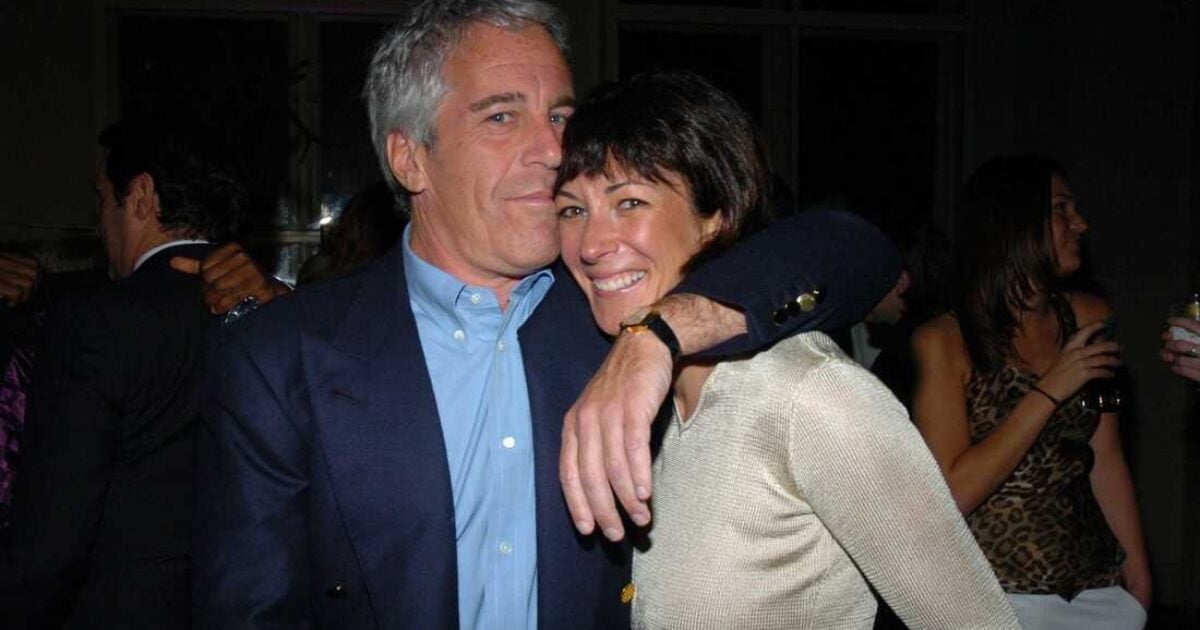
Jeffrey Epstein and his convicted co-conspirator Ghislaine Maxwell. (Photo: Joe Schildhorn/Patrick McMullan via Getty Images)
 Implications
1. For Survivors
-
Validation of Testimony: Victims may finally see their accounts formally recorded and recognized in legal documents.
-
Potential Legal Recourse: Newly revealed evidence or inconsistencies in past proceedings could reopen civil suits or influence ongoing investigations against Epstein’s associates.
-
Psychological Impact: Reading transcripts could be retraumatizing, but may also provide closure or a sense that their experiences are being taken seriously.
2. For the Justice System
-
Transparency in High-Profile Cases: The release challenges decades of secrecy and may set a precedent for unsealing grand jury materials in other cases involving influential figures.
-
Accountability Questions: The transcripts may reveal prosecutorial decisions, potential suppression of evidence, or failures in handling the case, sparking scrutiny of how justice was administered.
-
Policy Reform: Could influence reforms in grand jury procedures, especially concerning victim protection and how evidence is handled in sexual abuse cases.
3. For Public Awareness
-
Revealing Systemic Failures: May confirm suspicions that power and privilege interfered with justice, highlighting gaps in legal protections for minors and victims.
-
Impact on Institutions: Organizations or individuals linked to Epstein may face reputational consequences if implicated in enabling or ignoring the abuse.
-
Cultural Reflection: Prompts society to examine how wealth, influence, and legal opacity can protect perpetrators and silence victims.
 Overall Takeaway : Justice Must Be Transparent and Equal
The unsealing of Jeffrey Epstein’s mid-2000s grand jury transcripts is more than a look into one man’s crimes — it is a test of the integrity of the justice system itself. For too long, secrecy, influence, and privilege shielded powerful individuals from accountability, leaving victims sidelined.
This moment underscores the importance of law enforcement acting without fear or favor, and the need for legal transparency to ensure that no one — regardless of wealth or connections — is above the law. As these documents come to light, the public will see how critical it is to uphold justice consistently, protect victims, and maintain confidence in institutions meant to serve all citizens equally.
In exposing failures of the past, the unsealed transcripts may not only give survivors a voice, but also send a clear message: power and privilege cannot dictate the course of justice in America.
SOURCES: THE GATEWAY PUNDIT – Unsealed Transcripts May Unveil the Mid-2000s Palm Beach Police Investigation and Grand Jury Proceedings Into Jeffrey Epstein’s Sex Crimes and Underage Victims
REUTERS – US judge clears Justice Department to release Epstein grand jury transcripts
AP NEWS – Grand jury transcripts from abandoned Epstein investigation in Florida can be released, judge rules