Published January 25, 2025
A Trump‑appointed federal judge has issued a rare judicial rebuke to the Department of Homeland Security (DHS), temporarily barring the agency and related federal defendants from altering, destroying, or concealing evidence tied to a controversial fatal shooting in Minneapolis, Minnesota.
Late on Saturday night, January 24, 2026, U.S. District Judge Eric C. Tostrud, a Trump nominee confirmed to the U.S. District Court for the District of Minnesota in 2018, granted a temporary restraining order (TRO) in response to an emergency filing by the Minnesota Bureau of Criminal Apprehension (BCA) and the Hennepin County Attorney’s Office.
What the Order Says
The court’s order specifically enjoins:
-
DHS and its components (including Immigration and Customs Enforcement and Customs and Border Protection),
-
Their employees, agents, and all individuals acting on their behalf,
from destroying or altering evidence related to the fatal shooting involving federal officers that occurred on or near 26th Street and Nicollet Avenue in Minneapolis.
This includes any evidence federal personnel removed from the scene or that is currently in their exclusive custody — effectively locking down all relevant materials until further judicial direction.
Background: Federal Shooting and Legal Action
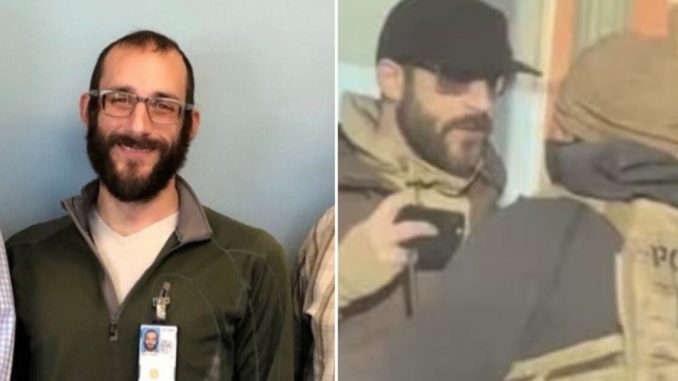
The restraining order stems from the Jan. 24 shooting death of 37‑year‑old Alex Pretti, an ICU nurse at a Veterans Affairs hospital, who was fatally shot by a Border Patrol agent during a federal immigration enforcement operation.
Minnesota officials argue they were blocked from accessing the crime scene, even after presenting a search warrant, and that federal personnel left hours later — potentially allowing evidence to be lost or contaminated. State authorities have also cited an earlier January shooting of another civilian by an ICE agent as part of a broader pattern of inadequate federal cooperation.
In court filings, the BCA and Hennepin County Attorney’s Office asserted that the federal government’s actions violated Minnesota’s sovereign right to conduct a criminal investigation and risked permanent loss or manipulation of critical evidence.
Federal Response and Next Steps
The TRO remains in place until a hearing scheduled for Monday, where federal lawyers will have an opportunity to respond and the judge will consider whether to extend the order.
DHS has denied any intent to destroy evidence, characterizing such claims as “ridiculous attempts to divide the American people,” and insists it is actively investigating the incident as is standard for officer‑involved shootings.

The DHS claimed that Pretti “violently resisted” arrest at the protest.

The judge barred evidence in the Alex Jeffrey Pretti case from being destroyed.

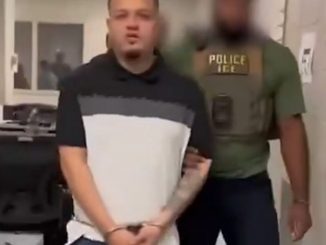
Footage of Pretti being tackled by federal agents before the shooting.

A federal agents seen drawing his gun before shooting Pretti.
 Implications of the DHS Restraining Order
1. Federal-State Tensions Over Law Enforcement
The TRO highlights ongoing friction between federal agencies and state authorities.
-
Minnesota officials argue that state investigators were blocked from accessing critical evidence.
-
The federal government has often asserted exclusive jurisdiction in immigration enforcement, but this ruling forces them to cooperate with state investigations.
-
Implication: Sets a potential precedent that states can challenge federal agencies in court when evidence access is denied, even if the agency is federally protected.
2. Accountability of Federal Officers
The order prevents DHS from altering or destroying evidence, ensuring investigations remain intact.
-
This sends a message that federal officers are not above oversight, even in high-profile or politically sensitive operations.
-
Implication: Could increase federal compliance with evidence preservation protocols, particularly in officer-involved shootings.
3. Judicial Independence and Bipartisanship
The ruling comes from a Trump-appointed judge, restraining an agency under the current administration.
-
This illustrates the judiciary’s independence and reinforces that federal appointees are not automatically aligned with executive priorities.
-
Implication: Judicial checks can apply regardless of political alignment, which may encourage more lawsuits against federal agencies without fear of partisan bias.
4. Potential Legal Precedent
Courts rarely issue TROs against federal agencies in these contexts.
-
This could serve as a model for future cases where state or local authorities claim federal obstruction in criminal investigations.
-
Implication: Could reshape how federal agencies handle collaboration with states during investigations involving use of force or deaths.
5. Public Perception and Trust
The public may view the ruling as a win for transparency and accountability.
-
It may reinforce trust in state authorities and the justice system’s ability to intervene in federal overreach.
-
Implication: Could pressure DHS and other federal agencies to document operations more carefully, avoiding public skepticism.
6. Impact on Intergovernmental Cooperation
The ruling could force better coordination between federal and state law enforcement.
-
Agencies may adopt stricter internal compliance measures to avoid court intervention.
-
Implication: Could improve evidence-sharing practices nationwide but may also slow rapid-response operations due to bureaucratic caution.
 Overall Takeaway:
The Trump-appointed judge’s restraining order against DHS marks a significant moment in the balance of power between federal and state authorities. By prohibiting the destruction or alteration of evidence, the court ensures that investigations into the fatal Minneapolis shooting proceed with transparency and accountability.
Beyond this specific case, the ruling sends a broader message: no government agency is above the law, and the judiciary can act independently to protect the integrity of evidence and public trust. The decision could set a precedent for future oversight of federal operations, strengthen intergovernmental cooperation, and reinforce the principle that justice must remain impartial and thorough, regardless of political affiliations.
Ultimately, this case underscores the vital role of the courts in safeguarding transparency, accountability, and the rule of law in matters of public safety and law enforcement.
SOURCES: THE GATEWAY PUNDIT – Trump-Appointed Judge Slaps DHS With Restraining Order — Bars Agency From “Altering or Destroying” Evidence
MS NOW – Trump-appointed judge blocks Trump admin. from destroying evidence in Pretti shooting
THE NEW YORK POST – Trump-appointee judge orders DHS to preserve evidence in Alex Pretti shooting after suit by Minnesota