Published March 13, 2025
In the midst of intensifying conflict between the United States, Israel, and Iran, demand for hardened underground shelters in America has reportedly surged — so much so that even members of President Donald Trump’s Cabinet are said to be ordering doomsday bunkers for themselves.
A Surge in Bunker Demand
Ron Hubbard, owner of Texas‑based Atlas Survival Shelters, told The Telegraph that his business has been “inundated with calls” since the war with Iran began at the end of February. The company, which builds everything from basic underground shelters to multimillion‑dollar fortified compounds, has seen inquiries increase tenfold compared with normal levels.
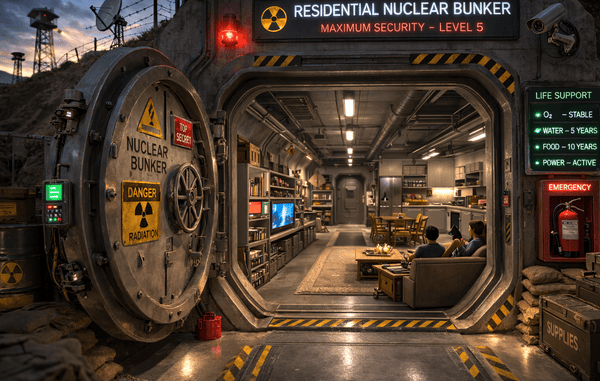
Hubbard’s firm constructs hundreds of shelters annually in Sulphur Springs, Texas. Prices range from around $20,000 for simple bunkers to millions of dollars for custom installations, often including amenities like air filtration systems, recreation rooms, armories, and luxury fixtures.
Cabinet Members Among Clients?
According to Hubbard’s comments reported by The Telegraph, two senior members of the Trump Cabinet have placed orders for survival bunkers, and one was reportedly texting the builder asking “When will mine be ready?”
At least one fact‑checking outlet has noted the claim cannot yet be independently verified beyond the bunker maker’s statement, but it has nonetheless spread rapidly across social media and alternative news channels.

Ron Hubbard, owner of Atlas Survival Shelters, at the entrance to one of his deluxe bomb shelters Credit: Mike Nelson/EPA
Context: War and Fear of Escalation
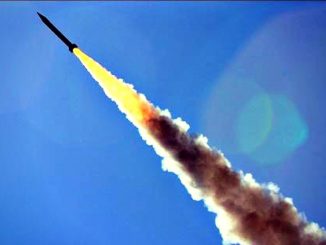
The spike in bunker interest comes against the backdrop of an expanding war. The United States and Israel have launched sustained air strikes against Iranian targets, prompting Iranian retaliatory strikes and heightening fears of a broader regional conflict that could potentially draw in other powers or escalate further.
Public anxiety isn’t limited to the political elite. Ordinary Americans are reportedly calling shelter builders in greater numbers, concerned about nuclear fallout, drone strikes, strategic missile attacks, and even electromagnetic pulse (EMP) threats.
The “Bunker Boom” Beyond Politics
This trend is not unique to government officials. Atlas Survival Shelters’ owner described his recent clientele as including mostly “Christian, conservative CEOs” and even some high‑profile tech figures in past years — though specific names were not confirmed.
Media and industry commentators note that these purchases reflect broader social fears — a combination of geopolitical uncertainty, mistrust in public infrastructure, and the notion that wealth and preparedness can shield some from catastrophe while leaving others exposed. Online discussions have been rife with speculation, satire, and criticism about who gets ready and who is left behind.
What These Bunkers Really Offer
Experts caution that the practical effectiveness of doomsday bunkers varies widely. While a well‑built shelter can offer protection from fallout, blast pressure, and radiation for a limited period, it is not a guaranteed survival solution in a full‑scale nuclear exchange scenario and does not address the severe societal impacts that follow.
That said, many Americans view such shelters as valuable peace‑of‑mind investments — a kind of hedge against extreme scenarios that seem, to them, increasingly plausible in an age of resurging great‑power tensions.
 Implications of the Bunker Boom:
1. Heightened Focus on Personal Preparedness
The surge in private bunker orders signals a growing emphasis on self-reliance. Many Americans are choosing to hedge against geopolitical uncertainty, nuclear threats, and societal disruption. This trend reflects a mindset that preparing in advance is both practical and necessary, especially in scenarios where government responses may be delayed or insufficient.
2. Trust in Infrastructure vs. Individual Action
Rising bunker demand highlights a skepticism about national or local infrastructure. People are questioning whether emergency services, civil defense, or public shelters can handle large-scale crises. This underscores a belief that personal initiative is key to survival in extreme events, from military conflicts to natural disasters.
3. Economic Signaling
The willingness of individuals and business leaders to invest in multimillion-dollar underground shelters indicates that wealth and foresight can provide a distinct safety advantage. While not everyone can afford such measures, the trend communicates a social signal about prioritizing long-term security and resilience.
4. Cultural and Psychological Effects
Bunker construction and private preparedness reflect a pragmatic worldview: society cannot fully predict external threats, so taking measurable steps to protect one’s family and resources is rational. This can influence community norms, encouraging personal responsibility, planning, and resilience thinking in broader circles.
5. Political and Strategic Awareness
Even without naming political affiliations, the fact that high-level officials are reportedly investing in these shelters reinforces the perception that national security threats are real and immediate. This may shape public debate about defense readiness, foreign policy priorities, and national risk assessments, emphasizing the value of vigilance and foresight.
 Overall Takeaway:
The recent surge in private bunker construction highlights a deeper awareness among Americans: the world is unpredictable, and relying solely on external institutions may leave individuals vulnerable. Taking proactive steps to secure one’s family, assets, and future is not just a precaution—it is a practical strategy in uncertain times. Whether driven by geopolitical tensions, natural disasters, or societal instability, the trend reflects a commitment to self-reliance, foresight, and preparedness. In a world where threats can emerge suddenly, those who plan ahead are better positioned to protect what matters most, ensuring both safety and peace of mind for themselves and their loved ones.
SOURCES: ZEROHEDGE – TRUMP CABINET MEMBERS BUYING NUCLEAR BUNKERS? ARE YOU PREPARED?
THE TELEGRAPH – ‘World War Three’ bunker manufacturer: ‘I’m inundated with calls’
THE LATIN TIMES – Senior Trump Cabinet Member Building a Bunker Amid Iran War, Constructor Says: ‘When Will Mine Be Ready?’
SNOPES – Rumor has it 2 Trump Cabinet members commissioned nuclear bunkers. Here’s what we know
REDDIT – Trump Cabinet Members and Billionaires Rush to Buy Nuclear Bunkers Following U.S. Conflict with Iran