Reported by:

Cherry Meigh Timbol
News Content Editor
Published September 20, 2026
An AI-assisted intelligence assessment wrongly identified a Chinese vessel’s cargo as components linked to a nuclear weapons program, sending U.S. military assets into action before officials discovered the information was false.
A startling intelligence failure in 2026 has highlighted the potentially dangerous consequences of using artificial intelligence in military decision-making.
According to a September 18 CNN report cited by multiple outlets, the U.S. military came close to intercepting and boarding a Chinese vessel in the Middle East after an intelligence report incorrectly claimed the ship was carrying components associated with a nuclear weapons program.
The incident reportedly occurred during the war with Iran this spring, when tensions and military activity in the region were already elevated.
How the AI Error Happened
The intelligence reportedly originated with U.S. Special Operations Command Pacific in Hawaii. An analyst examining information concerning the Chinese vessel’s manifest used an AI chatbot to analyze the material.
According to CNN’s reporting, the system combined publicly available information with classified signals intelligence and reached an incorrect conclusion about what the vessel was carrying. The analyst subsequently used AI again to help turn the findings into a conventional intelligence report.
The report was then circulated through military channels, where it reportedly triggered preparations for an operation against the vessel.
CNN said it could not determine what the cargo actually was.
Military Operation Was Already Underway
The consequences were not merely theoretical.
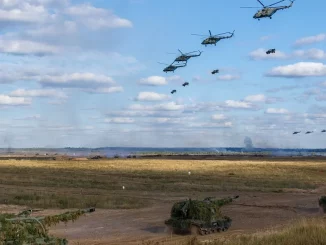
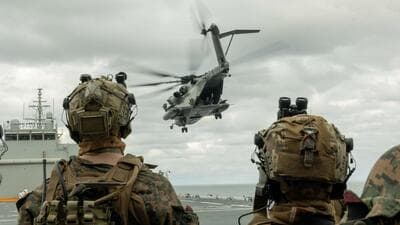
Four sources familiar with the episode told CNN that the U.S. military prepared to intercept the Chinese vessel. Two sources said armed U.S. personnel were preparing to board the ship, while other sources said military aircraft were already airborne.
The operation was halted after officials examined the intelligence more closely and discovered that an AI chatbot had incorrectly identified the material aboard the vessel.
One source described the intelligence as “entirely false” and said the episode “almost started a war,” according to CNN.
That characterization reflects the potential consequences of an armed U.S. operation against a Chinese vessel, rather than evidence that a wider war was actually imminent.
Why the Incident Matters
The episode illustrates a fundamental problem with AI-generated intelligence: a system can produce an answer that appears authoritative while being wrong.
AI “hallucination” occurs when an AI system generates information that is inaccurate but presents it in a convincing form. In this case, the concern was amplified because the erroneous conclusion reportedly moved into a formal intelligence product.
Ars Technica reported that the AI-generated assessment was incorporated into an intelligence report that appeared sufficiently conventional to circulate through military channels.
The incident therefore raises questions not only about the reliability of AI systems but also about human verification, accountability and the procedures used before intelligence can influence military action.
The Pentagon’s Growing Reliance on AI
The episode comes as the U.S. military is rapidly expanding its use of artificial intelligence.
CNN reported that AI is increasingly being explored for tasks ranging from analyzing large volumes of intelligence to targeting, logistics, budgeting and supply-chain management.
Supporters of military AI argue that automated systems can process enormous quantities of information far faster than humans. But the Chinese-vessel incident demonstrates the corresponding risk: speed can become dangerous if an incorrect conclusion moves through the decision-making process faster than humans can verify it.
The distinction is particularly important when intelligence could result in the use of force.
U.S.-China Tensions Add Another Layer
Any military confrontation involving a Chinese vessel carries consequences beyond the immediate incident.
The United States and China are major military powers, and an American attempt to forcibly stop or board a Chinese vessel could potentially have produced a diplomatic or military crisis.
That is why the reported discovery of the intelligence error before the operation proceeded was significant.
There is no evidence in the reporting that the United States and China actually entered a military confrontation over the vessel. Rather, the episode represents a near-miss caused by erroneous intelligence.
🧩 Bottom Line:
The reported episode was not a case where AI actually started a war between the United States and China. It was a serious intelligence near-miss in which an AI-assisted analysis reportedly produced a false assessment about a Chinese vessel’s cargo, contributing to preparations for a military interception.
The incident underscores a broader challenge facing modern militaries: AI can accelerate intelligence analysis, but it can also accelerate mistakes. When those mistakes involve potential nuclear activity and military force, verification can become as important as speed.
SOURCES: ZEROHEDGE – WW3 Near-Miss? AI Hallucinated Nuclear Weapons Components Aboard Chinese Vessel Bound For Iran
CNN – Exclusive: US military had close call after using AI for false intelligence report, sources say
MASHABLE – AI generated a fake intelligence report that ‘almost started a war’
THE TIMES OF INDIA – Almost started a war’: How an AI error led to a close call between US and China