
OPEC logo is seen in this illustration taken June 25, 2026. REUTERS/Dado Ruvic/Illustration
Published July 6, 2026
LONDON — Global oil prices declined Monday after OPEC+ agreed to increase crude oil production targets once again, reinforcing expectations that additional supply will enter the market even as questions remain about global demand and the pace of recovery in international energy trade.
The producer alliance approved an increase of 188,000 barrels per day (bpd) beginning in August, marking the fifth consecutive monthly production increase as the group gradually unwinds supply cuts introduced in previous years.
Brent crude slipped to around $71.90 per barrel, while U.S. West Texas Intermediate (WTI) fell to roughly $68.50, reflecting investor expectations that greater supply could outweigh near-term demand growth.
A Shift Toward Higher Supply
The latest decision signals OPEC+’s confidence that global oil markets can absorb additional production despite lingering geopolitical uncertainties.
Since April, the alliance has steadily raised output quotas, seeking to restore barrels previously withheld under coordinated production cuts. The August increase follows similar quota adjustments in recent months, bringing the cumulative planned increase to nearly 800,000 barrels per day.
However, analysts caution that actual production has not always matched official quotas because some producers continue recovering from disruptions caused by recent regional conflicts.
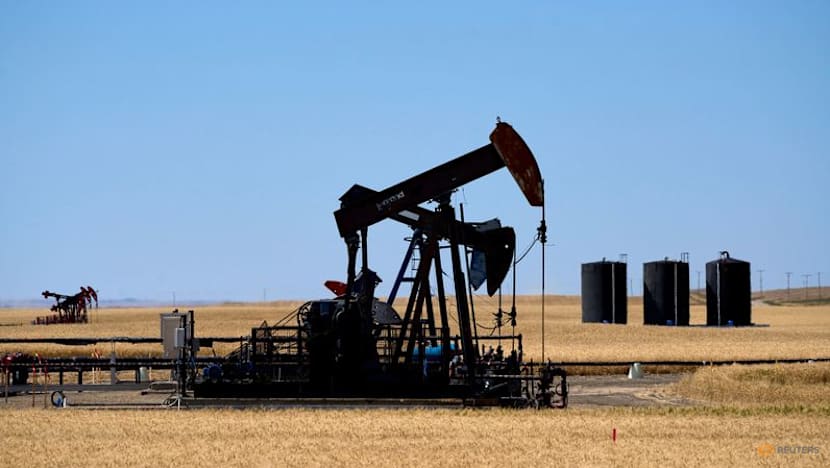
Hormuz Recovery Changes Market Sentiment
A key factor behind declining oil prices has been the gradual recovery of exports through the Strait of Hormuz, one of the world’s most important energy shipping routes.
During the recent conflict involving Iran, tanker traffic through the strait dropped sharply, raising fears of supply shortages and sending prices higher. Since a ceasefire was reached, exports from Gulf producers have begun recovering, easing immediate concerns over global supply.
Although shipping volumes remain below pre-conflict levels, improving export flows have helped stabilize international energy markets.
Demand Questions Remain
While additional oil is expected to reach global markets, uncertainty persists over whether demand will grow quickly enough to absorb it.
China—the world’s largest crude oil importer—reduced purchases significantly during the recent regional conflict. Analysts believe independent Chinese refiners may gradually increase imports if lower prices continue, although broader demand recovery remains uncertain.
Market participants are also monitoring slowing economic growth in several regions, which could reduce industrial fuel consumption during the second half of the year.
Impact on Consumers
Lower crude prices could eventually translate into lower fuel costs for consumers and businesses if the decline continues.
Cheaper oil generally reduces transportation and manufacturing costs while easing inflationary pressure across multiple sectors of the global economy. However, energy analysts note that retail fuel prices often adjust more slowly than wholesale crude markets.
Balancing the Market
Despite the latest production increase, OPEC+ continues to describe its strategy as flexible.
Officials have indicated they will continue monitoring supply, demand, geopolitical developments, and global economic conditions before deciding on future production targets.
Analysts say the group’s challenge is balancing two competing goals: maintaining stable oil prices while preventing excessive supply that could trigger a sharper market decline.
Looking Ahead
Energy traders are expected to closely watch shipping activity through the Strait of Hormuz, Chinese import demand, U.S. inventory data, and future OPEC+ meetings for signs of where prices may head next.
For now, markets appear cautiously optimistic that improving supply conditions will help stabilize global energy markets, even as uncertainty over long-term demand and geopolitical risks remains.
SOURCES: REUTERS – Oil falls after OPEC+ agrees to raise output targets
REUTERS – OPEC+ approves further oil output increase as Hormuz exports start to recover
REUTERS – OPEC+ to boost crude output, but can it deliver and who will buy?


