
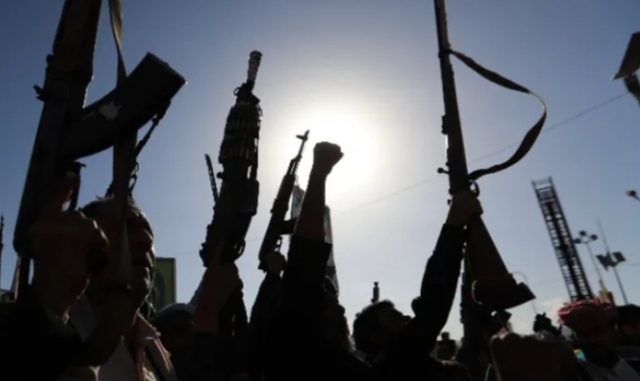
Iran-backed Houthis vowed to continue attacking airports and oil infrastructure in Saudi Arabia on Wednesday in defiance of President Donald Trump’s warnings. Reinforcing the threat, which has stirred worries of a widening Gulf war, the militants launched one of their most consequential attacks on the headquarters of Saudi oil giant Aramco
Reported by:

Cherry Meigh Timbol
News Content Editor
Published October 15, 2026
Houthis Expand Threats Against Saudi Targets
Yemen’s Houthi movement has threatened further attacks against Saudi Arabia’s airports, oil facilities and other strategic infrastructure as hostilities intensify across the region. The escalation comes despite warnings from U.S. President Donald Trump, who has condemned the group’s renewed attacks and raised the possibility of additional American military involvement.
According to Reuters reporting published October 14, the Houthis pledged to intensify strikes on Saudi airports and oil infrastructure following an attack on the headquarters of Saudi oil giant Saudi Aramco in Dhahran.
The latest developments represent a significant escalation in the conflict involving the Houthis, Saudi Arabia and the broader regional confrontation linked to Iran.
Saudi Arabia Faces Missile and Drone Attacks
The Houthis have launched repeated missile and drone attacks against Saudi territory, targeting strategically important facilities and raising concerns about the kingdom’s air defenses.
One of the most serious incidents involved an attack on King Khalid International Airport, where recent strikes caused deaths, injuries and major disruption to airport operations. Reports from CBS News and the Associated Press said the attacks killed civilians and prompted flight suspensions.
The Houthis have also threatened Saudi oil infrastructure, including facilities operated by Aramco. Such sites are central to the kingdom’s energy exports and economic activity, making them particularly sensitive targets during a period of regional instability.
Saudi authorities and regional forces have responded with missile interceptions and strikes against Houthi-controlled areas of Yemen. The exchange has increased the risk of additional attacks on both sides.
Trump Warns Houthis as U.S. Response Remains Uncertain
Trump has publicly criticized the Houthis over their attacks on Saudi Arabia, accusing the group of acting with Iranian influence and attempting to push oil prices higher ahead of the U.S. midterm elections.
Reuters reported on October 13 that Trump had not publicly committed to joining Saudi Arabia in direct military action against the Houthis. He also indicated that he had spoken with Saudi Crown Prince Mohammed bin Salman about the situation.
The Houthis, meanwhile, have warned that American intervention would trigger retaliation against U.S. forces and interests in the region.
The competing threats leave Washington facing a difficult decision: provide greater military support to Saudi Arabia or avoid opening another front in an already volatile regional conflict.
Any direct U.S. intervention could expand the confrontation beyond Yemen and Saudi Arabia, potentially placing American personnel and regional partners at greater risk.
Iran’s Role Adds to Regional Tensions
The Houthis are an armed political and military movement that emerged in Yemen and now control significant territory, including the capital, Sanaa. The group has received Iranian support, although the extent of Tehran’s operational control over individual Houthi decisions remains a separate question.
The current escalation is unfolding amid wider tensions involving Iran, the United States and regional governments. This broader confrontation has increased concerns that attacks initially directed at specific military or economic targets could develop into a more extensive regional conflict.
Saudi Arabia has long viewed Houthi missile and drone capabilities as a security threat, particularly because of the potential to strike population centers, airports and energy infrastructure.
The conflict also carries implications for maritime security. Houthi threats and attacks affecting the Red Sea and the strategically important Bab al-Mandab Strait could disrupt commercial shipping and increase costs for international trade.
Economic and Security Implications
Continued attacks on Saudi infrastructure could affect aviation, oil production, investor confidence and international business operations.
Saudi Arabia’s economic diversification program depends partly on maintaining a stable environment for investment, tourism and major international events. Repeated security incidents could complicate those objectives.
Energy markets are also vulnerable to uncertainty. Even without a confirmed, sustained interruption to oil production, the threat of attacks on major facilities can influence market expectations, insurance costs and shipping decisions.
For neighboring countries and international trading partners, the central concern is whether the conflict will remain geographically contained or begin affecting additional energy routes and commercial facilities.
What Happens Next?
The immediate outlook depends on whether the Houthis carry out their latest threats, how Saudi Arabia responds and whether the United States decides to expand its military role.
Further strikes against airports or oil facilities could prompt additional Saudi-led operations in Yemen. Direct U.S. participation could raise the stakes further, especially if the Houthis follow through on threats against American interests.
Diplomatic engagement remains a possible route toward de-escalation, but continued attacks and retaliatory operations could make negotiations more difficult.
As of October 15, the situation remains fluid, and the scale of any further attacks or American military response has not been definitively established in the cited reporting.




