Reported by:

Cherry Meigh Timbol
News Content Editor
Published November 26, 2026
A Kurdish leader has expressed optimism that a diplomatic agreement between the United States and Iran could deliver significant economic benefits globally, describing a potential resolution to the conflict as a possible “game changer” for the international economy.
The leader also voiced continued confidence in U.S. President Donald Trump’s ability to negotiate an agreement, saying, “I still believe President Trump can make this deal.”
The remarks highlight growing attention to the economic consequences of tensions between Washington and Tehran, particularly the potential impact on energy markets, international trade, and regional stability.
Qubad Talabani Outline ofs Economic Opportunities
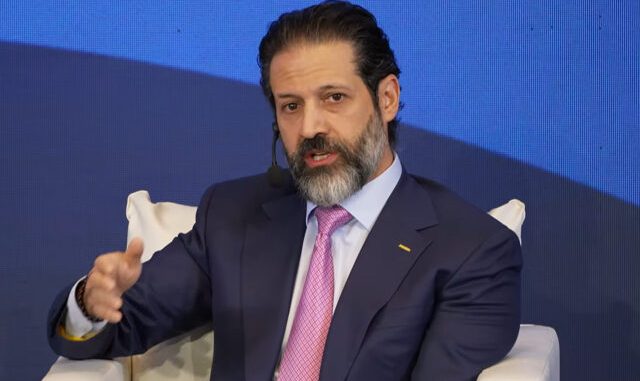
The Kurdish official was identified as Qubad Talabani, Deputy Prime Minister of the Kurdistan Regional Government (KRG) in Iraq. He made the remarks during the Slemani Strategic Forum in Sulaymaniyah, where discussions included regional security, diplomatic relations, and economic cooperation.
Talabani argued that a potential agreement between Washington and Tehran should extend beyond military and security concerns. In his view, economic cooperation could provide incentives for both countries to reach a lasting settlement.
He suggested that an agreement could create opportunities in several sectors, including:
• Energy: Greater international investment in Iran’s oil and natural gas industries.
• Trade: Expanded commercial relations between Iran, the United States, and other international markets.
• Infrastructure: Potential investment in projects supporting economic development.
• Minerals: Opportunities to develop Iran’s mineral and rare-earth resources.
Talabani maintained that both countries could benefit from a diplomatic arrangement that addresses their respective interests.
Strait of Hormuz and Global Economic Implications
Another important consideration is the Strait of Hormuz, a strategic waterway connecting the Persian Gulf with international shipping routes.
The passage is particularly important to global energy markets because significant volumes of petroleum and liquefied natural gas move through it.
Disruptions to shipping in the region can affect energy prices, transportation costs, and international supply chains.
Talabani’s comments reflected concerns that prolonged hostilities could continue to affect economies far beyond the Middle East. He argued that restoring stability and normal commercial activity would benefit countries dependent on regional trade and energy supplies.
Diplomacy Remains Uncertain
Despite his optimism, Talabani acknowledged that an agreement had not yet been secured.
A successful settlement would require negotiations addressing the concerns of both governments. Disagreements over Iran’s nuclear program, security arrangements, sanctions, and regional influence remain significant challenges.
The Kurdish official’s remarks represent his assessment of the diplomatic and economic opportunities available through negotiations, rather than confirmation that Washington and Tehran have reached an understanding.
His position also reflects the Kurdistan Region’s interest in preventing further regional instability. Located in northern Iraq and sharing a border with Iran, the autonomous region has considerable economic and security interests tied to developments between the two countries.
A Potential Opportunity for the Global Economy
Talabani’s proposal highlights the possibility that a diplomatic settlement could produce benefits extending beyond the immediate objective of ending hostilities.
If negotiations eventually lead to sanctions relief, expanded trade, and renewed international investment, Iran could potentially become more integrated into the global economy. American businesses could also gain access to commercial opportunities in previously restricted sectors.
However, the scale of any economic benefits would depend on the terms of an agreement, the implementation of sanctions changes, security guarantees, and the willingness of international companies to invest.
For now, Talabani remains hopeful that President Trump can secure an agreement with Tehran, arguing that diplomacy and economic cooperation could offer a more sustainable path forward than continued conflict.