Published July 10, 2026
A controversial statement by several Chinese scholars claiming that Batanes is part of China has sparked concern in the Philippines, prompting an immediate rejection from government officials and renewed discussions about national sovereignty and regional security. While the remarks were made during an academic symposium and do not represent an official position of the Chinese government, Philippine authorities warned that such narratives should not be taken lightly because of Batanes’ strategic importance.
The issue gained international attention after scholars at a symposium in China argued that Batanes is geographically connected to Taiwan and should therefore be considered part of China, since Beijing regards Taiwan as one of its provinces. The Philippine government responded by reaffirming that Batanes is an integral and internationally recognized part of the Republic of the Philippines.
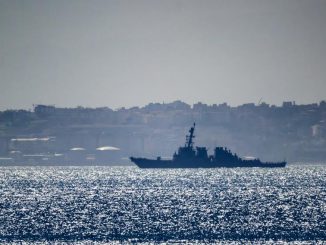
 A flurry of Chinese Coast Guard patrols east of Taiwan started last month after Philippine President Marcos Jr. and Japanese Prime Minister Sanae Takaichi announced both countries start negotiations to delimit maritime boundaries in accordance with UNCLOS. (illustration: Sealight FB)
Chinese Scholars Advance Controversial Argument
The controversy began during a symposium held in late June, where several Chinese academics presented arguments based on geography and historical interpretation.
According to the scholars, Batanes forms part of the same island chain as Taiwan and should therefore be associated with China through Beijing’s long-standing claim over Taiwan. Their statements quickly circulated in local and international media, drawing criticism from Philippine officials and defense experts.
Although the remarks originated from academics rather than government officials, analysts noted that similar historical and geographical narratives have previously appeared in discussions surrounding territorial disputes in the region.
Philippine Government Rejects the Remarks
Philippine officials swiftly dismissed the scholars’ assertions, emphasizing that Batanes has always been a sovereign province of the Philippines.
Defense Secretary Gilberto Teodoro Jr. described the claims as “baseless,” “ludicrous,” and “nonsense,” stressing that no academic opinion can alter internationally recognized borders. Government officials likewise reiterated that there is no official territorial dispute involving Batanes, and that the province remains fully under Philippine jurisdiction.
Authorities also emphasized that the Philippine Area of Responsibility (PAR)—often mentioned in discussions about Batanes—is solely a weather-monitoring region designated by PAGASA and has no bearing on territorial ownership or sovereignty.
Why Batanes Matters
Although Batanes is the Philippines’ smallest province by population, its location makes it one of the country’s most strategically significant territories.
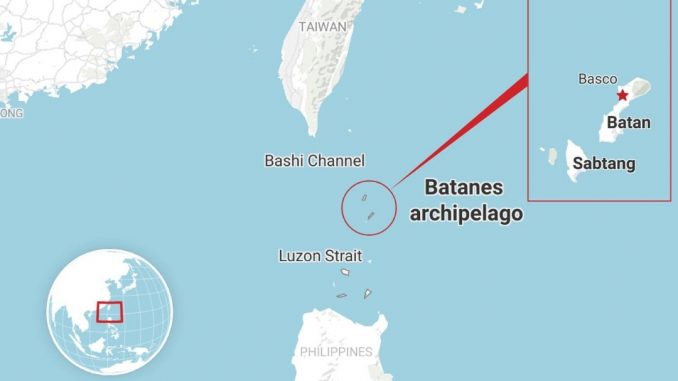
Situated between northern Luzon and Taiwan, Batanes overlooks the Luzon Strait and the Bashi Channel, key maritime routes connecting the South China Sea with the Pacific Ocean. These waterways are considered strategically important for international shipping and military operations, particularly amid growing tensions involving China, Taiwan, and other Indo-Pacific nations.
Security analysts believe that Batanes will continue to play an increasingly important role in regional defense planning. While the scholars’ statements have no legal effect on Philippine sovereignty, the controversy has highlighted the province’s geopolitical significance and reinforced the Philippines’ commitment to defending its territorial integrity through diplomacy, international law, and credible national defense.
 Public / Political Reactions:
🏛️ Philippine Government
The Philippine government immediately rejected the remarks made by the Chinese scholars, emphasizing that Batanes is an integral part of the Republic of the Philippines and that there is no legal or historical basis for any foreign claim over the province.
- Defense Secretary Gilberto Teodoro Jr. described the scholars’ assertions as “baseless,” “ludicrous,” and “nonsense,” warning that such narratives should not be ignored because they could be used to justify future territorial ambitions.
- The Department of National Defense reaffirmed that the Armed Forces of the Philippines (AFP) will continue to protect the country’s territorial integrity and sovereignty.
- Government officials stressed that the Philippines’ sovereignty over Batanes is internationally recognized and is not under dispute.
➡️ Position: The Philippine government firmly rejects the scholars’ claims and maintains that Batanes is unquestionably Philippine territory.
🇨🇳 Chinese Scholars and Academic Community
The controversy originated from comments made during a symposium by several Chinese academics who argued that Batanes is geographically connected to Taiwan and, because Beijing considers Taiwan part of China, Batanes should also belong to China.
- The scholars cited geographical proximity and historical interpretations to support their argument.
- Their statements have not been adopted as official policy by the Chinese government.
- The symposium has nevertheless drawn international attention because academic narratives have previously preceded broader geopolitical discussions involving territorial issues.
➡️ Position: The scholars promote a controversial academic argument, but it does not currently represent an official territorial claim by Beijing.
🇨🇳 Chinese Government
As of this writing, the Chinese government has not officially declared Batanes as Chinese territory.
Beijing has not issued a formal diplomatic statement asserting sovereignty over Batanes.
- Chinese officials have remained focused on their longstanding position regarding Taiwan and disputes in the South China Sea.
- Analysts caution that although the remarks came from academics, they are being closely monitored because similar narratives have preceded diplomatic disputes in the past.
➡️ Position: No official Chinese territorial claim over Batanes has been announced.
👥 Public Reaction in the Philippines
The news quickly spread across social media and news platforms, prompting concern and strong patriotic responses from many Filipinos.
- Many citizens rejected the scholars’ statements, emphasizing that Batanes has always been part of the Philippines.
- Others called for calm and urged the public to distinguish between an academic opinion and an official declaration by the Chinese government.
- Online discussions highlighted growing concerns over China’s regional ambitions and the country’s continued activities in the West Philippine Sea.
➡️ Position: Most Filipinos strongly oppose any suggestion that Batanes belongs to another country, while many also emphasize the importance of relying on verified facts.
🛡️ Military and Security Analysts
Defense and security experts view the issue through a strategic lens rather than purely a territorial one.
- Analysts note that Batanes occupies a critical position along the Luzon Strait and Bashi Channel, making it strategically important in any potential conflict involving Taiwan.
- Experts believe the island’s geographic location explains why it has become increasingly important in regional security planning.
- Military observers also point to the growing defense cooperation between the Philippines and the United States, including exercises conducted in Batanes.
➡️ Position: Analysts see the controversy as highlighting Batanes’ growing strategic importance rather than signaling an immediate territorial dispute.
🌏 International Community
International observers continue to recognize Batanes as part of the Republic of the Philippines under international law.
- No country has recognized Chinese sovereignty over Batanes.
- The controversy has reinforced concerns about increasing geopolitical tensions in the Indo-Pacific region.
- Experts continue to urge all parties to resolve territorial issues peacefully and in accordance with international law, including the United Nations Convention on the Law of the Sea (UNCLOS).
➡️ Position: The international community continues to recognize Philippine sovereignty over Batanes while encouraging peaceful dialogue and respect for international law.
 Resulting Effects:
The controversy surrounding Chinese scholars’ claim that Batanes is part of China has heightened national security concerns and renewed discussions about Philippine sovereignty. Although the remarks do not represent an official claim by the Chinese government, they have drawn significant attention because of Batanes’ strategic location near Taiwan and the Luzon Strait.
1. Heightened National Security Concerns
The issue has prompted Philippine defense officials to closely monitor developments in the country’s northern frontier.
🛡️ The Department of National Defense reaffirmed its commitment to protecting Philippine sovereignty and territorial integrity.
⚓ Security planners continue to recognize Batanes as a strategically important location due to its proximity to Taiwan and the Bashi Channel.
📡 The controversy has increased public awareness of the strategic importance of the northern Philippines.
➡️ Result: Academic claims → increased attention to national security and territorial defense.
2. Renewed Focus on Philippine Sovereignty
The remarks have reinforced the government’s efforts to assert the country’s sovereign rights.
🇵🇭 Philippine officials reiterated that Batanes is an internationally recognized province of the Philippines.
📜 Government leaders emphasized that no international legal body recognizes Chinese sovereignty over Batanes.
🏛️ The controversy has strengthened calls to continue defending Philippine territorial integrity through diplomacy and international law.
➡️ Result: Foreign assertions → stronger reaffirmation of Philippine sovereignty.
3. Increased Geopolitical Tensions in the Region
The controversy has added another layer to existing tensions in the Indo-Pacific.
🌏 The issue emerged amid continuing disputes in the West Philippine Sea and ongoing cross-strait tensions involving Taiwan.
⚓ Analysts believe Batanes’ location will remain strategically important in regional military planning.
🤝 The incident may further encourage security cooperation between the Philippines and its defense partners.
➡️ Result: Strategic controversy → heightened regional geopolitical attention.
4. Greater Public Awareness and National Discussion
The issue has generated widespread discussion among Filipinos.
👥 Many Filipinos expressed strong support for protecting the country’s territorial sovereignty.
📱 Social media discussions emphasized the need to verify information and distinguish between academic opinions and official government policy.
📰 News coverage has increased public understanding of the strategic importance of Batanes and the Luzon Strait.
➡️ Result: Public controversy → increased awareness of national security and foreign policy issues.
5. Strengthened Diplomatic Vigilance
Philippine authorities are expected to remain vigilant regarding statements that may affect national sovereignty.
🤝 Diplomats continue to rely on international law and established treaties in defending Philippine territory.
📜 Officials stress the importance of peaceful dialogue while firmly rejecting unsupported territorial assertions.
🌐 The government is expected to continue working with international partners to uphold regional stability.
➡️ Result: Controversial statements → increased diplomatic engagement and vigilance.
6. Long-Term Strategic Implications
Experts believe the controversy underscores Batanes’ growing strategic importance in the Indo-Pacific.
🛰️ Batanes is likely to remain a key area in defense planning because of its location between Taiwan and Luzon.
⚓ Future military exercises and infrastructure development in Northern Luzon may receive greater attention.
🔍 Analysts expect continued monitoring of similar narratives that could influence future geopolitical discussions.
➡️ Result: Strategic location → continued focus on Batanes as a critical component of Philippine national security and regional stability.
 Future Outlook:
The controversy surrounding the Chinese scholars’ claim over Batanes is expected to keep attention focused on Philippine sovereignty, regional security, and the evolving geopolitical landscape in the Indo-Pacific. Although the remarks do not constitute an official territorial claim by Beijing, analysts believe the issue will continue to shape public discussion and government policy.
1. Continued Assertion of Philippine Sovereignty
The Philippine government is expected to continue firmly asserting its sovereignty over Batanes.
🇵🇭 Officials are likely to maintain that Batanes is an integral and internationally recognized province of the Philippines.
🏛️ The government is expected to reject any future narratives that question the country’s territorial integrity.
📜 Philippine authorities will likely continue relying on international law and diplomacy to defend the nation’s sovereign rights.
➡️ Outlook: Academic claims → continued and unwavering defense of Philippine sovereignty.
2. Greater Focus on National Defense and Security
Batanes is expected to remain a priority in Philippine defense planning because of its strategic location.
🛡️ The Armed Forces of the Philippines may continue strengthening security and surveillance in the country’s northern territories.
⚓ Defense cooperation with allies, including joint military exercises, is expected to continue as regional tensions persist.
📡 Security agencies will likely closely monitor developments involving the Luzon Strait and nearby waters.
➡️ Outlook: Strategic location → increased focus on defense readiness and regional security.
3. Heightened Regional Geopolitical Attention
The issue is expected to remain part of broader Indo-Pacific security discussions.
🌏 Analysts believe Batanes will continue to attract attention because of its proximity to Taiwan and the Bashi Channel.
🤝 Regional partners may increase cooperation on maritime security and freedom of navigation.
⚖️ Governments are expected to encourage peaceful resolution of disputes through diplomacy and international law.
➡️ Outlook: Strategic importance → continued geopolitical attention in the Indo-Pacific.
4. Increased Public Awareness of Sovereignty Issues
The controversy has encouraged Filipinos to learn more about the country’s northern territories.
📚 Public understanding of Batanes’ strategic significance and the distinction between the Philippine Area of Responsibility (PAR) and national territory is expected to improve.
📱 Media and social media discussions will likely continue highlighting issues involving sovereignty and national security.
👥 Greater public interest may lead to stronger civic engagement on foreign policy and defense issues.
➡️ Outlook: High-profile controversy → increased public awareness of territorial and security matters.
5. Continued Diplomatic Vigilance
Philippine diplomats are expected to remain alert to statements or actions that could affect the country’s territorial interests.
🤝 The government will likely continue engaging international partners to promote regional stability.
📜 Officials are expected to uphold the principles of the United Nations Charter and the United Nations Convention on the Law of the Sea (UNCLOS).
🌐 Diplomatic efforts will remain focused on preventing tensions from escalating into conflict.
➡️ Outlook: Diplomatic engagement → continued commitment to peaceful and rules-based solutions.
6. Long-Term Strategic Importance of Batanes
Experts believe Batanes will remain one of the Philippines’ most strategically significant provinces.
🛰️ The province’s location between Taiwan and Luzon will continue to make it important for regional defense planning.
⚓ Future investments in infrastructure, communications, and disaster preparedness may receive greater attention.
🔍 Analysts expect Batanes to remain a key focus in discussions about Indo-Pacific security, maritime strategy, and Philippine territorial defense.
➡️ Outlook: Strategic geography → long-term importance in national security and regional stability.
 Bottom Line:
The controversy surrounding the claim that Batanes belongs to China is a reminder that words can carry geopolitical consequences, even when they come from academics rather than governments. While the statements made by Chinese scholars do not constitute an official territorial claim by Beijing, Philippine officials have chosen to respond firmly to prevent such narratives from gaining legitimacy.
For Filipinos, the issue goes beyond geography. Batanes is not only the country’s northernmost province—it is also a strategic gateway between the West Philippine Sea, the Luzon Strait, the Bashi Channel, Taiwan, and the Pacific Ocean. Its location makes it an important part of regional security, trade, and defense planning in the Indo-Pacific.
At present, there is no official territorial dispute over Batanes. It remains an internationally recognized province of the Republic of the Philippines, governed by Philippine law and protected under the country’s Constitution. Likewise, the Philippine Area of Responsibility (PAR) is often misunderstood—it is only a weather-monitoring zone used by PAGASA and does not define territorial ownership or sovereignty.
Although there is no indication of an imminent conflict over Batanes, experts believe the controversy demonstrates how academic narratives, strategic interests, and international politics can intersect. The Philippines is therefore expected to remain vigilant, strengthen its diplomatic and defense partnerships, and continue asserting its sovereign rights through international law and peaceful means.
➡️ Bottom Line: The scholars’ remarks have no legal effect on Philippine sovereignty, but they have highlighted Batanes’ growing strategic importance and reinforced the need for the Philippines to remain alert, united, and proactive in defending its territorial integrity through diplomacy, international law, and credible national defense.
SOURCES: REUTERS – Philippines rejects Chinese scholars’ claim over its island province near Taiwan
BUSINESS MIRROR – Chinese scholars: Batanes is part of Taiwan, ergo part of China