Published January 26, 2025
The United States has significantly increased its military posture in the Middle East as tensions with Iran escalate following a violent regime crackdown on widespread protests, raising concerns about the possibility of military action.
Carrier Strike Group Arrives in the Region
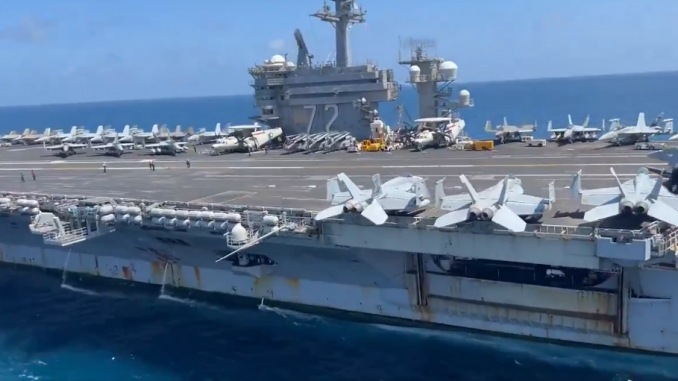
On January 26, 2026, the U.S. Navy’s USS Abraham Lincoln aircraft carrier strike group — including the carrier itself and several accompanying destroyers — entered the Middle East region under U.S. Central Command (CENTCOM), bringing substantial U.S. firepower within proximity to Iran.
CENTCOM stated the deployment was intended to “promote regional security and stability,” but the movement also significantly expands Washington’s options for a rapid military response against Iran if ordered.
President Donald Trump has repeatedly warned of possible military measures against Iran in response to its violent suppression of protests, asserting that the U.S. is watching Tehran’s actions closely and that the striking power now assembled could be used “just in case.”
Trump has deployed his warship, the USS Abraham Lincoln, near Iran.
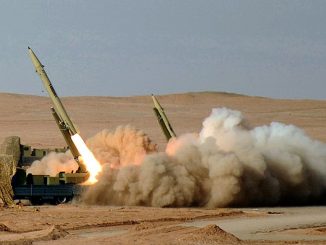
Now Iran has released this **video**, in which Trump’s warship can be seen in its crosshairs/target.
At the end of the video, a sample precision drone strike is also demonstrated. pic.twitter.com/WnWkcChNOw
— NewsDaily🪖🗞️🚨 (@XNews24_7) January 26, 2026

The USS Abraham Lincoln, seen from US Naval Base Guam in December 2025, has now arrived in the Middle East (US Navy)
Protests and Crackdown Inside Iran
The current crisis in Iran began in late December as demonstrations against economic hardships and government policies. However, these protests quickly morphed into a broad movement calling for political change.
Iranian security forces have responded with brutal force. Human rights organizations report thousands of deaths and tens of thousands of arrests, though official figures from Tehran are lower. Estimates vary widely, with some sources claiming casualties could be far higher.
In visible signs of internal and external tensions, Iran unveiled murals in Tehran warning the U.S. against military action, depicting destroyed warships and threatening reprisal.
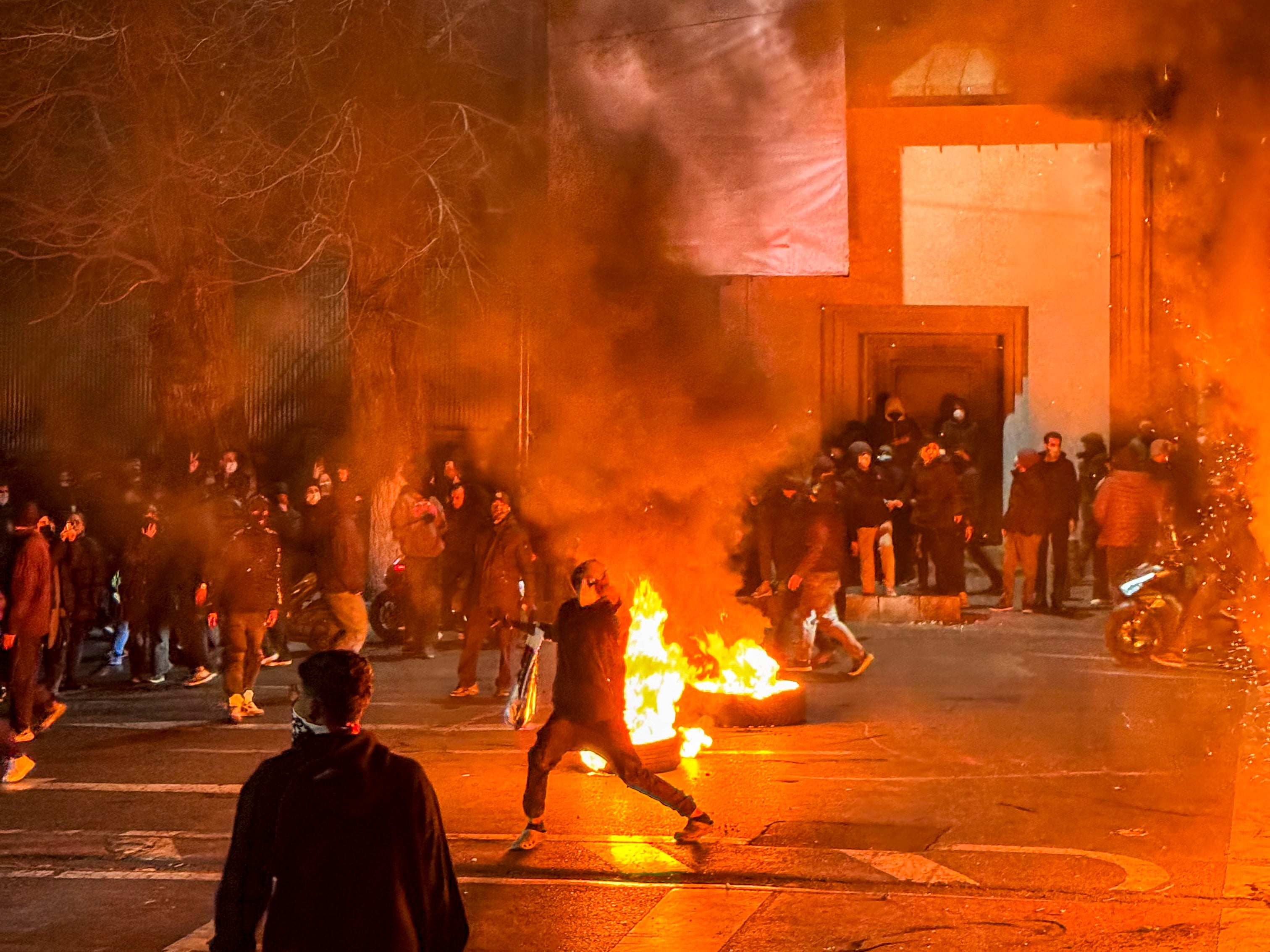
Widespread protests have taken place in Iran against the current regime (Middle East Images)
Rising Regional and International Tensions
Iranian leadership has issued stern warnings, saying any U.S. attack would be met with a strong response, potentially escalating into broader conflict. Tehran’s Revolutionary Guard warned that they are “more ready than ever” to act if provocations continue.
Complicating matters, other regional actors have weighed in:
-
The United Arab Emirates has stated it will not allow its airspace, land, or territorial waters to be used to launch hostile military operations against Iran.
-
U.S. allies have voiced concerns about the risks of direct confrontation.
There are also broader implications for maritime security: Houthi rebels in Yemen — allied with Tehran — have threatened renewed attacks on commercial shipping routes in the Red Sea if the U.S. proceeds with aggressive military moves.
What Comes Next?
While the Abraham Lincoln strike group’s arrival is a clear signal of U.S. readiness and deterrence, no direct military action against Iran has been ordered as of January 26, 2026. Trump’s administration maintains diplomatic channels remain open and has spoken of potential negotiations, even as it warns Tehran over further violence against civilians.
Analysts note that such deployments are historically used to pressure adversaries and expand leadership options rather than signal inevitable war — but they also serve as preparation for a range of contingencies should diplomatic efforts fail.
 Implications of the USS Abraham Lincoln strike group deployment near Iran amid the ongoing protests and regime crackdown:
1. Regional Security and Escalation Risks
-
Increased Tension with Iran: The carrier strike group represents a major escalation in military presence. Even if no strike occurs, Tehran is likely to perceive it as a direct threat, potentially prompting aggressive rhetoric or military posturing.
-
Potential for Miscalculation: With both sides on high alert, a minor incident—like a naval encounter or airspace violation—could quickly escalate into a larger confrontation.
-
Proxy Conflicts: Iran may direct its regional allies (like Hezbollah in Lebanon or Houthis in Yemen) to strike U.S. interests or shipping lanes, potentially destabilizing the Gulf, Red Sea, and wider Middle East.
2. Political and Diplomatic Implications
-
Pressure on Tehran: The U.S. deployment signals a show of force intended to influence Iran’s behavior, particularly in suppressing protests. It reinforces U.S. messaging that human rights violations will not go unnoticed.
-
Strained International Relations: U.S. allies may feel forced to take sides, while nations like the UAE and Oman may oppose the use of their territory for attacks, complicating coalition-building.
-
Negotiation Leverage: Military positioning can strengthen the U.S. bargaining stance in potential diplomatic negotiations, though it risks hardening Iran’s resolve against external pressure.
3. Domestic U.S. Implications
-
Public Perception: A visible military presence may be seen as a commitment to protecting human rights abroad or projecting strength. Conversely, it could trigger concerns about being drawn into another Middle East conflict.
-
Political Debate: Domestic debates may intensify over the use of military force, especially amid ongoing concerns about the cost of previous U.S. engagements in the region.
4. Economic and Trade Implications
-
Oil and Energy Markets: Escalating tensions near the Strait of Hormuz could disrupt shipping lanes, causing global oil prices to spike.
-
Global Trade: Any conflict or threat in the region may increase shipping insurance costs and affect global trade flows, particularly for oil and liquefied natural gas (LNG).
5. Humanitarian Implications
-
Impact on Iranian Civilians: Heightened U.S. military presence may embolden Tehran to crack down further on protesters, fearing internal instability amidst foreign pressure.
-
Potential Refugee Flows: In a worst-case scenario of conflict, large-scale displacement could occur, creating regional humanitarian challenges.
6. Strategic Messaging and Deterrence
-
Demonstration of U.S. Reach: The strike group sends a clear message that the U.S. can quickly project power anywhere in the region.
-
Deterrence Against Aggression: Iran may hesitate to take aggressive military action knowing the U.S. has immediate strike capability nearby.
 Overall Takeaway:
The deployment of the USS Abraham Lincoln strike group near Iran underscores the heightened tensions between Washington and Tehran amid widespread Iranian protests and a violent government crackdown. While the U.S. presents this as a measure to protect regional stability and deter aggression, the move carries significant risks: escalation with Iran, proxy attacks in the region, economic disruptions, and humanitarian consequences for civilians.
Ultimately, this military presence is both a signal of U.S. resolve and a test of Tehran’s response, reflecting the delicate balance between deterrence and provocation. The coming days will be critical in determining whether this standoff remains a strategic show of strength or spirals into broader conflict, with global implications for security, trade, and human rights.
SOURCES: TOWNHALL – US Warships Are in Position – Iran’s Regime Will Decide What Happens Next
THE INDEPENDENT UK – US warships arrive in Middle East amid fears Trump will finally order Iran strike
THE HILL – Aircraft carrier USS Abraham Lincoln in Middle East, expanding Trump military options against Iran