
AP Photo/Vahid Salemi, File
Published March 22, 2026
U.S. President Donald Trump has issued a dramatic 48‑hour ultimatum to Iran, demanding that it fully reopen the Strait of Hormuz — a vital international shipping route for global oil and gas — or face U.S. military strikes on Iranian power infrastructure.
In a late‑night social media post, Trump declared that if Iran does not open the waterway “without threat” within the next two days, the United States will begin striking power plants and energy infrastructure across the country, starting with the largest facilities.
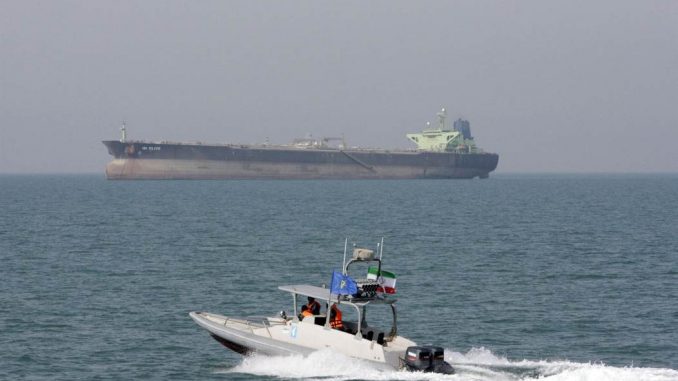
The Strait of Hormuz is a critical global energy chokepoint, handling roughly one‑fifth of the world’s oil and liquefied natural gas shipments, and its closure — effectively enforced by Iran’s Islamic Revolutionary Guard Corps — has sent energy markets into upheaval and driven prices sharply higher.
 Smoke rising after an airstrike in Tehran on March 17, 2026.
Escalation Amid Ongoing Middle East Conflict
The ultimatum comes as the broader Middle East conflict widens:
- Iran has launched ballistic missiles that struck Israeli cities near key sites, injuring dozens and marking the most serious breach of Israeli air defenses in the war so far.
- Iran also attempted a long‑range missile strike on a strategic U.S.–U.K. base in the Indian Ocean, although that attack was unsuccessful.
- Continuous fighting around the Strait of Hormuz has seen effective closure of the waterway to foreign and commercial shipping, threatening global energy supplies and supply chains.
Trump’s ultimatum includes threats to destroy Iranian power plants if Tehran does not comply — language described by some analysts as among the harshest public warnings by a U.S. president in decades.
 An image released by US Central Command on March 20, 2026 showing a US strike on an Iranian facility in Haji Abad.
Allied Support and Military Positioning
The United Kingdom has reportedly authorized the United States to use British bases as potential launch points for operations targeting Iranian threats in the region, underscoring allied involvement in the crisis.
Trump also criticized some NATO allies for not contributing more directly to securing the Strait of Hormuz, arguing that Western interests in energy stability and free navigation demand decisive action.
Immediate Stakes
The ultimatum’s 48‑hour deadline marks a crucial inflection point in a conflict that has now disrupted a key supply route whose closure threatens global economic shock, accelerated inflation, and energy shortages in Europe, Asia, and beyond.
🔍 Analyst Insight:
This ultimatum represents a clear escalation in U.S. pressure on Iran to end its blockade of one of the world’s most important maritime passages. By tying the reopening of the Strait directly to attacks on critical infrastructure, the administration is signaling that continued closure is unacceptable and may invite full military engagement.
From a strategic viewpoint, the move seeks to apply leverage not just militarily but economically: disrupting Iranian energy generation facilities could undercut Tehran’s ability to sustain prolonged resistance or retaliatory actions. At the same time, it raises the risk of broader regional escalation, as Iran and its proxies may perceive the threat as a trigger for expanded retaliation across the Middle East.
👥 Human Element:
Beyond the geopolitical drama, the ultimatum affects real lives:
- Civilian populations in the region face the threat of expanded military operations, including potential strikes near urban centers, power outages, and disruptions to basic services.
- Ordinary workers and families in Iran could suffer from loss of electricity and water supplies if key infrastructure becomes a target, compounding hardship in a population already strained by war and sanctions.
- Global consumers may feel the impact through higher energy prices, increased transportation costs, and inflation, especially in economies heavily dependent on Gulf energy exports.
🎯 Conclusion:
President Trump’s 48‑hour ultimatum to Iran over the Strait of Hormuz marks a significant escalation in an already volatile regional war. By explicitly threatening attacks on Iranian energy infrastructure, the U.S. is signaling a willingness to use force to maintain freedom of navigation and protect global energy security.
At the same time, the aggressive tone and short deadline leave little room for diplomatic reprieve and increase the risk of wider conflict involving U.S. forces, Iran, and their regional partners. The coming hours may determine whether this crisis is defused or becomes a broader kinetic confrontation with long‑lasting global consequences.




