Published May 6, 2026
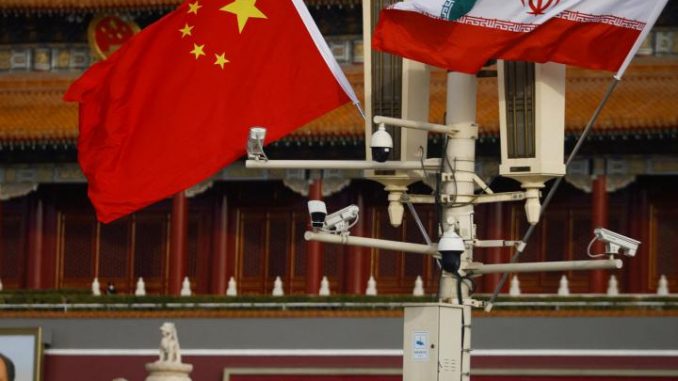
A growing body of foreign policy analysis suggests that China is closely monitoring the ongoing Iran conflict not as a direct participant, but as a strategic observer studying how the United States manages military pressure, global commitments, and long-term competition across multiple regions.
While the fighting remains centered on Iran and U.S. involvement, analysts say the real backdrop is an intensifying great power competition—with Beijing watching closely for signs of American strain, shifting priorities, and global overextension.
Beijing’s Interest Goes Beyond the Battlefield
China is not directly involved in the conflict, but experts say it has a strong interest in the outcome because of its broader geopolitical and economic stakes in the Middle East.
The region plays a critical role in global energy flows and shipping routes, and any instability has the potential to impact supply chains that China relies on for its manufacturing-driven economy.
In simple terms: when conflict disrupts oil routes or trade lanes, China feels it economically—even without firing a shot.
U.S. Military Engagement Under Close Watch
One of the key factors China is reportedly analyzing is how the United States sustains military operations over time, especially in a conflict that requires significant missile defense systems, naval deployments, and logistical support.
Analysts say Beijing is particularly focused on whether prolonged operations stretch U.S. military stockpiles and readiness, especially as Washington continues to balance multiple global commitments.
This includes questions about how the U.S. manages:
- Missile defense inventories
- Naval deployments across regions
- Simultaneous strategic priorities in Europe and Asia
For China, the concern is not immediate confrontation—but long-term capacity and endurance.
Energy Security and Trade Route Exposure
China’s economic dependence on stable global trade routes also plays a major role in its interest in the conflict.
A significant portion of global oil and energy shipments pass through Middle Eastern chokepoints, including the Strait of Hormuz. Any disruption—whether from escalation or regional instability—can raise costs and introduce volatility into global markets.
That creates a direct link between regional conflict and China’s domestic economic stability.
Iran as a Strategic Variable, Not an Ally
Despite growing economic ties between Beijing and Tehran, analysts emphasize that China does not treat Iran as a formal military partner.
Instead, Iran functions as a strategic variable—a country whose stability, alignment, and relationship with the West can influence broader geopolitical conditions without requiring direct Chinese involvement.
This allows China to benefit from trade relationships while avoiding deeper military entanglement.
Great Power Competition in the Background
Beyond Iran itself, analysts say the broader story is the ongoing competition between the United States and China for global influence.
Conflicts like this one force Washington to allocate attention, resources, and military assets across multiple regions. Beijing is closely watching how effectively the U.S. manages that balance.
In strategic terms, every overseas crisis becomes a test of endurance—not just for the countries involved, but for global superpowers managing competing priorities.
🔍 Critical View:
There is growing concern among analysts that China’s interest in the Iran conflict highlights a broader reality: global powers are increasingly treating regional wars as strategic testing grounds for long-term competition rather than isolated security crises.
1. Great power competition driving interpretation (Global rivalry lens)
A key issue is how conflicts like the Iran war are being viewed through the lens of U.S.–China strategic competition, rather than purely regional stability concerns.
What’s at stake: global balance of power, diplomatic influence, and long-term strategic planning
Why it matters: regional wars can shift attention, resources, and political focus of major powers
Risk: smaller conflicts may become indirectly shaped by broader superpower rivalry
In simple terms: local wars are no longer just local—they are being watched as part of a global power contest.
2. Military endurance and resource strain (Sustainability concerns)
Another concern is how prolonged conflicts expose limits in military supply chains and readiness, particularly when advanced weapons systems are used heavily over time.
What’s at stake: missile stockpiles, defense readiness, and long-term military sustainability
Why it matters: modern warfare consumes high-end weapons quickly, which are slow to replace
Risk: extended conflicts could reduce flexibility for other global hotspots
In simple terms: even powerful militaries can feel strain when conflicts last too long.
3. Energy routes and economic vulnerability (Global supply dependence)
Analysts also point to the importance of energy chokepoints and trade routes, especially those running through the Middle East.
What’s at stake: oil supply stability, shipping costs, and global trade flow
Why it matters: disruptions in one region can raise costs worldwide
Risk: economic ripple effects can spread far beyond the conflict zone
In simple terms: when key shipping lanes are unstable, the global economy feels it quickly.
4. China’s indirect leverage strategy (Observation over intervention)
There is also concern that China benefits strategically from observing how other powers manage crises, using conflicts as real-world case studies in military and diplomatic pressure.
What’s at stake: long-term geopolitical positioning and strategic learning
Why it matters: observing rivals under pressure provides planning insight
Risk: indirect advantages may accumulate without direct involvement in conflict
In simple terms: watching how others handle crises can be its own form of strategic advantage.
👥 On the Ground:
Across policy circles and military communities, the focus on China’s reaction to the Iran conflict is being closely watched, even if it is happening mostly behind the scenes rather than in public statements. While there is no direct Chinese involvement in the fighting, the situation is still shaping conversations about global stability, energy security, and long-term strategic balance.
Watching U.S. pressure and response (Military endurance and readiness)
On the ground in defense discussions, a key point of attention is how the United States is managing sustained military pressure across multiple regions. Analysts and defense watchers are paying close attention to military readiness and resource strain, especially when advanced systems like missile defenses and naval deployments are used heavily over time.
Energy routes under constant attention (Global supply risk)
In energy and shipping sectors, there is continued concern over critical trade routes and chokepoints, particularly those linked to Middle Eastern oil flows. Even without direct escalation, the possibility of disruption keeps insurers, shipping companies, and markets cautious, with ripple effects felt in global pricing.
China’s quiet but steady interest (Strategic observation)
On the ground in foreign policy analysis, China’s role is described less as active participation and more as strategic observation of global power behavior. The focus is on how major powers respond to prolonged conflict, and what that reveals about long-term endurance, logistics, and political decision-making.
Broader competition in the background (Great power dynamics)
There is also a growing sense that the Iran conflict is being viewed through a wider lens of great power competition, where regional events are interpreted as indicators of global influence and shifting priorities between the United States and China.
🎯 The Final Word:
In the end, China’s interest in the Iran conflict is less about immediate involvement and more about long-term strategic calculation. While the fighting remains centered in the Middle East, the broader takeaway is how major powers are quietly studying the situation to measure military endurance, economic pressure points, and the limits of sustained global engagement. In simple terms, the conflict is not just shaping regional outcomes—it is also being watched as a real-time test of how the United States manages multiple global challenges at once, and what that could mean for future geopolitical competition.