Reported by:

Cherry Meigh Timbol
News Content Editor
Published October 11, 2026
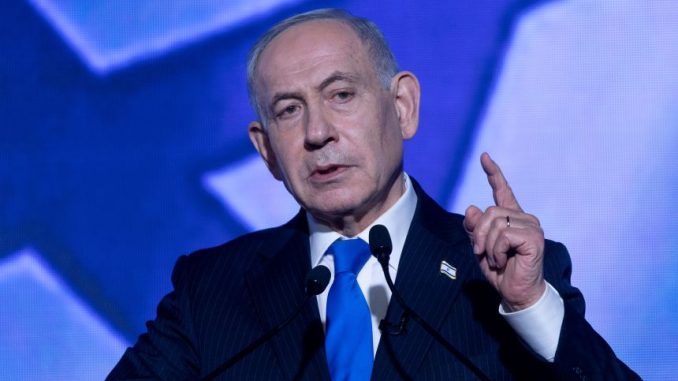
Israel’s reported plan to assassinate Hezbollah leader Hassan Nasrallah in September 2024 exposed tensions between Prime Minister Benjamin Netanyahu and the administration of then-President Joe Biden over the timing and secrecy of a major military operation.
According to a Fox News report, Netanyahu reportedly warned Israeli defense officials that then-U.S. National Security Adviser Jake Sullivan would “jump out of his skin” if he learned about the planned strike. The account was shared by Elliot Kaufman, a Wall Street Journal editorial writer and co-author of a book examining Israel’s war against Hamas and Iran-backed groups.
The Secret Plan and The Disagreement
Netanyahu reportedly believed the Biden administration would oppose the assassination and might try to stop it. He allegedly told senior Israeli defense officials, “140%, they won’t approve of the mission.”
However, then-Defense Minister Yoav Gallant and Israel Defense Forces Chief of Staff Herzi Halevi reportedly favored notifying Washington before the strike. The disagreement reflected differing views within Israel’s leadership about the benefits and risks of consulting its closest ally before a high-stakes operation.
The Strike that killed Nasrallah
On September 27, 2024, Israeli airstrikes hit Hezbollah’s headquarters in Beirut’s southern suburbs, killing Nasrallah, who had led the Iran-backed organization for more than three decades.
Hezbollah had been firing into northern Israel since October 8, 2023, following the Hamas-led attack on southern Israel a day earlier. The fighting displaced civilians on both sides of the Israel-Lebanon border and raised fears of a broader regional conflict.
According to the published report, the Pentagon received no advance warning of the strike. Gallant contacted then-U.S. Defense Secretary Lloyd Austin while the operation was underway.
Washington’s Push for De-escalation
The Biden administration sought to prevent the conflict from developing into a wider regional war. Israeli leaders, meanwhile, argued that diplomatic efforts had failed to end Hezbollah’s attacks on northern Israeli communities.
Kaufman’s account describes Israeli frustration with the pace of American diplomacy and a belief among some officials that military action was necessary. These descriptions reflect the reported account and should not be mistaken for a jointly confirmed explanation from both governments.
What the dispute reveals
The episode illustrates the challenges facing even close allies when their assessments of security risks and military strategy differ. Israel wanted to retain freedom of action against Hezbollah, while Washington was concerned about escalation and the possibility of a wider war.
The reported disagreement over whether to notify the United States also raises questions about trust, intelligence sharing and the limits of coordination between allies during wartime.
Watch on Fox News: Netanyahu feared Jake Sullivan would jump out of his skin over Nasrallah strike