Reported by:

Cherry Meigh Timbol
News Content Editor
Published November 7, 2026
Democrats have secured control of the U.S. House of Representatives following significant gains in the November 3 midterm elections, ending the Republican Party’s control of the chamber and changing the balance of power in Washington.
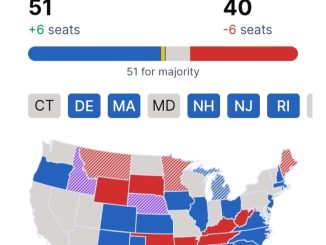
According to election results reported by CBS News on November 6, Democrats had won 254 seats compared with 162 for Republicans, with several races still awaiting final projections. Democrats flipped more than 40 Republican-held districts, including seats in states where Republicans had previously maintained strong electoral support.
The election results mark a major shift in Congress during the second half of Trump’s presidency. Democrats are expected to assume control of the House when the new Congress begins in January 2027, giving them greater authority over committee leadership, legislative priorities and congressional investigations.
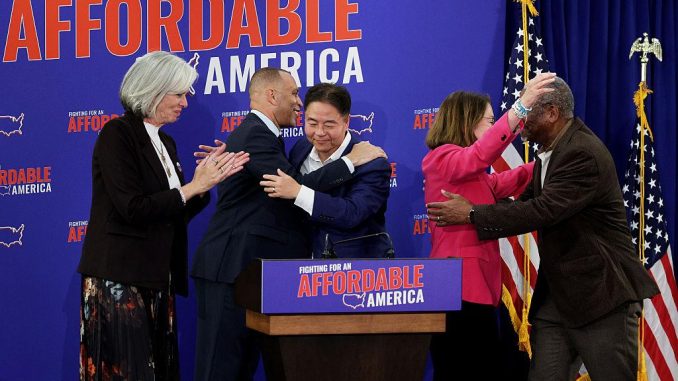
House Democratic Leader Hakeem Jeffries is positioned to become the next speaker of the House, although the position will depend on a formal vote by members when the new Congress convenes.
Democratic lawmakers have indicated that their priorities will include addressing healthcare costs, reviewing federal spending decisions and examining policies implemented by the Trump administration. Party leaders have also discussed expanding congressional oversight and investigating various actions by federal agencies.
The election outcome followed a campaign period in which economic concerns, rising living costs, the war involving Iran and questions about government accountability featured prominently in national political discussions.
President Trump acknowledged that the Iran conflict had affected the election results but maintained his position on the administration’s policies. He also indicated that disagreements with a Democratic-controlled Congress could create legislative challenges during the remaining two years of his term.
With Democrats preparing to take control of the House, the change is expected to bring a different legislative environment in Washington. The transition will formally take effect in January 2027, when the newly elected members of Congress begin their terms.