Reported by:

Cherry Meigh Timbol
News Content Editor
Published November 8, 2026
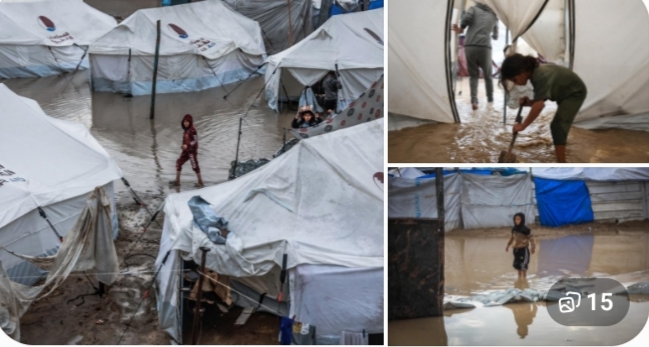
Heavy rainfall has flooded thousands of displacement shelters across the Gaza Strip, affecting families already living in temporary tents following years of conflict and widespread destruction.
According to Gaza’s Government Media Office, approximately 70,000 tents sheltering displaced Palestinians were flooded within 12 hours after the first major winter storm of the season struck the territory on November 7. Initial damage estimates were placed at approximately $3 million.
Bu normal değil. Bu Gazze’nin çocuklar, bizim çocuklarımız gibi her şeye layık.
Çocuklarımızın yağmurda mahsur kaldığını hayal et.
Lütfen bunu normalleştirmeyin.
Paylaşım yapın https://t.co/SI43gaZYVN
— Ali Cevahir (YENİ) (@AliCevahir313) November 8, 2026
Gaza’s Civil Defence agency reported receiving around 1,500 emergency calls within 10 hours of the rainfall beginning. Water levels in several displacement sites reportedly reached between 30 and 40 centimeters, forcing some families to leave their flooded shelters.
The flooding affected multiple locations, including Gaza City, Khan Younis and Deir al-Balah. Images and video footage from the affected areas showed residents walking through muddy water, attempting to remove rainwater from their tents and salvaging soaked mattresses, blankets and clothing.
Displaced Families Face Difficult Conditions
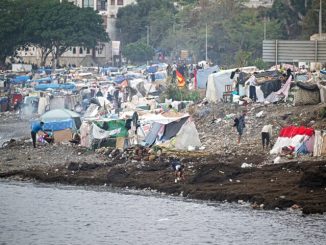
Many Palestinians in Gaza continue to live in makeshift shelters after their homes were damaged or destroyed during the conflict that began in October 2023.
The latest rainfall has exposed the limitations of these temporary structures, many of which consist of plastic sheets and other materials that provide little protection against prolonged rain and strong winds.
Al Jazeera reported that families in several displacement camps struggled to keep their children warm after water entered their shelters. Some residents also reported damage to their tents and the loss of essential household belongings.
The situation is particularly concerning for infants, older people and individuals with medical conditions who have limited protection from cold temperatures and wet conditions.
Emergency Services Struggle to Respond
Gaza’s Civil Defence and municipal authorities face significant operational challenges as they respond to the flooding.
According to local officials, damaged drainage infrastructure, shortages of fuel and limited emergency equipment have reduced the capacity of response teams to remove accumulated water and assist affected families.
Reuters reported that emergency services also faced shortages of functioning water-pumping equipment. Three abandoned houses collapsed during the storm, although no injuries were reported in those particular incidents.
The damaged drainage and sewage systems have also raised concerns about sanitation, particularly where rainwater mixes with wastewater in densely populated displacement areas.
Humanitarian Concerns Ahead of Winter
The flooding comes as humanitarian organizations continue to raise concerns about inadequate shelter and the living conditions of displaced Palestinians.
The United Nations Office for the Coordination of Humanitarian Affairs (OCHA) has previously identified large numbers of displaced people living in areas vulnerable to flooding. Coastal and low-lying displacement sites are particularly exposed to heavy rainfall and rising water levels.
Gaza’s Government Media Office has called for additional humanitarian assistance and the entry of shelter materials, including tents and supplies needed to protect displaced families from winter weather.
Relief organizations and local authorities have also highlighted the need for temporary shelter, blankets, heating supplies and equipment to restore damaged drainage infrastructure.
As additional rainfall remains a concern during the winter season, thousands of displaced families continue to face uncertainty over where they can find safe and adequate shelter.