The outbreak declared May 15
Published July 30 , 2026
ITURI, Democratic Republic of Congo — A rapidly expanding Ebola outbreak in eastern Democratic Republic of Congo has become the fastest-growing Ebola crisis in the country’s history, overwhelming communities, threatening fragile health systems, and raising fears of a deeper humanitarian emergency.
Since the outbreak was declared on May 15, 2026, health authorities have reported thousands of infections and more than 1,500 deaths, with the majority of cases concentrated in Ituri Province, the epicenter of the crisis. The outbreak is being driven by the Bundibugyo virus, a strain of Ebola that currently has no approved vaccine or specific treatment.
The scale and speed of the outbreak have alarmed health officials, who warn that ongoing conflict, displacement, misinformation, and limited medical resources are making containment increasingly difficult.
A Health Emergency Spreading Faster Than Response Efforts
Health officials describe the outbreak as one of the most challenging Ebola emergencies Congo has faced.
The virus has spread through multiple provinces, increasing pressure on hospitals, laboratories, and medical teams working to identify cases and isolate patients.
The Bundibugyo strain presents an additional challenge because existing Ebola vaccines and treatments were primarily developed for other strains, leaving researchers racing to develop new tools against this outbreak.
Doctors and health workers are battling not only the virus but also logistical challenges, including insecurity, damaged infrastructure, and difficulties reaching remote communities.
➡️ Health Impact: Rapid transmission → overwhelmed medical response and increased risk for vulnerable communities.
Families Face Fear, Loss, and Uncertainty
Behind the growing numbers are thousands of families facing devastating consequences.
Communities affected by Ebola have experienced:
💔 Loss of loved ones within days of infection.
🏥 Overcrowded treatment centers struggling to handle rising cases.
👥 Fear and stigma surrounding patients and survivors.
🚧 Restrictions and disruptions affecting daily life, transportation, and local economies.
For many families, the outbreak has created a second crisis on top of existing challenges caused by conflict and poverty.
➡️ Human Impact: Ebola outbreak → rising deaths, displacement, and emotional trauma for affected communities.
Health Workers on the Front Line
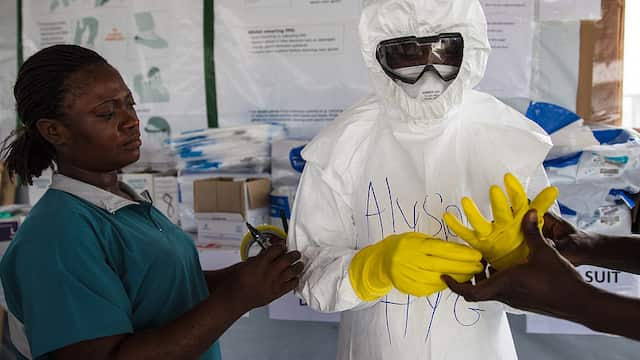
Medical workers remain among those most exposed as they fight to contain the outbreak.
Healthcare teams are responsible for:
🧪 Testing suspected cases and tracking contacts.
🩺 Treating infected patients while protecting themselves from exposure.
📢 Educating communities about prevention and early treatment.
However, response efforts have been complicated by security threats, shortages, and disruptions affecting humanitarian operations.
➡️ Frontline Challenge: Health workers are fighting both the virus and the conditions making containment harder.
Hunger Crisis Deepens as Ebola Spreads
The Ebola emergency is unfolding alongside a severe humanitarian crisis in eastern Congo.
The outbreak has disrupted movement, markets, and food supplies in affected areas. Humanitarian officials warn that millions of people are already facing severe hunger, making communities even more vulnerable during the health emergency.
Malnutrition can increase health risks, particularly among children and people already weakened by poverty or displacement.
➡️ Humanitarian Impact: Ebola combined with food insecurity → greater risks for vulnerable populations.
Global Health Community Mobilizes
International health organizations are increasing efforts to contain the outbreak.
The World Health Organization and other partners are supporting surveillance, testing, medical response, and research efforts.
Scientists are also working to accelerate development of vaccines targeting the Bundibugyo strain. Merck and Wellcome-linked efforts are among initiatives seeking to prepare vaccine candidates for clinical trials.
Why This Outbreak Matters Globally
Although health authorities currently assess the global risk as limited, experts warn that uncontrolled outbreaks can create wider regional challenges.
Factors increasing concern include:
🌍 Cross-border movement between African countries.
⚔️ Conflict preventing rapid medical access.
📉 Weak healthcare infrastructure in affected areas.
🚨 Delayed detection of new cases.
The crisis highlights the importance of early detection, international cooperation, and investment in outbreak preparedness.
A Race Against Time
The Congo Ebola outbreak represents a critical test for global health systems.
The challenge is not only stopping the virus, but reaching communities before more lives are lost.
With thousands infected, medical teams are racing against time to expand treatment, improve detection, and prevent further spread.
👥 Public / Political Reactions:
The rapidly growing Ebola outbreak in the Democratic Republic of Congo has triggered urgent responses from health officials, government leaders, international organizations, and local communities. Authorities are facing pressure to contain the spread of the virus while addressing public fear, misinformation, and the humanitarian conditions worsening the crisis.
🇨🇩 Democratic Republic of Congo
Congo’s government has declared the outbreak a major public health emergency and pledged to expand efforts to contain the virus.
- Health authorities are increasing disease surveillance, testing, and contact-tracing operations in affected provinces.
- Government officials have called for stronger cooperation with international health agencies to improve medical response capacity.
- Authorities are urging communities to report symptoms early and avoid behaviors that could accelerate transmission.
➡️ Position: The Congolese government says stopping the outbreak requires rapid medical intervention, public cooperation, and international assistance.
🩺 Health Workers and Medical Responders
Frontline healthcare workers have warned that the scale of the outbreak is placing enormous pressure on medical teams.
- Doctors, nurses, and emergency responders continue working in high-risk environments to treat patients and prevent further infections.
- Medical groups have raised concerns about shortages of resources, protective equipment, and access to remote communities.
- Health workers are also battling fear and misinformation that can discourage people from seeking treatment.
➡️ Position: Medical responders say controlling Ebola depends on protecting healthcare workers, expanding resources, and reaching affected communities quickly.
🌍 World Health Organization (WHO) and International Health Agencies
Global health organizations have intensified their response to the crisis.
- The WHO is supporting surveillance, laboratory testing, emergency response coordination, and technical assistance.
- International health partners are working with Congolese authorities to strengthen outbreak control measures.
- Experts are monitoring whether the outbreak could spread beyond affected regions.
➡️ Position: International health agencies say rapid detection, containment, and cooperation are essential to preventing further transmission.
🇺🇳 United Nations and Humanitarian Organizations
The United Nations and humanitarian groups have expressed concern over the combination of Ebola, conflict, and food insecurity.
- Aid organizations warn that insecurity in eastern Congo makes it harder to deliver medical assistance.
- Humanitarian groups are calling for greater access to vulnerable communities.
- Officials emphasize that the outbreak is occurring alongside an already severe humanitarian crisis.
➡️ Position: Humanitarian organizations say Ebola response must be combined with efforts to address displacement, hunger, and security challenges.
👥 Local Communities
Public reaction in affected areas has been shaped by fear, grief, and uncertainty.
- Families affected by the outbreak are demanding faster medical assistance and greater protection.
- Some communities remain cautious because of past experiences with Ebola responses and concerns about misinformation.
- Community leaders are working with health officials to encourage early reporting and preventive measures.
➡️ Position: Local residents want stronger protection, transparent information, and immediate support as the outbreak continues.
💉 Global Scientific and Medical Community
Researchers and vaccine developers are focusing on finding new tools against the Bundibugyo strain.
- Scientists are studying vaccine options because existing Ebola vaccines do not specifically target this strain.
- Pharmaceutical and research organizations are exploring accelerated development pathways.
- Experts warn that delays in developing medical tools could make future outbreaks harder to control.
➡️ Position: Scientists say research and rapid development of vaccines and treatments are critical to stopping future Ebola threats.
🏛️ Broader Political Impact
The outbreak has renewed debate over global preparedness for emerging diseases.
- Governments and health organizations are reviewing whether current outbreak-response systems are strong enough.
- Leaders face pressure to improve healthcare infrastructure in vulnerable regions.
- The crisis highlights the connection between public health, poverty, conflict, and international security.
➡️ Position: The Ebola crisis has become a reminder that infectious disease outbreaks can quickly become international challenges requiring coordinated action.
⚠️ Resulting Effects:
The rapid spread of the Ebola outbreak in the Democratic Republic of Congo has created a growing humanitarian and public health emergency. Beyond the rising death toll, the crisis is placing pressure on hospitals, threatening vulnerable communities, disrupting daily life, and testing the ability of local and international health systems to respond.
1. Rising Death Toll and Expanding Health Crisis
The outbreak has intensified pressure on Congo’s healthcare system.
💔 More than 1,500 people have died as infections continue spreading in affected areas.
🏥 Hospitals and Ebola treatment centers are facing increasing demands for medical care.
🧪 Health workers are working to identify cases, isolate patients, and prevent further transmission.
➡️ Result: Rapid Ebola transmission → increased deaths and greater strain on healthcare systems.
2. Healthcare Workers Face Greater Risks
Medical responders remain on the front lines of the crisis.
🩺 Doctors, nurses, and emergency workers face exposure risks while treating infected patients.
⚠️ Limited resources, security challenges, and difficult access to remote communities complicate response efforts.
👥 The loss or exhaustion of healthcare workers could further weaken outbreak control.
➡️ Result: Growing outbreak → increased pressure on frontline medical teams.
3. Communities Face Fear, Stigma, and Disruption
The outbreak is affecting daily life in affected regions.
🏘️ Families are facing fear as cases and deaths continue rising.
🚧 Public movement, local commerce, and community activities may be disrupted in high-risk areas.
📢 Misinformation and fear of Ebola can discourage people from seeking early treatment.
➡️ Result: Health emergency → social disruption and increased community anxiety.
4. Humanitarian Crisis Deepens in Eastern Congo
The Ebola outbreak is occurring alongside existing challenges.
🍽️ Food insecurity and poverty are increasing risks for vulnerable populations.
🏚️ Conflict and displacement make it more difficult to deliver medical assistance.
👶 Children and displaced families face greater health threats due to limited access to care.
➡️ Result: Ebola combined with humanitarian challenges → greater suffering among vulnerable communities.
5. International Health Response Faces Pressure
Global organizations are being pushed to expand support.
🌍 Health agencies are increasing testing, monitoring, and emergency response operations.
💉 Researchers are accelerating efforts to develop vaccines and treatments for the Bundibugyo strain.
🤝 International cooperation is becoming essential to prevent further spread.
➡️ Result: Growing outbreak → increased demand for global health assistance.
6. Risk of Regional Spread Increases
Although the outbreak remains concentrated in Congo, concerns remain over possible transmission beyond affected areas.
🌍 Cross-border movement may create challenges for neighboring countries.
🛂 Health authorities may increase screening and surveillance measures.
⚠️ Delayed detection in new locations could complicate containment efforts.
➡️ Result: Expanding outbreak risk → greater regional health monitoring.
7. Economic Impact on Affected Communities
The outbreak is creating additional financial pressure.
📉 Local businesses and markets may suffer from reduced activity and movement restrictions.
🏥 Governments face increased costs for emergency response and medical operations.
💰 Long-term recovery may require significant international funding.
➡️ Result: Health crisis → additional economic hardship for affected communities.
8. Global Health Preparedness Is Being Tested
The outbreak has renewed concerns about the world’s ability to respond to emerging diseases.
🌐 Governments are reviewing lessons from previous Ebola outbreaks.
🧬 Scientists continue developing better tools for detecting and treating rare virus strains.
🚨 The crisis highlights the importance of early warning systems and rapid international action.
➡️ Result: Ebola outbreak → renewed focus on global pandemic preparedness.
🔮 Future Outlook:
The future of the Ebola outbreak in the Democratic Republic of Congo will depend on how quickly health authorities can expand testing, treatment, community cooperation, and international support. With thousands of infections and a rising death toll, health experts warn that the coming weeks will be critical in determining whether the outbreak can be contained or whether it develops into a larger regional emergency.
1. Containment Efforts Will Determine the Next Phase
The immediate priority remains stopping further transmission.
🧪 Health authorities are expected to expand testing, contact tracing, and isolation measures in affected communities.
🏥 Ebola treatment centers may require additional staff, equipment, and supplies to manage increasing cases.
📢 Public education campaigns will remain important to encourage early reporting and reduce misinformation.
➡️ Outlook: Stronger containment measures → greater chance of slowing the outbreak.
2. Healthcare System Will Face Continued Pressure
Medical facilities are expected to remain under significant strain.
🩺 Frontline workers will continue treating patients while facing exposure risks.
⚠️ Shortages of medical resources and challenges reaching remote communities may slow response efforts.
🤝 International medical support will likely remain essential to strengthen local capacity.
➡️ Outlook: Rising cases → continued pressure on hospitals and healthcare workers.
3. Vaccine and Treatment Research Becomes More Urgent
Scientists are racing to develop better tools against the Bundibugyo strain.
💉 Researchers are expected to accelerate vaccine development and testing efforts.
🧬 Medical experts will continue studying the virus to improve prevention and treatment options.
🌍 International partnerships may play a key role in speeding up access to new medical tools.
➡️ Outlook: Scientific progress → critical to reducing future Ebola threats.
4. Risk of Regional Spread Remains a Concern
Health authorities will continue monitoring neighboring areas.
🌍 Border regions may increase disease surveillance and screening efforts.
🚨 Early detection will be essential to prevent new outbreaks in surrounding countries.
🛂 Governments may strengthen coordination to manage cross-border health risks.
➡️ Outlook: Continued monitoring → necessary to prevent wider transmission.
5. Humanitarian Challenges Could Complicate Recovery
The Ebola crisis is occurring alongside conflict and food insecurity.
🏚️ Displaced communities may continue facing difficulties accessing healthcare.
🍽️ Hunger and poverty could increase vulnerability among affected populations.
🤝 Humanitarian organizations will need to coordinate medical and emergency assistance.
➡️ Outlook: Combined crises → more difficult and prolonged recovery efforts.
6. Public Trust Will Be Critical to Success
Community cooperation will influence whether the outbreak can be controlled.
👥 Health officials will need to address fear, stigma, and misinformation.
📢 Local leaders and community organizations will remain important partners in encouraging safe practices.
⚖️ Transparency from authorities may help strengthen public confidence.
➡️ Outlook: Public cooperation → a key factor in defeating the outbreak.
7. International Response Will Shape Long-Term Outcomes
The global health community is expected to remain involved.
🌐 Organizations such as the WHO and humanitarian groups will continue supporting Congo’s response.
💰 Additional funding may be needed to sustain emergency operations.
🤝 International coordination will determine how quickly resources reach affected communities.
➡️ Outlook: Global assistance → essential for controlling the crisis.
8. The Threat of a Prolonged Ebola Crisis Remains
Experts warn that the outbreak could continue if transmission is not reduced quickly.
⚠️ Continued infections could overwhelm already limited healthcare resources.
🦠 Delayed response could allow the virus to spread into new areas.
🕊️ Successful containment, however, could prevent a larger humanitarian disaster.
➡️ Outlook: The coming months will determine whether Congo brings the outbreak under control or faces a longer and more devastating Ebola crisis.
🧩 Bottom Line:
The Ebola outbreak in the Democratic Republic of Congo has become one of the country’s most serious public health emergencies, combining a deadly virus with existing challenges of conflict, poverty, and limited healthcare access. With more than 1,500 deaths reported and thousands of infections recorded, the crisis is placing enormous pressure on communities and medical teams fighting to contain the disease.
💔 The human cost continues to rise as families lose loved ones, communities face fear and uncertainty, and healthcare workers risk their own lives to save others.
🏥 The healthcare challenge is growing as hospitals, treatment centers, and frontline responders struggle to manage the increasing number of patients while facing limited resources and difficult conditions.
🌍 The global health response remains critical as international organizations work with Congo to expand testing, improve surveillance, and accelerate research into vaccines and treatments for the Bundibugyo strain.
⚠️ The humanitarian impact extends beyond the virus itself, with hunger, displacement, and insecurity making it harder to reach vulnerable populations and prevent further spread.
🤝 The path forward will depend on rapid intervention, public cooperation, international support, and the ability of health authorities to stop transmission before the crisis grows even larger.
➡️ Bottom Line: Congo’s Ebola outbreak is not only a medical emergency — it is a human crisis testing the world’s ability to respond to a deadly disease under difficult conditions. The coming weeks will be decisive: stronger containment efforts could prevent a wider disaster, but delays in action could allow the outbreak to become an even greater threat to communities across the region.
SOURCES: AP NEWS – Ebola Outbreak in Congo claims over 1500 lives , official data reveals
BLOOMBERG – Ebola Vaccine Race Accelerates as Congo Outbreak Outpaces Response