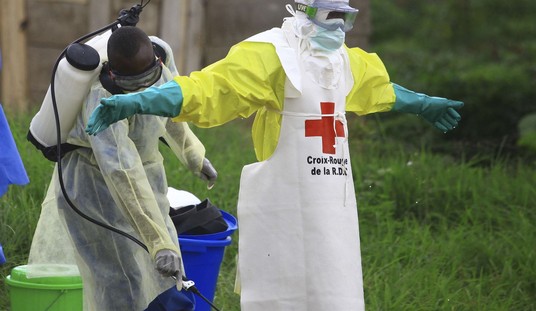
Multiple outlets are reporting that the Trump administration will break from previous outbreak protocol and treat Ebola patients in Kenya instead of the US. An administration official announced Wednesday that multiple agencies, including the Departments of State, HHS, and Defense, are partnering to establish a ‘state-of-the-art care facility in Kenya’ for Americans exposed to the deadly virus.
Published May 29, 2026
🧭 Headline Brief
A growing Ebola outbreak in Central and East Africa is drawing renewed attention from U.S. health officials and national security leaders after suspected infections reportedly climbed toward the 1,000-case mark across multiple regions. As concerns rise over international travel and containment efforts, federal authorities have begun strengthening airport screening procedures and reinforcing monitoring systems for incoming passengers from affected countries.
The situation intensified after reports confirmed Ebola patients would be treated at a medical facility in Kenya while neighboring nations work to prevent wider regional spread. U.S. officials say the priority remains clear: stop the outbreak abroad before it reaches American soil.
🧩 Context Signal
The outbreak has reignited debates over border enforcement, global health preparedness, and America’s dependence on international health systems during fast-moving emergencies. Critics of past pandemic-era policies argue the federal government cannot afford delayed responses or unclear public messaging if another infectious threat begins spreading internationally.
Secretary of State Marco Rubio warned this week that the United States “cannot allow any Ebola cases to enter the country,” signaling a tougher tone on containment and travel oversight as health agencies increase coordination with airport authorities and international partners.
Federal agencies have reportedly expanded screening efforts at major transportation hubs, including New York’s JFK International Airport, where travelers arriving from Ebola-affected regions may face additional monitoring and health assessments.
Supporters of stricter safeguards argue the outbreak demonstrates how quickly regional health crises can evolve into international security concerns in an interconnected world.
🌍 Field Reality
The Pressure Building on the Ground
While officials insist current containment systems remain operational, health experts and frontline workers across affected regions warn the situation is becoming increasingly difficult to manage. Medical infrastructure in parts of Central Africa has long struggled with overcrowding, limited staffing, and supply shortages — challenges that become far more dangerous during outbreaks involving highly infectious diseases.
The rapid rise in suspected cases has intensified fears that local healthcare systems may soon face unsustainable pressure if transmission continues accelerating.
Strained Healthcare Systems
Hospitals and treatment centers in affected regions are reportedly working under growing stress as patient numbers climb. Medical personnel face shortages of protective equipment, limited isolation capacity, and logistical difficulties reaching rural communities where infections may spread undetected.
Critics argue international organizations often respond too slowly during the early stages of outbreaks, allowing containment opportunities to narrow before stronger action is taken.
Public health experts warn that once healthcare systems become overwhelmed, tracking infections and isolating cases becomes significantly more difficult.
Travel and Border Concerns Intensify
The outbreak has also revived concerns surrounding international air travel and border screening policies. U.S. authorities have reportedly begun enhanced monitoring procedures at select airports handling passengers arriving from affected regions.
Critics of weaker border enforcement policies argue infectious diseases do not respect political boundaries and that governments must act aggressively before cases enter densely populated urban centers.
Some lawmakers are now calling for:
- Expanded travel screening
- Temporary travel restrictions from high-risk zones
- Mandatory quarantine protocols for exposed travelers
Increased coordination between federal health and homeland security agencies
Supporters of tighter controls say prevention remains far less costly than reacting after domestic transmission begins.
Economic and Supply Chain Anxiety
Beyond the immediate health threat, analysts warn that worsening outbreaks can create broader economic instability. International shipping routes, medical supply chains, and regional trade networks may all face disruptions if neighboring countries impose emergency restrictions.
Business leaders also fear that global markets remain vulnerable after the economic damage caused by previous pandemic-era shutdowns.
Some economists caution that even limited outbreaks can trigger:
- Investor uncertainty
- Transportation slowdowns
- Higher healthcare spending
- Consumer panic responses
For governments already dealing with inflation and strained public budgets, another international health emergency could create additional economic pressure.
Public Trust and Institutional Scrutiny
The outbreak is also reviving scrutiny over how governments and international health organizations communicate during crises. Critics argue that inconsistent messaging during past public health emergencies damaged public trust and increased political polarization surrounding health policy.
As Ebola headlines intensify, many voters are demanding greater transparency regarding:
- Border screening procedures
- Emergency preparedness plans
- Vaccine and treatment availability
- International containment coordination
- The broader concern for many
Americans is no longer just about one outbreak overseas — it is whether institutions are prepared to respond effectively before another global emergency escalates.
🔍 Global Lens
A Reminder That Health Crises Are Now Global Security Issues
The Ebola outbreak is once again highlighting how rapidly regional health emergencies can evolve into international political and security concerns. In an era of constant global travel, densely connected trade networks, and mass migration, infectious disease outbreaks no longer remain isolated events for long.
Governments worldwide are now balancing two competing priorities: maintaining open international movement while protecting domestic populations from rapidly spreading biological threats.
The challenge has become not only medical — but geopolitical.
International Containment Efforts Under Pressure
Countries across Africa and beyond are now increasing monitoring measures as health officials attempt to prevent wider transmission. Regional governments are reportedly expanding surveillance operations, strengthening border checks, and coordinating with international health agencies to contain the outbreak before it spreads further.
However, critics argue global health coordination often suffers from delayed funding, bureaucratic inefficiency, and political hesitation during the earliest stages of emergencies.
Some analysts warn that by the time international organizations fully mobilize resources, outbreaks may already have crossed critical containment thresholds.
The Debate Over Travel Restrictions Returns
The outbreak has revived one of the most politically sensitive questions in global health policy: when should nations restrict travel during infectious disease emergencies?
Supporters of aggressive travel restrictions argue governments have a responsibility to prioritize national safety over international political pressure. Critics of softer border approaches say delayed action during past outbreaks allowed preventable transmission chains to expand internationally.
Others warn that blanket travel bans can discourage transparency from affected countries and damage humanitarian aid operations.
Still, many governments are now quietly reviewing emergency border protocols as fears of international spread continue growing.
Lessons From Past Global Health Crises
The Ebola outbreak arrives only a few years after the COVID-19 pandemic reshaped public attitudes toward government preparedness, international organizations, and emergency powers.
Many citizens remain skeptical of institutional assurances after years of conflicting guidance, lockdown debates, and economic disruption.
As a result, governments now face a far more demanding public environment where voters expect:
- Faster emergency responses
- Stronger border protections
- Clearer communication
- Greater accountability from public officials
The political consequences of appearing unprepared during a health emergency have become significantly higher worldwide.
Economic Fragility in a Connected World
Global economists also warn that outbreaks today carry risks far beyond public health. International commerce, tourism, aviation, and supply chains remain deeply interconnected, meaning even localized emergencies can trigger ripple effects across markets.
Countries already struggling with inflation, debt, and slowing economic growth may have limited capacity to absorb another major disruption.
Critics of global dependency models argue recent crises have exposed vulnerabilities created by overreliance on fragile international systems.
A Growing Debate Over Sovereignty and Security
At the center of the global discussion is a larger question about national sovereignty in an interconnected world.
One side argues international cooperation and open movement remain essential for economic stability and humanitarian response.
The other argues governments must prioritize domestic security, enforce stronger borders, and maintain independent emergency preparedness rather than relying heavily on international institutions.
The Ebola outbreak is now becoming another flashpoint in that broader debate — one involving public safety, national responsibility, and the limits of globalization itself.
📌 Closing Signal
As health officials race to contain the Ebola outbreak overseas, governments around the world are once again confronting difficult questions about preparedness, border security, and public trust. Supporters of stronger emergency measures argue decisive action now could prevent far greater consequences later. Critics warn that slow responses, weak enforcement, or political hesitation may leave nations vulnerable if the outbreak spreads further internationally.
For many Americans, the concern extends beyond one disease or one region. The outbreak has become another test of whether global institutions and national governments have truly learned from recent crises — or whether the world remains just as exposed to the next international emergency.
What happens in the coming weeks may shape not only the course of the outbreak itself, but also the future debate over public health, national sovereignty, and global security in an increasingly unstable world.