Strongest Earthquake in 40 Years Rocks Volcanic Area Near Naples, Injuring Dozens and Raising Fresh Safety Concerns

Buy Me a Coffee

A magnitude 4.7 earthquake struck the Campi Flegrei area near Naples, southern Italy, leaving dozens injured, causing power outages, disrupting train and metro services, and damaging some buildings.
Reported by:

Cherry Meigh Timbol
News Content Editor
Published August 2 , 2026

NAPLES, Italy — A powerful 4.7-magnitude earthquake struck the volcanic Campi Flegrei (Phlegraean Fields) area near Naples, injuring at least 26 people, damaging buildings, triggering landslides, and forcing hundreds of residents from their homes in what authorities describe as the strongest earthquake to hit the region in four decades. The tremor has renewed concerns about seismic and volcanic activity beneath one of Europe’s most closely monitored volcanic zones.

The earthquake struck Friday evening at a shallow depth of about 3 kilometers (1.9 miles), causing violent shaking across Naples, Pozzuoli, and surrounding communities. Residents rushed into the streets as power outages disrupted neighborhoods, public transportation was suspended, and emergency crews responded to reports of structural damage. More than 60 aftershocks were recorded in the hours that followed, adding to public anxiety.

Buildings Damaged as Residents Flee Their Homes

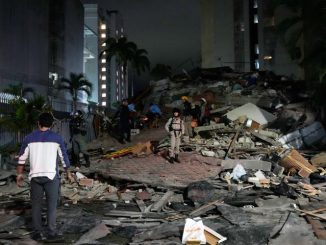
The strongest impacts were reported in Pozzuoli, near the earthquake’s epicenter, where several buildings sustained structural damage and at least one partially collapsed. Authorities evacuated approximately 300 residents after inspectors declared multiple buildings unsafe for occupancy.

Emergency services responded to hundreds of calls involving damaged homes, trapped residents, and fallen debris, while firefighters conducted inspections to determine whether additional evacuations would be necessary.

Power Outages and Transport Disruptions Spread Across the Region

The earthquake caused widespread disruptions to daily life throughout the Naples metropolitan area.

Power outages affected thousands of households, while rail and metro services were temporarily suspended to allow engineers to inspect tracks and infrastructure for possible damage. Ferry operations were also disrupted after damage was reported at a pier serving nearby coastal communities.

Campi Flegrei’s Volcanic Activity Draws Renewed Attention

The quake occurred beneath Campi Flegrei, a vast volcanic caldera west of Naples that has experienced increasing seismic activity in recent years.

Scientists have been closely monitoring the area because of ongoing ground uplift and frequent earthquake swarms, phenomena associated with volcanic unrest. Although authorities emphasized there is no immediate indication of an eruption, the latest earthquake has renewed public concern about the region’s long-term volcanic risks.

Emergency Officials Continue Damage Assessments

Italian Civil Protection authorities, firefighters, and local emergency services continue inspecting buildings, roads, and public infrastructure while monitoring ongoing aftershocks.

Officials have urged residents to remain alert, follow emergency guidance, and report any signs of structural instability as engineers continue evaluating affected neighborhoods. Additional aftershocks remain possible in the coming days.

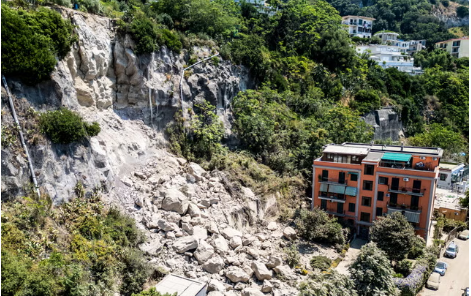
A car sits crushed under rocks outside a gate
A car sits crushed under rocks that fell from a ridge near the Solfatara volcanic crater in Campi Flegrei. Photograph: Anadolu/Getty Images

One of Italy’s Most Closely Watched Seismic Regions

Italy is among Europe’s most earthquake-prone countries, and the Campi Flegrei area has long been considered one of its most sensitive geological zones because of its combination of seismic and volcanic activity.

While the latest earthquake did not trigger a volcanic eruption, experts say it serves as another reminder of the importance of continuous monitoring, emergency preparedness, and resilient infrastructure in communities living near active geological hazards. As authorities continue assessing the damage and monitoring aftershocks, residents remain on edge, aware that life in one of Europe’s most active volcanic regions carries ongoing natural risks.


👥 Public / Political Reactions:

The powerful earthquake that struck the Campi Flegrei volcanic area near Naples has prompted swift responses from Italian authorities, emergency agencies, scientists, and local residents. While officials have emphasized that there is currently no evidence of an imminent volcanic eruption, the quake has renewed concerns over public safety and preparedness in one of Europe’s most closely monitored volcanic regions.

🇮🇹 Italian Government and Civil Protection
Italy’s Civil Protection Department coordinated emergency response efforts, deploying firefighters, engineers, and rescue teams to assess damaged buildings, assist displaced residents, and monitor ongoing aftershocks. Officials urged residents to remain calm while following safety instructions, stressing that inspections and monitoring would continue in the affected areas.

🚒 Emergency Services and Local Authorities
Firefighters and local emergency officials responded to hundreds of calls involving damaged structures, power outages, and residents trapped in elevators or unable to return to their homes. Authorities in Pozzuoli ordered evacuations from buildings deemed unsafe and established temporary shelters for displaced families.

🌋 Scientists and Volcanologists
Seismologists and volcanologists said the earthquake is part of the ongoing seismic unrest affecting the Campi Flegrei caldera. While they emphasized there are no immediate signs of a volcanic eruption, experts said the area will remain under continuous monitoring because of persistent ground uplift and recurring earthquake swarms.

🏘️ Residents and Community Leaders
Many residents expressed fear after experiencing the strongest earthquake in decades, with some spending the night outdoors because of repeated aftershocks. Community leaders called for clearer emergency communication, stronger infrastructure, and continued support for families forced to evacuate their homes.

🌍 International Observers
The earthquake has drawn international attention because Campi Flegrei is considered one of the world’s most closely watched volcanic systems. Disaster management experts say the event highlights the importance of continuous geological monitoring, emergency preparedness, and resilient infrastructure in regions vulnerable to earthquakes and volcanic activity.


⚠️ Resulting Effects:

The powerful earthquake near Naples has caused significant disruption across the Campi Flegrei volcanic region, leaving dozens injured, damaging homes and infrastructure, and heightening concerns over ongoing seismic activity. Beyond the immediate destruction, the event has renewed public debate about disaster preparedness and long-term safety in one of Europe’s most active volcanic zones.

🚨 1. Injuries, Evacuations, and Property Damage Increased
The earthquake injured at least 26 people, damaged residential buildings, and forced hundreds of residents to evacuate after several structures were declared unsafe. Emergency crews continued inspecting homes and public buildings while assisting displaced families.

💥 Effect: Local authorities remain focused on ensuring public safety as damage assessments and recovery operations continue.

🏚️ 2. Infrastructure and Public Services Were Disrupted
The tremor caused power outages, interrupted rail and metro services, and affected ferry operations while engineers inspected transportation infrastructure for possible structural damage.

⚠️ Effect: Transportation and essential services experienced temporary disruptions, with restoration efforts continuing as safety inspections progress.

🌋 3. Concern Over Campi Flegrei’s Volcanic Activity Has Intensified
The earthquake occurred beneath the Campi Flegrei caldera, an area already experiencing increased seismic activity and ground uplift. Although officials reported no immediate signs of an eruption, the event has heightened public awareness of the region’s geological risks.

🛡️ Effect: Scientific monitoring of seismic and volcanic activity is expected to remain a top priority for Italian authorities.

👥 4. Residents Face Ongoing Anxiety from Aftershocks
More than 60 aftershocks were recorded following the main earthquake, prompting many residents to remain outdoors or avoid returning to their homes until buildings are declared safe.

🤝 Effect: Continued aftershocks may prolong uncertainty and place additional emotional and psychological strain on affected communities.

🏛️ 5. Disaster Preparedness Is Under Renewed Review
The earthquake has prompted fresh discussions about building safety, emergency evacuation procedures, and infrastructure resilience in earthquake-prone areas surrounding Naples.

📄 Effect: Authorities may review emergency response plans and evaluate whether additional investments are needed to strengthen public safety and disaster preparedness.

📈 6. Long-Term Monitoring Will Continue Across the Region
Scientists continue closely monitoring seismic activity beneath Campi Flegrei, recognizing that the area remains one of Europe’s most closely watched volcanic systems.

🧭 Effect: While no eruption is considered imminent, ongoing monitoring and preparedness efforts will remain essential as experts assess future seismic activity and potential geological developments.


🔮 Future Outlook:

The strongest earthquake to strike the Campi Flegrei volcanic area in decades has reinforced the need for continued vigilance as authorities monitor ongoing seismic activity and assess the region’s long-term geological risks. While experts stress there is no immediate indication of a volcanic eruption, the coming weeks and months are expected to focus on public safety, scientific monitoring, and infrastructure resilience.

🌋 1. Seismic Activity Is Expected to Continue
Scientists believe additional aftershocks are likely as the Campi Flegrei caldera continues experiencing seismic unrest. The region has recorded increasing earthquake activity and ground uplift in recent years.

⚠️ Outlook: Residents may continue experiencing periodic tremors, prompting authorities to maintain heightened monitoring and emergency preparedness.

🔬 2. Scientists Will Intensify Monitoring of the Volcanic Caldera
Italian volcanologists and seismologists are expected to continue closely tracking ground deformation, gas emissions, and seismic activity to detect any significant changes beneath the Campi Flegrei supervolcano.

📈 Outlook: Although no eruption is currently expected, continuous scientific monitoring will remain essential to provide early warning should volcanic conditions change.

🏛️ 3. Authorities May Strengthen Disaster Preparedness Measures
Following the earthquake, government agencies are expected to review emergency response plans, evacuation procedures, and public communication systems for communities surrounding Naples.

🛡️ Outlook: Officials may introduce additional preparedness initiatives and strengthen coordination among emergency services to improve readiness for future seismic events.

🏚️ 4. Building Safety Inspections and Repairs Will Continue
Engineers are expected to carry out detailed structural assessments of homes, schools, hospitals, and public infrastructure damaged by the earthquake.

🚧 Outlook: Repairs and reinforcement projects could continue for weeks or months, particularly for buildings found to have sustained significant structural damage.

👥 5. Public Awareness of Earthquake Risks Is Likely to Increase
The strongest earthquake in decades has renewed public concern about living near one of Europe’s most active volcanic systems. Residents are expected to place greater emphasis on emergency planning and earthquake preparedness.

🤝 Outlook: Community education, emergency drills, and public information campaigns may become more prominent as authorities seek to improve disaster readiness.

🌍 6. Long-Term Risk Management Will Remain a National Priority
The Campi Flegrei caldera will continue to be one of Italy’s most closely monitored geological regions because of its combined seismic and volcanic hazards.

🧭 Outlook: While experts emphasize there is no immediate volcanic emergency, sustained investment in scientific research, infrastructure resilience, and emergency planning will be critical to protecting communities should future seismic or volcanic activity intensify.


🧩 Bottom Line:

The powerful earthquake that struck the Campi Flegrei volcanic area near Naples serves as a stark reminder of the geological risks faced by millions of people living in one of Europe’s most active seismic and volcanic regions. Although no immediate volcanic eruption is expected, the strongest quake in decades has caused injuries, damaged homes and infrastructure, and heightened public concern over the area’s continuing seismic unrest.

🏛️ Italian authorities have focused on emergency response, evacuations, and detailed structural inspections while continuing to monitor aftershocks and assess damage. Officials have emphasized that public safety remains the top priority as scientists closely observe conditions beneath the Campi Flegrei caldera.

⚖️ Scientists and disaster management experts stress that the earthquake does not necessarily indicate an imminent volcanic eruption. However, they note that the region’s ongoing ground uplift and recurring earthquake swarms require continuous monitoring, public preparedness, and timely communication to reduce risks for nearby communities.

📄 Emergency responders and local governments continue assisting displaced residents, restoring essential services, and evaluating damaged buildings. The event has also renewed discussions about strengthening building resilience, improving emergency response systems, and ensuring communities are better prepared for future seismic events.

🌍 The implications extend beyond Italy. The earthquake highlights the importance of disaster preparedness in geologically active regions around the world, where effective monitoring, resilient infrastructure, and coordinated emergency planning remain essential for protecting lives and minimizing the impact of natural hazards.

➡️ Bottom Line: While the Naples earthquake did not trigger a volcanic eruption, it has underscored the need for constant vigilance around the Campi Flegrei supervolcano. As authorities continue monitoring the region and supporting affected communities, the event serves as a reminder that preparedness, scientific surveillance, and resilient infrastructure remain the strongest defenses against future natural disasters.


SOURCES: THE INDEPENDENT – Dozens injured after 4.7 earthquake jolts Naples and triggers landslides
EURONEWS – Earthquake strikes volcanic area near Naples, injuring 21 people and causing extensive damage
ANADOLU AJANSI – Italy’s Campi Flegrei sees continued tremors, evacuations after magnitude 4.7 earthquake


 

0 0 votes
Article Rating
Subscribe
Notify of
0 Comments
Oldest
Newest Most Voted