Published February 24, 2025
President Trump is contemplating war with Iran and says – “I am the one that makes the decision.”
Amid rising tensions with Donald Trump’s administration setting firm “red lines” on Iran’s nuclear program, the United States faces one of its most consequential foreign policy dilemmas in years. With indirect nuclear talks between Washington and Tehran continuing — but yielding little breakthrough so far — Trump is balancing diplomacy with a looming timeline that places military options clearly within reach.
Red Line on Nuclear Enrichment and Diplomacy First
The Trump administration has publicly emphasized that diplomacy remains the first option, but it has also drawn a stark red line on uranium enrichment and nuclear capability. The White House reiterated that while discussions continue, the U.S. will not permit Iran to develop a nuclear weapons capability and is prepared to pursue “lethal force” if necessary to enforce those constraints.
Trump’s team has given Tehran a limited deadline — about 10 to 15 days — to show meaningful movement in negotiations before considering other measures, signaling that patience with stalled talks is not limitless.
Military Posture and Strategic Pressure
U.S. military assets — including aircraft carriers and advanced aerial units — have been positioned across the Middle East and beyond, signaling readiness and deterrence as the clock ticks on nuclear talks. Analysts see this buildup not just as defensive, but as leverage intended to influence Tehran’s negotiating posture.
While Trump’s public messaging stresses diplomacy first, his comments about “bad things” happening if no deal is struck — and consideration of limited strikes — have underscored that military force remains an active option.
Iran’s Response and Global Risks
Iran acknowledges negotiations and has offered some flexibility on enrichment issues, according to officials, but it also insists on its sovereign right to peaceful nuclear technology and has vowed to respond forcefully to any attack.
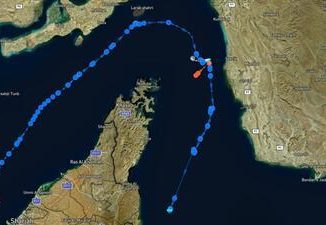
Beijing and other global capitals continue to watch closely, worried that escalation could disrupt global energy markets — particularly around the vital Strait of Hormuz — and spark a broader regional conflict.
Strategic Interpretation of the Threat
This moment reinforces the principle of peace through strength: firm red lines and credible pressure can deter nuclear proliferation and assert U.S. strategic resolve. Analysts argue that weakness in the face of Tehran’s nuclear ambitions could embolden adversaries and undermine global stability.
Still, debates persist about the risks of military escalation and the potential consequences for U.S. troops, regional allies, and long-term strategic interests.
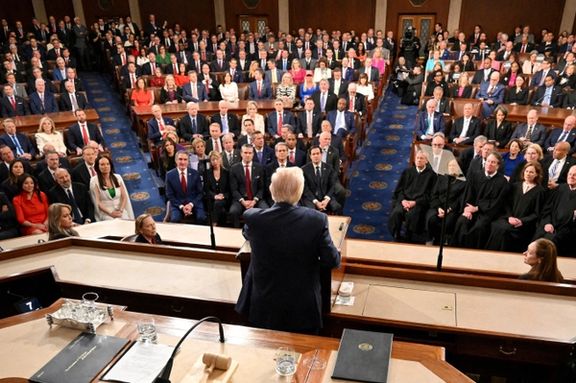
US President Donald Trump speaks during an address to a joint session of Congress at the US Capitol in Washington, DC, on March 4, 2025.
Iran’s Reaction: Resistance and Negotiating Signals
Iranian authorities have rejected the notion that limited strikes would be acceptable, stating that any military aggression would be treated as an act of war and met with decisive response. Tehran insists it is committed to negotiations but will not make concessions under coercion.
Within Iran, officials have prepared counterproposals intended to keep talks alive, signalling at least a willingness to discuss a negotiated settlement — even as hardline rhetoric intensifies on both sides.
Experts Warn of Complexity and Consequences
Analysts outside the immediate policy process caution that limited airstrikes might fail to achieve decisive outcomes, arguing that the Iranian political structure and military resilience would make quick results unlikely. Some experts also fear that military escalation could strengthen nationalist resistance rather than weaken Tehran’s strategic ambitions.
 Implications
President Trump’s red line on Iran carries significant implications for U.S. policy, national security, and global stability:
-
Restoring Deterrence
Firm deadlines and credible threats signal that the United States will not tolerate nuclear brinkmanship. This approach reinforces the idea that strength and clear boundaries help prevent escalation and maintain credibility with allies and adversaries alike. -
Balancing Diplomacy and Military Readiness
While diplomacy remains the first avenue, readiness for limited military action ensures that Tehran understands the seriousness of U.S. demands. The ability to back negotiations with credible consequences increases the likelihood of meaningful engagement without committing to full-scale conflict. -
Preventing Nuclear Proliferation
A nuclear-capable Iran could destabilize the Middle East and prompt other countries to pursue nuclear programs. Maintaining strict limits on enrichment and nuclear capability is critical to regional security and long-term nonproliferation goals. -
Global Strategic Signaling
Strong U.S. posture sends a message beyond Iran. Competitors and allies alike observe whether Washington enforces its red lines. Demonstrating resolve strengthens deterrence globally, including in relations with Russia, China, and North Korea. -
Domestic and Economic Considerations
Swift resolution through diplomatic pressure or limited strikes can prevent prolonged military engagements, protect U.S. personnel, and reduce disruptions to energy markets. Clear action also reassures domestic constituencies concerned about both national security and economic stability. -
Risk and Responsibility
The approach underscores a key challenge: acting decisively enough to deter threats while avoiding unnecessary escalation. Strategic patience and carefully measured responses are essential to minimizing unintended consequences while achieving security objectives.
 Overall Takeaway:
As nuclear negotiations with Iran continue to stall without clear breakthroughs, President Trump’s policy combines diplomatic engagement with firm deadlines and a clear willingness to consider military action should those negotiations fail. This delicate balance — between diplomacy and deterrence — marks one of the most significant tests of Trump’s foreign policy leadership, with implications that will reverberate across the Middle East and beyond for years to come.
SOURCES: JOE HOFT – President Trump Contemplates Next Steps with Iran – “I Am the One That Makes the Decision”
IRAN INTERNATIONAL – Trump’s State of the Union may test appetite for Iran strikes
TURKIYE TODAY – Iran shows ‘unbelievable level of flexibility’ on nuclear issue to prevent US war
REUTERS – White House says Trump’s first option on Iran is diplomacy