Published February 24, 2025
New York City’s mayor, Zohran Mamdani, has drawn sharp criticism after stating that deaths previously reported during a historic winter storm and deep freeze were not directly caused by weather conditions, but rather were “overdose‑related.” His remarks came as the city grappled with the aftermath of one of the largest snowstorms in recent memory and scrutiny of how City Hall handles homelessness and extreme winter weather.
Blizzard Hits NYC — No Deaths Reported So Far From Current Storm
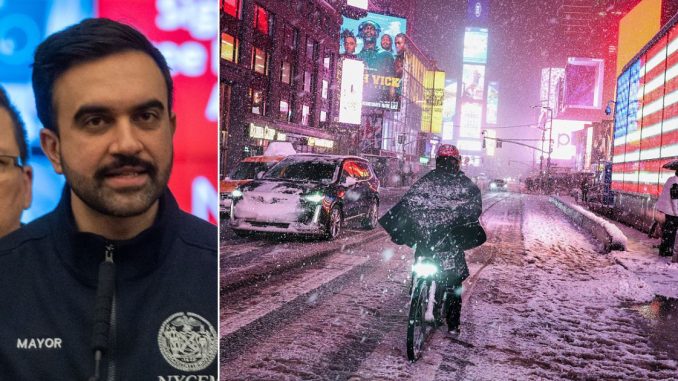
As a massive blizzard struck the region — with forecasts calling for up to two feet of snow and hurricane‑force wind gusts — Mayor Mamdani held press briefings stressing that, “as of now, we have no deaths reported from this blizzard from being outside or in a public area.” He credited expanded shelter outreach and emergency services for preventing loss of life during the ongoing storm.
The blizzard prompted a local state of emergency in New York City, a travel ban on non‑essential vehicles, and major efforts by city agencies to clear streets and keep emergency access open. Schools were kept open for in‑person learning once the worst of the storm passed, though hazardous travel advisories remained in place.

Mamdani has stood by his choice to only remove people as a last resort.
What Mayor Mamdani Said About Previous Deaths
When pressed on whether the city had changed its strategy for protecting people experiencing homelessness compared to earlier winter weather events, Mamdani responded by citing preliminary indications that several fatalities previously reported were due to overdoses, not weather exposure. He noted the city kept overdose prevention centers open throughout the storm and extended operational hours to better serve vulnerable residents.
His comments appeared to shift focus from weather-related causes to drug overdoses as contributing factors in earlier deaths — a point that has been widely debated in public discourse.

The Mamdani administration has faced heat for not doing enough to get people off the streets during the cold.
Numbers and Context From Earlier Cold Snap
Official figures from prior winter storms and sustained Arctic cold show a more complex picture:
-
In late January and early February, New York City experienced an extended deep freeze with temperatures well below freezing for more than a week. Preliminary reports from city officials indicated 16–19 people died outdoors during that cold stretch.
-
Autopsy results released by the city’s medical examiner later confirmed that the majority of outdoor deaths were caused by hypothermia due to environmental exposure, not solely overdoses — though some deaths involved drugs or alcohol.
-
A Western Journal/TGP‑linked article highlights Mamdani’s emphasis that none of the recent blizzard deaths were weather‑related, pointing critics to his comments distinguishing overdose factors from cold exposure.
Political and Public Reaction
Mamdani’s remarks have become politically polarizing:
-
Supporters of the mayor argue his administration’s concerted outreach efforts — including expanded shelter placements and keeping key services open overnight — helped prevent deaths during the latest storm.
-
Critics have accused Mamdani of downplaying the role of extreme weather and deflecting blame from broader policy issues, especially regarding homelessness and how the city manages housing and shelter outreach during life‑threatening conditions.
Public debate has intensified over whether New York should adopt more aggressive policies — such as involuntary shelter placements or mandatory indoor transport during extreme cold — or continue prioritizing voluntary support and services.
Broader Winter Weather Impact
While the current blizzard appears to have spared the city from additional deaths, New York is still recovering from the broader effects of winter:
-
Historic cold snaps earlier in the season contributed to dozens of fatalities before the blizzard, mostly linked to hypothermia and exposure among unhoused individuals.
-
Other cities and regions across the Northeast saw severe snow totals, transportation disruptions, and state emergency responses as part of the same storm system.
 Implications of Mayor Mamdani’s Comments from a Right‑Leaning Perspective
Mayor Mamdani’s assertion that recent deaths during the historic blizzard were “overdose-related” rather than weather-caused raises several concerns for those who emphasize personal responsibility and practical governance:
-
Accountability for Public Safety
Framing overdose deaths as separate from extreme weather risks can appear to shift responsibility away from city officials. Critics may argue that the administration should still take proactive measures to protect all residents during life-threatening conditions, particularly unhoused populations, rather than relying on voluntary compliance. -
Risk of Policy Deflection
By attributing fatalities primarily to overdoses, the mayor may be seen as downplaying structural issues, such as gaps in shelter availability, outreach effectiveness, or city preparedness for severe winter storms. Skeptics might question whether the administration is more focused on messaging than on tangible solutions. -
Encouraging Self-Reliance vs. Government Dependence
The situation underscores a broader tension: balancing emergency support with personal responsibility. Some may interpret the city’s reliance on voluntary sheltering and overdose prevention centers as insufficient, arguing that individuals must take responsibility for avoiding dangerous conditions, especially when resources are available. -
Potential for Misguided Policy Precedents
Highlighting overdose as the main factor in winter deaths could justify continued reliance on non-mandatory interventions during extreme weather. Critics worry this approach may unintentionally normalize exposure to preventable risks, rather than implementing stricter safety measures like mandatory shelters or targeted enforcement in life-threatening conditions. -
Public Trust and Transparency
When official statements appear to reframe or minimize the role of environmental hazards, it may erode public confidence in government reporting and crisis management. Accurate, transparent data is crucial to maintain trust and guide future emergency preparedness decisions.
 Overall Takeaway:
Mayor Mamdani’s comments highlighting overdoses over weather as the cause of recent deaths illustrate a tension between policy messaging and practical public safety. While the city has expanded shelters and services, critics see a need for clear accountability and enforceable protections during extreme weather. The debate underscores the importance of balancing government support with personal responsibility and preparedness, ensuring that life‑threatening conditions are not downplayed in public communications. Ultimately, the situation serves as a reminder that effective governance requires both proactive planning and honest reporting to maintain trust and safeguard the most vulnerable.
SOURCES: THE WESTERN JOURNAL – Mamdani’s NYC: Mayor Says Deaths During ‘Historic’ Blizzard Were ‘Overdose Related’ and Not Due to Weather Conditions
THE GATEWAY PUNDIT – Mamdani’s NYC: Mayor Says Deaths During ‘Historic’ Blizzard Were ‘Overdose Related’ and Not Due to Weather Conditions
THE NEW YORK POST – NYC medical examiner rules 15 people died of brutal cold outside during deep freeze