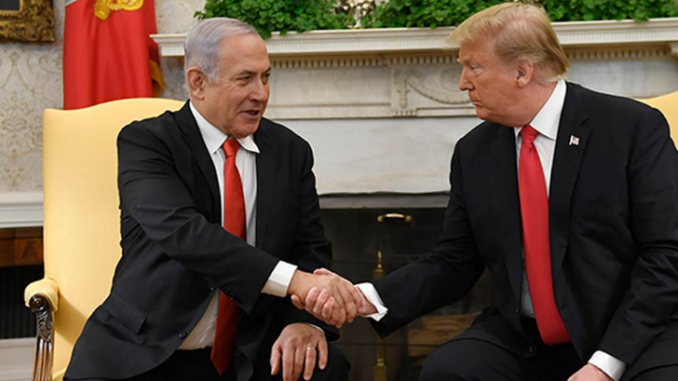
AP Photo/Susan Walsh
Published March 10, 2025
The U.S.-Iran conflict of 2026 has reignited global debate: is America’s military engagement motivated primarily by Israeli interests, or does it serve broader American national security objectives? The answer is complex, reflecting decades of geopolitical dynamics, strategic alliances, and regional calculations.
While Israel’s security concerns are undeniably a factor, multiple sources suggest that U.S. actions stem from longstanding strategic imperatives, including the deterrence of hostile regimes, protection of allies, and preservation of stability in a volatile region.
Historical Context: U.S., Iran, and Israel Relations
Understanding current tensions requires a brief review of U.S.-Iran-Israel history:
-
Iran and the U.S. were once allies under the Shah until the 1979 Islamic Revolution, after which Tehran adopted an explicitly anti-American stance. Hostility has persisted through events such as the U.S. embassy hostage crisis, support for proxy militias, and Iran’s nuclear ambitions.
-
Israel and the U.S. have maintained a strategic alliance since the 1960s. Israel provides intelligence and regional strategic leverage, while the U.S. offers military support, financial aid, and diplomatic backing.
-
Conflicts between Israel and Iran have intensified since 2000, especially over Iran’s nuclear program and regional influence in Syria, Lebanon, and Iraq. The U.S. has frequently positioned itself as Israel’s security guarantor while also pursuing its own strategic interests.
This historical backdrop frames current U.S. military actions not as a reaction to Israel alone but as part of a broader strategy to limit Tehran’s regional influence.
Shared Yet Distinct Objectives
Israel’s Perspective
Israel’s government sees Iran as a direct existential threat. Key objectives include:
-
Preventing Iran from achieving nuclear weapons capability, which could enable attacks against Israel or destabilize the Middle East.
-
Neutralizing Iran’s regional proxies, including Hezbollah and Hamas, which operate across Lebanon, Gaza, and Syria.
-
Maintaining military and strategic superiority, ensuring Israel remains the dominant conventional force in the region.
U.S. Perspective
The U.S. goals overlap with Israel’s in some areas but diverge in others:
-
Deterring aggression against American troops and allies in the Middle East.
-
Securing strategic waterways, such as the Strait of Hormuz, critical for global oil transport.
-
Maintaining global credibility, signaling to adversaries that hostile actions against U.S. interests will be met with force.
Experts note that while Israel benefits from U.S. involvement, Washington’s primary rationale appears self-interested, tied to defense, regional stability, and international credibility.
Shifting Rationales and Internal Debates
Reports show that U.S. officials have offered multiple, sometimes contradictory explanations for engaging Iran:
-
President Donald Trump emphasized Iranian missile threats and the necessity to protect U.S. personnel.
-
Secretary of State Marco Rubio claimed preemptive action was required to offset anticipated Israeli strikes, arguing that U.S. troops could be targeted otherwise.
-
Some lawmakers and analysts argue these accounts indicate a lack of transparent strategic reasoning, leaving the public uncertain whether the U.S. acted independently or in alignment with Israeli objectives.
The inconsistencies illustrate the complexity of U.S. decision-making and the challenge of disentangling allied influence from national security strategy.
 Implications
From the standpoint of preserving security, sovereignty, and regional stability, the U.S. engagement in Iran carries several key implications:
1. Strengthening Strategic Alliances
The conflict underscores the importance of loyal partnerships with nations that share democratic values and mutual defense interests. Supporting Israel and regional allies signals that the U.S. is committed to its obligations, deterring adversaries from testing American resolve.
2. Deterrence as a Global Signal
Military action against a hostile state like Iran sends a clear message to adversaries worldwide: threatening American forces, allies, or vital trade routes will have consequences. This reinforces the credibility of U.S. deterrence, which is essential to preventing larger conflicts in the future.
3. Protecting Economic Interests
Instability in the Middle East directly affects global energy markets. Taking decisive action to counter Iran’s aggressive capabilities helps stabilize supply routes for oil and gas, preserving the economic strength and security of the U.S. and its allies.
4. Preserving Regional Stability
By confronting Iran proactively, the U.S. aims to prevent the expansion of extremist influence across the Middle East. Weakening Iran’s ability to project power into neighboring states limits the spread of instability, which can otherwise threaten both regional and global security.
5. Upholding National Credibility
The ability to act decisively when faced with threats reinforces America’s role as a global leader. Hesitation or perceived weakness could embolden hostile states and non-state actors, undermining U.S. influence and leaving allies vulnerable.
In short, these actions are framed not merely as support for allies but as a calculated effort to defend American interests, uphold security, and maintain order in a volatile region.
6.Regional and Global Implications
The conflict’s effects extend far beyond Iran and Israel:
-
Military escalation: Airstrikes, drone attacks, and missile launches across multiple provinces have heightened the risk of broader regional war.
-
Economic consequences: Oil prices have surged due to instability in the Gulf, affecting inflation, global markets, and energy security worldwide.
-
Diplomatic tension: Neighboring countries and global powers, including China, Russia, and the EU, are balancing condemnation of military actions with attempts to mediate and prevent escalation.
Analysts warn that protracted conflict could reshape alliances, disrupt energy markets, and even trigger secondary conflicts in the region.
 Overall Takeaway:
The U.S.-Iran conflict is far more than a simple question of alliance loyalty; it is a reflection of strategic calculation, national defense, and global responsibility. While Israel’s security concerns intersect with American objectives, the driving force behind U.S. action lies in preserving its own security, economic stability, and regional influence.
By confronting Iran, the U.S. reinforces the credibility of its deterrence, strengthens partnerships with trusted allies, and signals that hostile actions against American forces or interests will not go unanswered. At the same time, these actions aim to contain regional instability, protect critical trade routes, and prevent the expansion of adversarial influence in the Middle East.
Ultimately, this conflict highlights the interconnected nature of modern geopolitics: decisions are rarely motivated by a single factor. They are shaped by historical context, strategic alliances, and the imperative to safeguard national interests. Understanding the U.S. role in Iran through this lens demonstrates that engagement is driven by a combination of security, deterrence, and responsibility, rather than the interests of any one ally alone.
SOURCES: REDSTATE – Why We Fight Iran – Is It for Israel?
ENGLISH NEWS – What to know about objectives of U.S., Israel and Iran in their military conflict?
THE NEW YORK POST – Rubio claims US knew Israel would attack Iran, acted to protect American troops from ‘imminent threat’
IRAN INTERNATIONAL – Iran says no room for ceasefire talks while military attacks continue
THE NATIONAL NEWS – Iran’s Foreign Minister rejects unconditional ceasefire and vows to fight until war ends