Published February 23, 2025
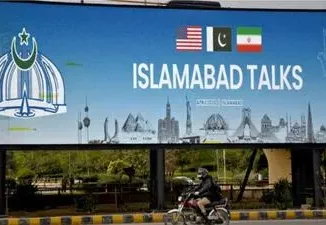
Iran has publicly signaled that it may offer significant concessions on its nuclear program in upcoming negotiations with the United States — but only if Washington agrees to meet a set of conditions that Tehran considers essential.
Tehran’s Offer: Concessions in Return for Sanctions Relief
A senior Iranian official, quoted by Reuters, said Tehran is prepared to consider steps that could ease international concerns about its uranium enrichment program — but only in exchange for the lifting of U.S. economic sanctions and formal recognition of Iran’s right to enrich uranium for peaceful purposes.
According to the official, the potential concessions could include:
-
Sending roughly half of Iran’s highly enriched uranium (HEU) stockpile abroad.
-
Diluting the remainder so it is less useful for weapons development.
-
Participating in the creation of a regional uranium enrichment consortium — an idea that has been discussed in diplomatic circles for years.
-
Opening Iranian oil and gas investment opportunities to U.S. companies.
The official framed these proposals as an effort to maintain diplomacy and avoid a possible military confrontation.
Sticking Points: Recognition and Sanctions
However, Tehran insists that such concessions must be matched by Washington’s willingness to:
-
Lift all economic sanctions on Iran, and
-
Officially acknowledge Iran’s right to nuclear enrichment.
Iran’s demand for recognition of its enrichment rights remains a central issue — and is fundamentally at odds with longstanding U.S. policy, which views extensive enrichment capacity as a potential pathway to nuclear weaponization.
Diplomatic Divide Widens
Reuters reports that the U.S. and Iran remain sharply divided on how sanctions relief should be structured and when it should occur — a major reason why recent rounds of indirect talks have made limited progress.
Iran rejected demands from Washington that it halt enrichment entirely or immediately give up its enriched uranium stockpile, while the U.S. has so far resisted full recognition of Iran’s enrichment rights without concrete limits and verification.
Context and Rising Tensions
The negotiations take place amid a backdrop of heightened regional tensions and strong U.S. pressure on Tehran. President Trump’s envoy to the talks, Steve Witkoff, expressed frustration that Tehran had not made more serious concessions even under heavy pressure, and warned that Iran could be close to the capability to refine weapons‑grade material if progress stalled.
In response, Iran insists the U.S. has not offered a reasonable timetable or roadmap for lifting sanctions — and that both sides must agree on a framework grounded in mutual interests.
 Implications of Iran’s Conditional Nuclear Concessions:
Iran’s statement that it will offer nuclear concessions only if the U.S. meets its demands carries significant strategic, diplomatic, and regional implications. While it may appear as a potential breakthrough, closer examination reveals several concerns and challenges.
1. Risk of Rewarding Coercive Diplomacy
If the U.S. were to comply with Iran’s demands — including lifting sanctions or formally recognizing Iran’s right to enrich uranium — it could set a precedent that strategic coercion and brinkmanship are effective tools in international negotiations. Iran has a history of using delays, threats, and public posturing to gain leverage, and responding with concessions could embolden similar behavior in the future.
2. Shift in Negotiation Leverage
By tying nuclear concessions to specific U.S. actions, Iran effectively reverses the balance of power in negotiations. This approach gives Tehran the upper hand, pressuring the U.S. to act first, which could weaken America’s negotiating position in future diplomatic or multilateral efforts, not just with Iran but with other countries observing the outcome.
3. Regional Security Concerns
Even if Iran agrees to certain concessions, allowing the country to retain enrichment capabilities or unfreezing significant funds could increase Tehran’s capacity to support proxy groups and regional militias, particularly in Lebanon, Yemen, and Syria. The flow of resources might strengthen Iran’s influence and heighten instability across the Middle East, complicating the security environment for neighboring countries and U.S. partners.
4. Verification and Compliance Challenges
Past experience shows that Iran has circumvented international agreements and concealed nuclear activities. Any deal must include robust, enforceable verification mechanisms, including frequent inspections and access to enrichment sites. Without such measures, there is a risk that Iran could continue nuclear development under the guise of compliance, undermining the goals of the negotiation.
5. Diplomatic and Global Precedents
Meeting Iran’s conditions without reciprocal concessions could signal to other nations that pressure and threats yield diplomatic gains, potentially encouraging similar tactics from countries like North Korea or Russia in unrelated negotiations. The international community is closely watching how the U.S. navigates these demands, and missteps could affect global perceptions of U.S. credibility.
6. Domestic and Political Implications
Negotiating a deal with these conditions carries implications at home. Rapidly lifting sanctions or offering recognition without clear, enforceable guarantees could spark domestic criticism for prioritizing diplomatic optics over security outcomes. It could also influence congressional support for future foreign policy initiatives and affect public confidence in the administration’s handling of national security issues.
 Overall Takeaway:
Iran’s conditional offer to provide nuclear concessions marks another complex chapter in a long-standing and high-stakes diplomatic struggle. While the announcement may appear to signal a willingness to negotiate, the reality is that Tehran is leveraging its nuclear program to extract concessions from the United States, creating significant strategic, regional, and diplomatic challenges.
Any potential deal must balance the desire to reduce nuclear risks with the need for strict verification, enforceable limits, and reciprocal concessions. Without these safeguards, concessions could inadvertently enhance Iran’s regional influence, empower proxy networks, and weaken global non-proliferation efforts.
Ultimately, the path forward requires a careful, deliberate approach that ensures diplomacy advances security objectives rather than rewarding coercion, preserves leverage in negotiations, and protects the stability of the Middle East. While Iran’s statements open a door for dialogue, the stakes remain high, and the consequences of missteps could reverberate far beyond the immediate negotiations.
SOURCES: BREITBART – Iran Claims Nuclear Concessions Will Be Offered – If U.S. Meets Its Demands
REUTERS – Tehran is ready for nuclear concessions if US meets demands, Iranian official says
THE ARAB WEEKLY – Iran and US to meet this week for talks, Tehran signals readiness for concessions