Published March 12, 2025
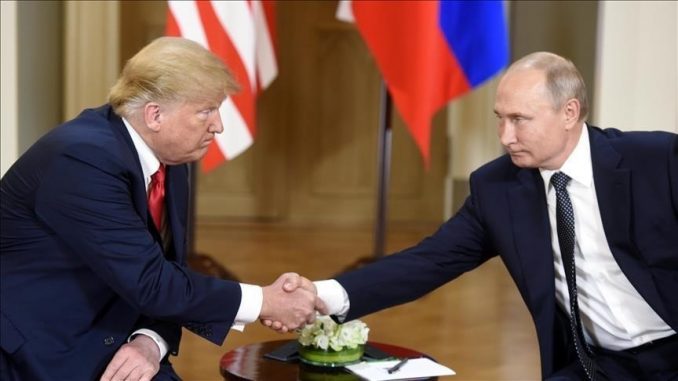
Russia has denied allegations that it is sharing intelligence with Iran about U.S. military assets, according to statements made following a recent phone call between U.S. President Donald Trump and Russian President Vladimir Putin. The issue emerged amid rising tensions in the Middle East and reports suggesting Moscow may have provided Tehran with targeting information related to U.S. forces in the region.
Putin Denies Intelligence Sharing
According to U.S. Special Envoy Steve Witkoff, Russian officials told Trump directly during the call that Moscow is not supplying Iran with intelligence about U.S. military positions. Witkoff said the Russians clearly stated they had not been sharing information on U.S. military assets with Tehran.
Witkoff later told CNBC that while the U.S. cannot independently verify the claim, the administration would “take them at their word.” He added, “Let’s hope that they’re not sharing.”
The message was reportedly repeated through additional diplomatic channels when Witkoff and Trump adviser Jared Kushner spoke with Kremlin aide Yuri Ushakov, who reiterated Moscow’s denial.
Background: Allegations of Russian Support to Iran
The issue surfaced after reports suggested Russia may have provided Iran with intelligence about U.S. military positions in the Middle East during the ongoing regional conflict. Such information could potentially help Iran target American forces or assets in the region.
Iran has acknowledged receiving assistance from Russia in various areas during the conflict, although officials did not specify whether intelligence about U.S. forces was included.
Ongoing Concerns in Washington
Despite Russia’s denial, U.S. officials say they remain cautious. Witkoff acknowledged that verifying the claim would ultimately depend on intelligence agencies rather than diplomatic assurances.
The conversation between Trump and Putin also reportedly touched on the broader regional conflict involving Iran and discussions related to Ukraine diplomacy.
Geopolitical Implications
If proven true, intelligence sharing between Russia and Iran could significantly escalate tensions between Washington and Moscow, particularly as U.S. forces remain active across the Middle East. For now, the Kremlin maintains that it is not assisting Iran with intelligence targeting U.S. assets.
 Public / Political Reactions
The reports surrounding the phone call between Donald Trump and Vladimir Putin quickly triggered reactions from political leaders, analysts, and members of the public, particularly regarding the credibility of Russia’s denial and the broader geopolitical implications.
Reactions in the United States
Some U.S. political figures expressed skepticism about Moscow’s assurances. Critics argued that Washington should verify the claims through intelligence channels rather than rely solely on diplomatic statements. They warned that if Russia were sharing information with Iran about U.S. military assets, it could place American troops and facilities in the Middle East at greater risk.
Others, however, supported the administration’s decision to engage directly with Moscow. Supporters said maintaining open communication between Trump and Putin could help reduce misunderstandings and prevent further escalation in an already tense geopolitical environment.
Russian Government Response
Officials in Russia strongly rejected the allegations, reiterating that Moscow is not providing Iran with intelligence regarding U.S. military positions. Russian representatives described the reports as speculation and emphasized that their government had already clarified the matter during diplomatic discussions with Washington.
Reactions from Analysts and International Observers
Foreign policy analysts noted that Russia and Iran have developed closer cooperation in recent years, especially in areas such as military coordination and regional strategy. Because of this relationship, some observers said the accusations were not surprising, though they emphasized that no public evidence has confirmed such intelligence sharing.
At the same time, experts warned that the situation could further complicate relations between the United States, Russia, and Iran, particularly if new intelligence emerges contradicting Moscow’s denial.
Public Debate and Media Coverage
The story quickly spread across international media outlets and social platforms, fueling debate among commentators and the public. Supporters of the Trump administration highlighted Russia’s explicit denial, while critics argued that greater transparency and independent verification were necessary.
The controversy underscores how sensitive intelligence-related allegations can become in a highly polarized global environment, where competing narratives often shape public perception before definitive evidence is released.
 Resulting Effects
The developments following the phone call between Donald Trump and Vladimir Putin could have several important consequences for U.S. foreign policy, global security, and diplomatic relations.
Renewed Focus on Direct Diplomacy
One immediate effect is the renewed emphasis on direct communication between world leaders. Supporters of the conversation argue that open dialogue between Washington and Moscow helps prevent misunderstandings that could escalate into larger conflicts. By speaking directly with Putin, Trump was able to address the allegations head-on and obtain a clear denial from the Russian government.
Advocates of this approach say direct diplomacy allows leaders to resolve sensitive issues faster than relying solely on public statements or media reports. They argue that maintaining open channels with major global powers remains critical in times of international tension.
Increased Scrutiny of Intelligence Claims
The reports also highlight the importance of verifying intelligence before drawing conclusions. Allegations that Russia might be sharing military information with Iran raised serious concerns, but officials acknowledged that such claims require confirmation through intelligence agencies.
Supporters of a cautious approach say premature accusations can inflame tensions unnecessarily and damage diplomatic efforts. They emphasize that national security decisions should be guided by verified intelligence rather than speculation or politically motivated narratives.
Pressure on U.S.–Russia Relations
Even with Moscow’s denial, the situation places additional pressure on relations between the United States and Russia. Any indication that American military positions were compromised would represent a major escalation and could trigger stronger responses from Washington.
However, proponents of continued engagement argue that maintaining dialogue with Russia is essential for managing global crises, including conflicts in the Middle East and Eastern Europe.
Impact on Middle East Stability
The controversy also draws attention to the broader regional dynamics involving Iran and U.S. military presence in the Middle East. If outside powers were perceived as assisting Iran in targeting American assets, it could heighten tensions and complicate ongoing security operations.
For now, the Russian government maintains that no intelligence sharing took place. The episode nonetheless illustrates how quickly geopolitical tensions can intensify when questions arise about military intelligence and alliances in an already volatile region.
 Future Outlook
Looking ahead, the developments surrounding the phone call between Donald Trump and Vladimir Putin are likely to shape ongoing discussions about U.S. foreign policy, national security, and the role of diplomacy in managing global tensions.
Continued Monitoring by U.S. Intelligence
American intelligence agencies will likely continue monitoring any potential cooperation between Russia and Iran. Ensuring the safety of U.S. military personnel and assets remains a top priority, and officials are expected to rely on verified intelligence rather than speculation when assessing threats.
At the same time, policymakers will likely insist on clear accountability if credible evidence ever emerges that American interests are being directly targeted through foreign cooperation.
Emphasis on Strength and Deterrence
Moving forward, many policymakers argue that maintaining a strong national defense and a clear deterrence strategy will remain essential. Demonstrating strength abroad, they say, reduces the likelihood that adversarial nations will test American resolve or attempt to undermine U.S. security interests.
Supporters of this approach contend that peace is best preserved when potential rivals understand that the United States is prepared to protect its forces and allies without hesitation.
Strategic Diplomacy with Global Powers
Despite tensions, maintaining communication with major world leaders is expected to remain an important tool for preventing escalation. Direct engagement between leaders such as Trump and Putin allows sensitive issues to be addressed quickly and privately before misunderstandings spiral into larger disputes.
Advocates of this strategy argue that diplomacy and strength are not mutually exclusive, but rather complementary tools in maintaining global stability.
Focus on American Interests
Ultimately, future policy decisions will likely center on protecting American personnel, safeguarding national security, and ensuring that international relationships serve the interests of the United States. Leaders in Washington are expected to continue balancing diplomatic engagement with firm responses to any actions that threaten U.S. forces or strategic interests.
As the situation evolves, the focus will remain on verifying facts, maintaining open lines of communication where necessary, and ensuring that American security remains the top priority in an increasingly complex global environment.
 Bottom Line
The reports surrounding the phone call between Donald Trump and Vladimir Putin have underscored the complexities of modern geopolitics and the importance of addressing serious allegations through direct diplomacy and verified intelligence. While Russia has firmly denied sharing sensitive information with Iran, the situation highlights how quickly speculation can escalate in an already tense international climate.
At the same time, the episode demonstrates the value of strong leadership and open communication between major powers. Direct dialogue between global leaders can help clarify misunderstandings, reduce the risk of miscalculation, and maintain stability during periods of uncertainty.
Moving forward, the priority for the United States will remain clear: protecting American personnel, safeguarding national security interests, and ensuring that foreign policy decisions are guided by facts rather than speculation. In a world where geopolitical rivalries continue to evolve, maintaining both strength and strategic engagement will remain essential to preserving stability and defending American interests.