Published March 24, 2026
Recent reports indicate that Iran has deployed naval mines into the Strait of Hormuz, a critical maritime chokepoint responsible for roughly 20% of global oil exports. This development raises urgent concerns for international trade, regional stability, and the security of commercial shipping lanes. The move is widely seen as a calculated attempt by Tehran to exert influence over the Persian Gulf while testing the resolve of the U.S. and its allies.
Understanding the implications requires a careful look at Iran’s strategy, regional dynamics, and the broader consequences for global security.
Deployment of Naval Mines
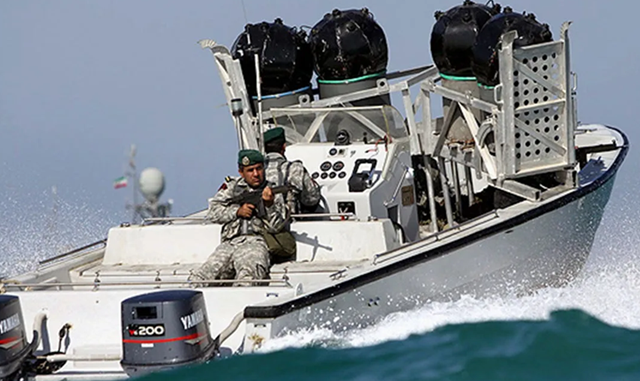
U.S. and allied sources report that Iran has laid a small number of naval mines — including bottom-moored and floating types — capable of disrupting commercial and military vessels transiting the strait.
Strategic Chokepoint
The Strait of Hormuz is a narrow passage connecting the Persian Gulf to the Gulf of Oman and the Arabian Sea, through which a substantial portion of the world’s crude oil and natural gas flows. Even a few mines can significantly slow or halt traffic, affecting energy markets globally.
Iran’s Signaling
Tehran claims “non-hostile” vessels may transit safely, but experts warn that mine deployments are inherently risky and can escalate tensions quickly, challenging freedom of navigation in international waters.
U.S. and Allied Countermeasures
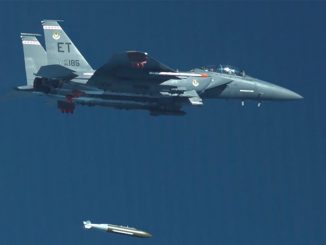
American and coalition forces are reportedly monitoring and targeting Iranian vessels capable of laying mines, emphasizing the importance of rapid response to maintain open sea lanes.
Economic and Security Implications
Mine threats can disrupt oil exports, increase insurance and shipping costs, and amplify volatility in global energy markets — potentially creating strategic leverage for Iran at the expense of global stability.
🔍 Analyst Insight:
From a strategic standpoint, Iran’s use of naval mines represents a classic asymmetric tactic designed to maximize impact with minimal cost:
- Force Multiplier: Mines are inexpensive, difficult to detect, and can halt or slow high-value shipping, demonstrating Tehran’s ability to challenge superior naval powers indirectly.
- Global Leverage: By threatening a vital international chokepoint, Iran can influence oil markets and regional politics without direct confrontation.
- Testing Coalition Resolve: Mine deployments serve as a measure of U.S. and allied readiness and willingness to respond, allowing Iran to gauge strategic limits.
- Deterrence and Messaging: The presence of mines signals Tehran’s capability to retaliate, potentially deterring opposing forces while maintaining plausible deniability.
These insights suggest that Iran’s naval mine strategy is deliberate, calculated, and aimed at strengthening its negotiating position while exerting pressure on both regional and global actors.
👥 Human Element:
While the focus is often on strategy and politics, the deployment of mines has tangible consequences for individuals and communities:
- Merchant Mariners and Crew: Commercial crews face heightened risk navigating mined waters, with potential loss of life or vessel damage.
- Regional Civilians: Any disruption to shipping affects energy prices, which can translate to higher costs for fuel, electricity, and goods, directly impacting households.
- Military Personnel: U.S., U.K., and allied forces operating in the region are put at risk during mine-clearing and patrol operations, creating human stakes behind strategic calculations.
Understanding these human realities underscores the importance of careful, measured responses that protect lives while safeguarding strategic interests.
♟️ Strategic Perspective: Prioritizing National and Global Security
From a viewpoint focused on practical strategy and national interest:
- Protect Critical Infrastructure: Ensuring the Strait of Hormuz remains open is essential for global energy security.
- Respond with Strength and Precision: Military action should target the capabilities that threaten freedom of navigation while minimizing escalation.
- Leverage Coalition Support: Coordinated U.S. and allied responses amplify deterrence and reduce the likelihood of miscalculation.
- Maintain Strategic Patience: Actions must balance immediate threats with long-term stability, avoiding unnecessary entanglements.
- Signal Resolve: Demonstrating readiness and capability reinforces deterrence and discourages further provocations.
🎯 Conclusion:
Iran’s deployment of naval mines in the Strait of Hormuz represents a calculated escalation with significant geopolitical and economic implications. By threatening a critical energy corridor, Tehran risks disrupting global oil and gas supplies, creating instability in markets worldwide, while testing the resolve of the U.S. and its allies. This asymmetric tactic demonstrates Iran’s ability to leverage minimal resources for maximum strategic effect, challenging naval superiority and freedom of navigation in one of the world’s most vital maritime chokepoints. The human stakes are equally high, with commercial crews, military personnel, and civilians potentially affected by energy disruptions and heightened tensions. A measured yet decisive response is essential to maintain open shipping lanes, protect global energy markets, and reinforce coalition deterrence. At the same time, strategic patience, coordinated action with allies, and clear messaging are critical to ensure that Iran cannot exploit the situation to gain leverage or intimidate the international community. In such high-stakes scenarios, strength, prudence, and foresight are indispensable to safeguarding both national and global interests.
SOURCES: BREITBART – Iran Has Laid Small Number of Naval Mines Into Strait of Hormuz, Challenging Peace Talks: Report
IRAN INTERNATIONAL – US says Iran mined Hormuz Strait, Tehran says ‘no need’ to do that