
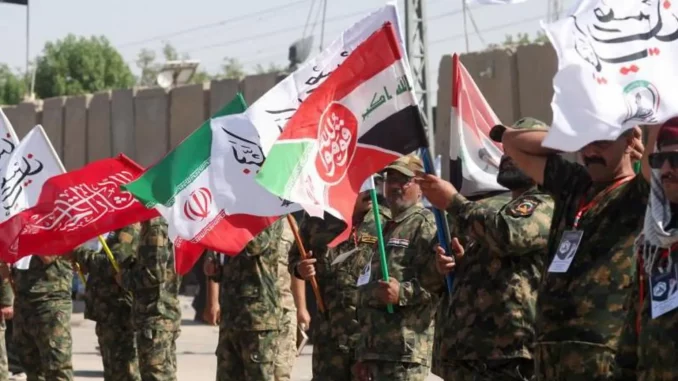
The US and Iran have continued to exchange fire as negotiations stall
Published July 16, 2026
Iran launched a new wave of missile and drone attacks targeting U.S. military facilities in Jordan, Kuwait, and Bahrain on Thursday, marking another significant escalation in the rapidly expanding confrontation between Tehran and Washington. The attacks came just hours after the United States carried out another round of airstrikes against Iranian military infrastructure, extending operations deeper into Iranian territory.
Iranian state media said the operation targeted radar installations, Patriot air-defense systems, fuel storage facilities, communications infrastructure, and command centers used by U.S. forces and their regional partners.
According to Iranian officials, the strikes were conducted in retaliation for the latest U.S. attacks on military targets around Tehran, Semnan Province, Bandar Abbas, Qeshm Island, and Chabahar, which American officials said were aimed at reducing Iran’s ability to threaten commercial shipping and regional security.
Coordinated Missile and Drone Assault
Iran’s Islamic Revolutionary Guard Corps (IRGC) announced that it launched multiple waves of ballistic missiles against a U.S. air base in Jordan while Iranian military forces simultaneously deployed drones targeting American military facilities in Kuwait and Bahrain.
Iranian military statements claimed the attacks focused on:
- Radar installations
- Patriot air-defense systems
- Fuel storage facilities
- Military communications infrastructure
- Operational command centers
Iran described the strikes as a direct response to continued U.S. military operations inside Iranian territory.
Kuwait and Bahrain Activate Air Defenses
Authorities across the Gulf quickly responded as incoming missiles and drones approached.
Kuwait’s military announced that its air-defense systems successfully engaged what it described as hostile drones, with explosions heard as interception systems were activated. Officials urged residents to remain calm while security forces responded to the aerial threats.
In neighboring Bahrain, officials activated nationwide air-raid warnings as defensive systems prepared to intercept incoming threats. Emergency alerts were issued while military personnel monitored the evolving situation around U.S. military installations located in the kingdom.
Jordan also reported heightened military activity as its security forces tracked and responded to missiles directed toward areas hosting American military facilities.
U.S. Expands Military Campaign
The Iranian retaliation followed another major U.S. military operation that expanded airstrikes deeper into northern and central Iran.
According to U.S. Central Command (CENTCOM), American aircraft struck command centers, air-defense systems, missile and drone capabilities, coastal surveillance facilities, and additional military targets in several provinces, including areas around Tehran and Bandar Abbas. Officials said the objective was to reduce Iran’s ability to threaten commercial shipping through the Strait of Hormuz and protect U.S. forces operating in the region.
The United States also reported taking action against a vessel it accused of attempting to breach the recently reimposed naval blockade surrounding Iran.
 Smoke rises in Chabahar, Iran, in this screengrab taken from a social media video, released on July 15, 2026 [Social media via Reuters]
Strait of Hormuz Remains at the Center of the Crisis
As military operations intensified, Iranian officials reiterated that the Strait of Hormuz remains a strategic “red line.”
Tehran warned that any continued effort by the United States to control or interfere with maritime traffic through the vital waterway would be met with further resistance. Iranian leaders also warned neighboring countries against supporting American military operations, saying regional infrastructure could become targets if the conflict continues to escalate.
The Strait of Hormuz remains one of the world’s most important oil shipping routes, carrying a significant portion of global crude oil exports. Continued fighting has fueled concerns about energy supplies, shipping security, and global economic stability.
Regional Tensions Continue to Rise
The latest exchange marks the fifth consecutive day of direct military confrontation between the United States and Iran.
Regional governments have maintained heightened military readiness as the conflict increasingly affects neighboring countries hosting American military forces. Defense analysts warn that continued exchanges could increase the risk of a broader regional war involving additional state and non-state actors.
International leaders continue calling for restraint, while diplomatic efforts remain focused on preventing further escalation. However, with both Washington and Tehran maintaining aggressive military postures, prospects for immediate de-escalation remain uncertain.
👥 Public / Political Reactions:
🇮🇷 Iranian Government
Iranian officials described the missile and drone attacks as a legitimate response to recent U.S. military strikes inside Iran.
- The Islamic Revolutionary Guard Corps (IRGC) said it targeted U.S. military facilities and strategic infrastructure in Jordan, Kuwait, and Bahrain.
- Iranian state media claimed the operation focused on radar systems, Patriot air-defense batteries, fuel storage facilities, communications infrastructure, and command centers.
- Tehran reiterated that it would continue defending its sovereignty and warned that further U.S. military operations could trigger additional retaliation.
- Iranian officials also warned that the Strait of Hormuz remains a strategic “red line” and cautioned regional countries against assisting U.S. military operations.
➡️ Position: Iran says its attacks were defensive retaliation and warns that continued U.S. military action will be met with further responses.
🇺🇸 United States
The United States condemned the Iranian attacks while reaffirming its commitment to protecting American personnel and allies.
- U.S. defense officials said American forces remain fully prepared to defend military installations across the region.
- Washington maintains that recent strikes inside Iran were aimed at degrading military capabilities that threaten U.S. forces and international shipping.
- The Trump administration continues warning that additional military action remains possible if Iran persists in attacking American interests.
- U.S. officials continue coordinating closely with regional allies following the latest missile and drone attacks.
➡️ Position: The United States says it will continue defending its forces while maintaining military pressure on Iran if attacks continue.
🇯🇴🇰🇼🇧🇭 Jordan, Kuwait, and Bahrain
The governments hosting U.S. military facilities immediately activated emergency security measures.
- Jordan increased military readiness while monitoring incoming missiles and protecting strategic installations.
- Kuwait reported intercepting hostile drones using its air-defense systems and urged the public to remain calm.
- Bahrain activated nationwide air-raid warnings and coordinated defensive measures around military facilities hosting U.S. personnel.
- Officials from all three countries continue assessing potential damage while strengthening regional security cooperation.
➡️ Position: Regional allies are prioritizing the protection of civilians, military personnel, and critical infrastructure while remaining on heightened alert.
🇮🇱 Israeli Government
Israel continues closely monitoring developments as regional tensions intensify.
- Israeli defense officials remain on heightened alert for possible additional Iranian or proxy attacks.
- Security agencies continue coordinating with the United States and regional partners.
- Israeli leaders have reiterated their commitment to countering threats posed by Iran and its regional allies.
➡️ Position: Israel views the expanding conflict as a major regional security challenge requiring continued military preparedness.
🌍 International Community
Governments and international organizations have renewed calls for restraint.
- Several countries urged both Washington and Tehran to avoid further escalation.
- Diplomatic efforts continue to focus on preventing the conflict from expanding into a wider regional war.
- International observers remain concerned about risks to global energy supplies, commercial shipping, and civilian safety.
➡️ Position: The international community is urging immediate de-escalation while encouraging renewed diplomatic engagement.
👥 Public Response
Public reaction across the region has reflected growing concern over the expanding conflict.
- Residents in Jordan, Kuwait, and Bahrain experienced air-raid alerts and increased military activity.
- Many expressed concern about the possibility of additional missile and drone attacks.
- Global financial and energy markets continued reacting cautiously amid fears of prolonged instability around the Strait of Hormuz.
➡️ Position: Public concern continues to grow as the conflict spreads beyond Iran and directly affects neighboring countries.
🏛️ Broader Political Impact
The latest Iranian attacks represent another major escalation in the ongoing confrontation between Tehran and Washington.
- The conflict has increasingly drawn neighboring countries into the crisis because of their role in hosting U.S. military facilities.
- Analysts warn that repeated retaliatory strikes increase the risk of miscalculation and a broader regional conflict.
- Governments worldwide are closely monitoring whether diplomatic efforts can prevent further escalation.
➡️ Position: The widening exchange of military strikes underscores the growing risk that the conflict could evolve into a larger Middle East confrontation if both sides fail to de-escalate.
⚠️ Resulting Effects:
Iran’s latest missile and drone attacks against U.S. military facilities in Jordan, Kuwait, and Bahrain have significantly heightened tensions across the Middle East. The strikes, carried out in response to continued U.S. military operations inside Iran, have expanded the geographical scope of the conflict and raised fresh concerns over regional security, global energy supplies, and the possibility of a broader war.
1. Regional Conflict Continues to Expand
The latest attacks demonstrate that the confrontation is no longer confined to U.S. strikes inside Iran.
⚔️ Iran extended its retaliation by targeting U.S. military facilities located in neighboring countries.
🛡️ Jordan, Kuwait, and Bahrain immediately activated emergency defense measures and heightened military readiness.
🌍 Regional governments continue preparing for the possibility of additional cross-border attacks.
➡️ Result: Expanded battlefield → growing regional security concerns across the Middle East.
2. U.S. and Allied Forces Strengthen Defenses
The attacks have prompted additional defensive measures throughout the region.
🎯 Air-defense systems were activated to intercept incoming missiles and drones.
✈️ U.S. military installations increased security while monitoring for additional threats.
🤝 American forces continue coordinating closely with regional allies to strengthen defensive operations.
➡️ Result: Increased military readiness → stronger defensive posture across U.S. bases and allied nations.
3. Risks to Commercial Shipping and Energy Markets Increase
The conflict continues to threaten one of the world’s most important energy corridors.
🛢️ Continued fighting has increased concerns about oil exports through the Strait of Hormuz.
🚢 Commercial shipping companies remain on heightened alert due to potential security risks.
📈 Global energy markets continue reacting cautiously as uncertainty surrounding regional stability grows.
➡️ Result: Escalating hostilities → continued volatility for global energy markets and maritime trade.
4. Diplomatic Efforts Face Greater Challenges
The exchange of retaliatory strikes has made diplomatic progress more difficult.
🤝 International leaders continue urging both sides to exercise restraint and avoid further escalation.
🌐 Governments remain engaged in diplomatic efforts aimed at preventing a wider regional war.
📖 Analysts warn that continued military operations could narrow opportunities for future negotiations.
➡️ Result: Ongoing retaliation → increased pressure on diplomatic efforts to prevent broader conflict.
5. Civilian Preparedness and Security Measures Intensify
Communities across several Middle Eastern countries have experienced heightened security precautions.
🚨 Air-raid warnings and emergency alerts were activated in areas hosting U.S. military facilities.
🏥 Emergency response agencies and civil defense organizations remain on standby.
👨👩👧👦 Residents continue monitoring official advisories as governments prepare for possible additional attacks.
➡️ Result: Heightened security measures → increased public vigilance and emergency preparedness.
6. The Risk of Broader Regional Escalation Remains High
Military analysts continue warning that the conflict could widen if retaliatory attacks persist.
⚖️ Additional strikes by either side could draw more countries or regional armed groups into the confrontation.
🛡️ Governments throughout the Middle East remain on heightened military alert.
🌍 International observers continue monitoring whether diplomatic efforts can slow the cycle of retaliation before it expands further.
➡️ Result: Continued military exchanges → elevated risk of a broader regional conflict affecting security, diplomacy, and global stability.
🔮 Future Outlook:
The latest Iranian missile and drone attacks against U.S. military facilities in Jordan, Kuwait, and Bahrain have further intensified one of the most volatile security crises in the Middle East in recent years. With both Washington and Tehran continuing military operations, the coming days will likely determine whether the conflict expands further or whether diplomatic efforts can slow the cycle of retaliation.
1. Additional Military Strikes Remain Possible
Neither the United States nor Iran has indicated a willingness to suspend military operations.
🎯 U.S. forces are expected to remain on high alert and may launch additional strikes if American personnel or regional allies are threatened.
🚀 Iran has warned it will continue responding to attacks against its territory and strategic assets.
🛡️ Military commanders on both sides continue preparing for possible further escalation.
➡️ Outlook: Continued military operations → additional retaliatory strikes remain a strong possibility.
2. Regional Allies Will Maintain Heightened Security
Countries hosting U.S. military forces are expected to remain on elevated alert.
⚔️ Jordan, Kuwait, and Bahrain are likely to strengthen air-defense capabilities and security around key military installations.
✈️ Regional governments may increase intelligence sharing and joint military coordination with U.S. forces.
🚨 Civil defense agencies are expected to maintain emergency preparedness in case of additional attacks.
➡️ Outlook: Sustained regional vigilance → heightened security measures are likely to continue.
3. Strait of Hormuz Will Remain a Strategic Flashpoint
The vital shipping corridor is expected to remain central to the conflict.
🛢️ Iran continues describing the Strait of Hormuz as a strategic “red line.”
🚢 U.S. and allied naval forces are expected to continue protecting commercial shipping and maintaining freedom of navigation.
📈 Global energy markets will closely monitor any disruption that could affect oil exports and international trade.
➡️ Outlook: Ongoing maritime tensions → continued uncertainty for global energy supplies and shipping.
4. Diplomatic Channels May Remain Open Despite the Fighting
Although military exchanges continue, efforts to reduce tensions have not completely ended.
🤝 International mediators are expected to continue encouraging direct or indirect dialogue between Washington and Tehran.
🌍 Several governments are likely to press both sides to avoid actions that could trigger a wider regional war.
📖 Humanitarian communication and backchannel diplomacy may continue even if military operations persist.
➡️ Outlook: Limited diplomatic engagement → opportunities for de-escalation remain possible but fragile.
5. Risk of Wider Regional Involvement Continues to Grow
The conflict increasingly affects countries beyond the United States and Iran.
⚖️ Additional attacks on U.S. bases or allied infrastructure could draw more regional governments into the crisis.
🛡️ Armed groups aligned with Iran or other regional actors may become more active if hostilities continue.
🌍 Security analysts warn that prolonged retaliation increases the risk of a broader Middle East conflict.
➡️ Outlook: Expanding regional involvement → higher potential for a wider and more complex confrontation.
6. The Coming Days Could Shape the Direction of the Crisis
Military and political decisions made by both governments will be critical.
🏛️ Washington and Tehran face increasing international pressure to prevent further escalation.
📊 Global markets, regional allies, and diplomatic partners will closely monitor every major military or political development.
🌐 Whether the conflict moves toward renewed diplomacy or deeper confrontation will largely depend on the actions taken by both sides in the days ahead.
➡️ Outlook: The next phase of the crisis will likely determine whether the Middle East experiences gradual de-escalation or a prolonged period of intensified military conflict.
🧩 Bottom Line:
Iran’s latest missile and drone attacks against U.S. military facilities in Jordan, Kuwait, and Bahrain mark another major escalation in the rapidly expanding confrontation between Tehran and Washington. Coming in response to recent U.S. airstrikes inside Iran, the attacks demonstrate that the conflict is no longer limited to the territory of the two nations but is increasingly affecting neighboring countries that host American military forces.
Although regional air-defense systems intercepted some of the incoming threats and officials continue assessing the full extent of the damage, the exchange has heightened concerns that continued retaliation could draw additional countries and armed groups into the conflict. The renewed focus on the Strait of Hormuz, one of the world’s most critical energy corridors, has also intensified worries about global oil supplies, commercial shipping, and economic stability.
Despite continued international calls for restraint and diplomacy, neither side has shown signs of backing down. Both the United States and Iran have maintained that they are acting in defense of their national security interests while warning of further action if attacks continue.
➡️ Bottom Line: The latest Iranian strikes underscore how quickly the U.S.-Iran confrontation is evolving into a broader regional security crisis. With both sides continuing military operations and neighboring countries increasingly drawn into the conflict, the coming days will be critical in determining whether diplomacy can slow the cycle of retaliation or whether the Middle East moves closer to a wider and more dangerous war.
SOURCES: EURONEWS – Iran launches retaliatory attacks on US bases in Kuwait, Bahrain and Jordan
AL JAZEERA – US strikes Iran, tanker, as Tehran hits Kuwait, Jordan: What’s the latest
IRAN WIRE – Iran Targets US Military Bases Across 3 Countries in Retaliatory Attack




