Published July 29 , 2026
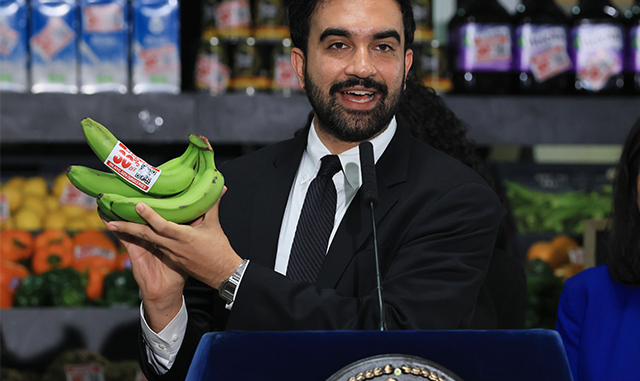
NEW YORK — New York City Mayor Zohran Mamdani’s proposal to establish five city-backed grocery stores has sparked a heated debate over food affordability, taxpayer spending, and the role of government in the retail market.
The plan, announced as part of the mayor’s affordability agenda, would create one publicly supported grocery store in each of New York City’s five boroughs. According to City Hall, the stores would aim to reduce grocery costs by offering approximately 30% discounts on staple items such as meat, produce, dairy, and other essential foods. The city would lease storefronts and cover certain operating costs, while private operators would manage the stores’ day-to-day operations.
Supporters Say the Plan Could Improve Food Affordability
Supporters argue that the initiative is designed to help working families facing persistent food inflation and high living costs.
City officials say the stores would focus on essential groceries and would not sell products such as alcohol, cigarettes, hot prepared foods, or lottery tickets, an approach they say is intended to reduce direct competition with neighborhood bodegas.
Advocates also contend that government-supported grocery stores could improve access to affordable food in underserved neighborhoods while encouraging greater price competition.
Critics Warn of Market Distortion
The proposal has drawn criticism from business groups, economists, and conservative commentators.
An immigrant-led coalition of small business organizations has announced plans to challenge the program in court, arguing that taxpayer-funded grocery stores receiving government support would compete unfairly with independently owned supermarkets and bodegas that must pay commercial rents and operating expenses.
Opinion writers at Breitbart and The Gateway Pundit argue that government subsidies do not reduce the true cost of food but instead shift those costs to taxpayers. They also contend that publicly supported stores could place additional financial pressure on small businesses already operating on narrow profit margins. These arguments represent the views of those outlets and are not established facts.
Questions Over Costs and Long-Term Impact
Fiscal watchdogs have also called for a more detailed evaluation of the program’s long-term costs and effectiveness.
Some analysts say additional information is needed regarding operating expenses, funding sources, and how the city plans to measure whether the initiative successfully lowers grocery costs without negatively affecting existing retailers.
Supporters counter that public investment in food access could deliver broader economic and public health benefits if implemented successfully.
A Broader Debate on Government’s Role
The proposal has become part of a larger national discussion about whether local governments should intervene more directly in essential consumer markets during periods of elevated living costs.
Supporters see the initiative as an innovative approach to affordability, while opponents argue that expanding government involvement in retail could create unintended economic consequences and discourage private investment.
As New York moves forward with planning, the proposal is expected to face continued political scrutiny, legal challenges, and public debate before any stores open.
👥 Public / Political Reactions:
🏛️ Mayor Zohran Mamdani and New York City Officials
Mayor Zohran Mamdani has defended the proposal as a practical response to rising grocery prices and the cost-of-living crisis facing many New Yorkers.
- Mamdani said the city-backed stores are intended to make staple foods more affordable, with discounts of about 30% on essential items.
- He emphasized that the stores would not sell products such as alcohol, cigarettes, hot prepared foods, or lottery tickets in an effort to avoid directly competing with neighborhood bodegas.
- City officials say the initiative is designed to improve food access while private operators handle day-to-day store management.
➡️ Position: City Hall argues the program is an affordability measure aimed at helping working families rather than replacing private grocery businesses.
🛒 Small Business and Grocery Groups
Business organizations representing independent grocers and bodegas have voiced strong opposition to the proposal.
- The Multicultural Business Coalition (MBC) announced plans to challenge the program in court, arguing that taxpayer-supported grocery stores would create unfair competition for privately owned businesses.
- The coalition says subsidized stores operating with city support could threaten the viability of neighborhood supermarkets and bodegas already facing rising costs.
- Some business owners have warned that significantly discounted prices could divert customers away from independent retailers.
➡️ Position: Opponents argue the plan could disadvantage small businesses and distort competition in the grocery market.
📊 Budget and Policy Analysts
Fiscal analysts and policy organizations have called for additional review before the program is implemented.
- The Citizens Budget Commission has urged the city to release a more comprehensive analysis of the program’s costs, expected benefits, and potential impact on existing grocery stores.
- Analysts have questioned whether subsidizing grocery stores is the most effective way to address food affordability compared with other policy options.
➡️ Position: Independent budget experts support greater transparency and evaluation before taxpayer funds are committed.
📰 Media and Political Commentary
The proposal has generated sharply divided commentary across the political spectrum.
- Conservative opinion outlets such as Breitbart and The Gateway Pundit argue that government-supported grocery stores could lead to market distortions, higher taxpayer costs, and supply challenges. These are opinion arguments rather than established facts.
- Supporters of the proposal counter that government intervention may be justified if it helps reduce grocery costs and improves access to affordable food in underserved communities.
➡️ Position: The proposal has become a broader ideological debate over the appropriate role of government in addressing affordability.
👥 Public Response
Reaction among New Yorkers has been mixed.
- Some residents have welcomed efforts to reduce grocery prices amid persistent inflation and high living costs.
- Others have expressed concern that publicly supported grocery stores could negatively affect locally owned businesses and alter competition in neighborhood retail markets.
- Public discussion has largely focused on whether the program can lower food costs without creating unintended economic consequences.
➡️ Position: Public opinion remains divided between those prioritizing affordability and those concerned about the impact on private enterprise.
⚠️ Resulting Effects:
Mayor Zohran Mamdani’s proposal to establish city-backed grocery stores has already generated significant political, economic, and legal debate. While the stores have not yet opened, the plan has prompted discussions about food affordability, taxpayer funding, and the role of government in the retail marketplace.
1. Debate Over Food Affordability Intensified
The proposal has renewed discussions over how governments should address rising grocery prices.
🛒 Supporters argue that city-backed grocery stores could help reduce the cost of staple foods for working families.
💵 Critics contend that subsidizing grocery stores shifts operating costs to taxpayers rather than reducing the actual cost of food.
📈 The proposal has become part of a broader national conversation about affordability and inflation.
➡️ Result: The initiative has intensified debate over the best approach to lowering grocery costs.
2. Legal Challenges Are Emerging
Business organizations have begun preparing legal action against the proposal.
⚖️ The Multicultural Business Coalition has announced plans to challenge the city’s grocery store program, arguing that taxpayer-supported stores could create unfair competition.
🏪 Independent grocery owners say they are concerned about competing with stores receiving public financial support.
➡️ Result: The proposal is expected to face legal and regulatory scrutiny before full implementation.
3. Small Business Concerns Have Increased
Many neighborhood grocers and bodegas have expressed concern about the potential economic impact.
🏬 Business owners argue that government-supported pricing could reduce customer traffic to privately owned stores.
📉 Some retailers worry the program could affect already thin profit margins in the grocery industry.
🤝 City officials maintain that the stores are designed to complement—not replace—existing neighborhood businesses.
➡️ Result: The proposal has heightened tensions between City Hall and some small business groups.
4. Public Discussion Has Expanded
The proposal has become a widely discussed political issue beyond New York City.
📰 Media coverage has highlighted differing views on government intervention in the economy.
👥 Residents have expressed a range of opinions, with some welcoming efforts to lower food prices and others questioning the use of taxpayer funds.
🏛️ The issue has become part of broader debates about public policy and the role of local government.
➡️ Result: Public attention has expanded beyond grocery prices to larger questions about economic policy.
5. Greater Focus on Program Costs
Budget experts and policy analysts are seeking additional information about the initiative.
📊 Questions remain about startup costs, operating expenses, long-term funding, and how success would be measured.
💰 Some analysts have called for additional financial analysis before public funds are committed.
➡️ Result: Fiscal oversight and transparency have become central issues in evaluating the proposal.
6. Political Divisions Have Become More Visible
The grocery store proposal has become a prominent political issue.
🗳️ Supporters describe the initiative as an innovative way to improve food access and affordability.
⚖️ Opponents argue that expanding government involvement in retail markets could create unintended economic consequences.
📢 The differing views have reinforced broader ideological debates over economic policy and government intervention.
➡️ Result: The proposal has become a focal point in ongoing political discussions about public spending and market competition.
7. Future Implementation Remains Uncertain
Although the proposal has received significant attention, several steps remain before any stores open.
🏗️ Planning, funding, legal review, and operational decisions will influence whether and how the program moves forward.
📋 The final scope of the initiative may change as city officials respond to public feedback, legal challenges, and budget considerations.
➡️ Result: The program remains in the planning stage, with its long-term impact depending on future policy decisions and implementation.
🔮 Future Outlook:
The future of New York City’s proposed government-backed grocery stores will likely depend on political negotiations, legal challenges, funding decisions, and public support. While supporters view the initiative as a new approach to improving food affordability, critics argue that significant economic and legal questions remain unresolved.
1. Legal Challenges Could Shape the Program
The proposal is expected to face continued legal scrutiny before implementation.
⚖️ Business organizations opposing the plan are preparing legal action, arguing that taxpayer-supported grocery stores could create unfair competition.
📜 Court rulings or regulatory reviews could influence how the program is structured or whether portions of it move forward.
➡️ Outlook: Legal proceedings may become one of the biggest factors determining the program’s future.
2. Budget and Funding Decisions Will Be Closely Watched
City leaders will need to determine how the grocery stores will be financed and operated.
💰 Policymakers are expected to examine startup costs, long-term operating expenses, and potential taxpayer obligations.
📊 Budget analysts will likely continue evaluating whether the program can achieve its affordability goals while remaining financially sustainable.
➡️ Outlook: Funding and fiscal oversight will remain central to the debate.
3. Public Support May Influence Expansion
The initiative’s future could depend heavily on how New Yorkers respond.
🛒 If residents view the stores as improving access to affordable food, support for expanding the program could grow.
👥 Conversely, concerns from neighborhood businesses and taxpayers may influence future policy discussions.
➡️ Outlook: Public opinion is likely to play an important role in determining whether the initiative expands beyond its initial locations.
4. Impact on Local Grocery Businesses Will Be Monitored
Officials and business groups are expected to closely track how the program affects existing retailers.
🏪 Independent grocery stores and bodegas will likely continue expressing concerns about competition from publicly supported stores.
📈 City officials have said they intend to evaluate the program’s economic impact and make adjustments if necessary.
➡️ Outlook: The relationship between the city-backed stores and private retailers will remain under close observation.
5. The Proposal Could Influence Other Cities
If implemented, New York’s initiative may attract attention from policymakers elsewhere.
🌎 Other cities facing affordability and food-access challenges may study the program as a possible model.
⚖️ At the same time, critics and supporters alike are expected to use the results to support their differing views on government involvement in retail markets.
➡️ Outlook: The program could become a national case study for future food policy initiatives.
6. Political Debate Is Likely to Continue
The grocery store proposal has become part of a broader discussion about the role of government in addressing economic challenges.
🗳️ Supporters argue that innovative public programs are needed to reduce living costs.
📢 Opponents contend that market-based solutions would be more effective and place fewer burdens on taxpayers.
➡️ Outlook: The proposal is expected to remain a prominent issue in New York’s political and economic debates.
7. Success Will Depend on Implementation
Ultimately, the program’s long-term viability will depend on how effectively it is executed.
📋 Factors such as pricing, customer participation, financial sustainability, and operational efficiency will likely determine whether the initiative achieves its stated goals.
🤝 City officials, business groups, and residents will continue monitoring the program as more details become available.
➡️ Outlook: The effectiveness of the city-backed grocery stores will be judged by their ability to improve affordability while balancing fiscal responsibility and the interests of local businesses.
🧩 Bottom Line:
Mayor Zohran Mamdani’s proposal to establish city-backed grocery stores has become one of the most closely watched economic policy debates in New York City. Supporters argue the initiative could help lower grocery bills for working families and improve access to affordable food, while critics question whether taxpayer-funded stores would create unfair competition for privately owned supermarkets and bodegas.
🛒 Supporters view the proposal as an innovative response to rising food prices and the increasing cost of living, saying limited government support could help make essential groceries more affordable.
🏪 Opponents, including several business organizations and policy commentators, argue that subsidized grocery stores could shift costs to taxpayers and place neighborhood retailers at a competitive disadvantage. Some groups have already announced plans to challenge the proposal in court.
⚖️ The plan remains in its early stages. Key questions surrounding funding, implementation, legal challenges, and long-term financial sustainability have yet to be resolved.
🌆 The outcome could have broader implications. If implemented, New York City’s approach may influence how other municipalities address food affordability, while also shaping future debates over the role of government in local markets.
➡️ Bottom Line: The proposal has sparked a broader conversation about balancing affordability, taxpayer responsibility, and support for local businesses. Whether the initiative ultimately succeeds will depend on its implementation, legal outcome, financial viability, and its ability to deliver lower grocery costs without causing significant disruption to existing retailers.
SOURCES: THE GATEWAY PUNDIT – Mamdani Government Food Stores: Food Isn’t Cheaper, Someone Else Just Pays for It
BREITBART NEWS – Breitbart Business Digest: The Fatal Economics of Mamdani’s Government Grocery Stores