Published January 24, 2025
WASHINGTON / TEHRAN — Roughly 40 Iranian nationals currently held in U.S. immigration custody are scheduled to be flown back to Iran on Sunday, January 25, 2026, according to Iranian diplomatic officials. The repatriation, arranged through logistical coordination despite the absence of formal diplomatic ties between Tehran and Washington, marks another chapter in an expanding deportation campaign under the current U.S. administration.
Departure Details and Route
Abolfazl Mehrabadi, head of Iran’s Interests Section in Washington, confirmed that the detainees are set to depart from Mesa Gateway Airport in Arizona and will make a stopover abroad — likely in Kuwait — before continuing on to Iran.
Policy Context: Enforcement and Immigration
The repatriation is part of an intensified deportation effort by the U.S. government aimed at removing undocumented immigrants, including nationals from countries with limited diplomatic engagement. The Trump administration has made strict immigration enforcement a top policy priority, resulting in accelerated removal operations across the southern border and within the interior.
Iranian officials characterize this removal initiative as part of a broader crackdown that has seen multiple flights carrying Iranian nationals return home over recent months. In late 2025, Iran acknowledged that separate deportation flights carrying over 50 and earlier over 120 Iranian nationals had already left the United States as part of this program.
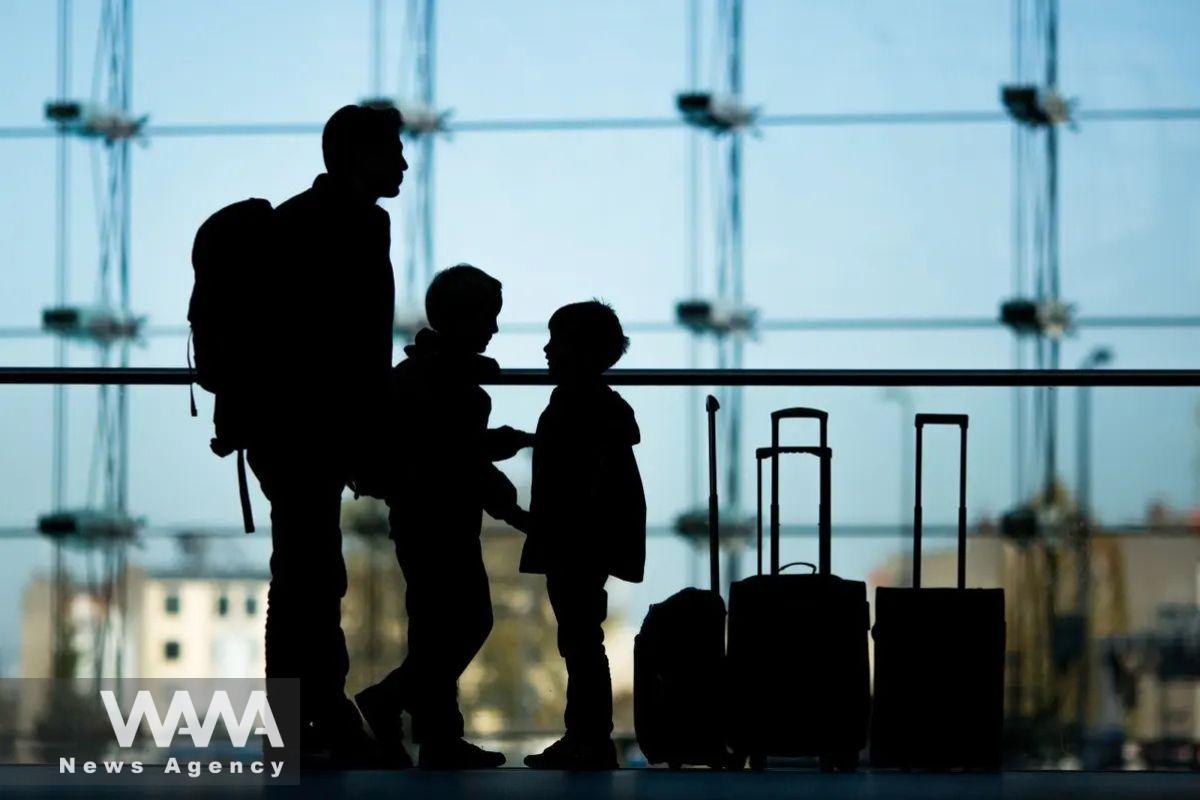
WANA (Jan 24) – Abolfazl Mehrabadi, the head of the Interests Section of the Islamic Republic of Iran in Washington, announced that approximately 40 Iranian nationals currently in U.S. custody are scheduled to depart for Iran on Sunday, January 25, 2026.
Who Are the Detainees?
Iran’s Interests Section has described the group as comprising two main categories:
-
Individuals apprehended shortly after entering the U.S. without authorization.
-
Long‑term residents or former lawful residents who were detained following criminal convictions or immigration violations.
Mehrabadi also stated that the majority of those being returned had expressed a willingness to go back to Iran during consular visits.
Controversy and Human Rights Concerns
The repatriation flights have drawn criticism from immigrant advocates and legal representatives of detainees, who argue that some individuals are being removed without access to full due process or meaningful asylum hearings. In at least some cases, attorneys have claimed clients were deported despite pending claims or appeals.
Reports also highlight concerns for vulnerable individuals within the group, including gay asylum seekers, who fear persecution or even execution upon their return to Iran — where homosexuality is criminalized and can carry the death penalty.
Broader Geopolitical Backdrop
These deportations occur amid heightened tensions between the U.S. and Iran, set against broader regional instability and diplomatic strain. While the repatriation process involves operational cooperation on specific flights, fundamental political disagreements over issues such as Iran’s nuclear program and human rights record persist.
 Implications
1. Human Rights and Legal Implications
-
Due process concerns: Reports indicate some detainees may be deported without full access to legal representation or pending asylum/appeal claims. This raises questions about compliance with U.S. immigration law and international human rights norms.
-
Risk to vulnerable individuals: Certain detainees, particularly LGBTQ+ asylum seekers or those with political affiliations, face possible persecution, imprisonment, or even execution upon return to Iran.
-
International scrutiny: Human rights organizations may criticize the U.S. for facilitating deportations that could endanger lives, potentially affecting its global reputation as a protector of human rights.
2. Diplomatic and Geopolitical Implications
-
Rare U.S.–Iran operational cooperation: Despite no formal diplomatic ties, these flights indicate limited coordination on specific issues. However, underlying tensions—nuclear policy, sanctions, regional conflicts—remain unresolved.
-
Potential escalation of diplomatic tension: Iran could use the repatriation as leverage in negotiations or as a political statement, highlighting alleged mistreatment of Iranian nationals abroad.
-
Signal to other nations: The U.S. may be demonstrating stricter immigration enforcement for nationals from countries with contentious relations, potentially impacting international perceptions of U.S. immigration policy.
3. Domestic Political and Policy Implications
-
Immigration enforcement message: This action reinforces the administration’s focus on deportation and strict immigration controls, especially for individuals without legal status or with prior convictions.
-
Impact on U.S. Iranian-American communities: Families may experience fear, anxiety, and uncertainty, potentially affecting community relations and trust in law enforcement or immigration agencies.
-
Legal challenges: Advocacy groups may file lawsuits or seek injunctions to prevent deportations, leading to prolonged legal battles and increased scrutiny of U.S. immigration enforcement practices.
4. Broader Social Implications
-
Humanitarian concerns: Deportees may return to a country facing political unrest, economic sanctions, or human rights violations, affecting their ability to reintegrate safely.
-
Precedent for future deportations: This operation could set a pattern for repatriating detainees from other nations with strained relations, raising ethical and legal debates domestically and internationally.
-
Community advocacy: Nonprofit organizations, human rights groups, and legal aid providers may increase efforts to support at-risk individuals in detention, highlighting gaps in protections for asylum seekers.
 Overall Takeaway:
The planned repatriation of approximately 40 Iranian detainees from the United States in January 2026 underscores the complex intersection of immigration enforcement, human rights, and international diplomacy. While the U.S. asserts its authority to deport individuals who violate immigration laws, the operation raises serious humanitarian concerns, particularly for vulnerable detainees such as asylum seekers and LGBTQ+ individuals who may face persecution upon return.
This development also reflects the tenuous yet pragmatic cooperation between the U.S. and Iran on limited operational matters, even as broader geopolitical tensions persist. Domestically, the deportation highlights ongoing debates over due process, legal protections, and the treatment of detainees under U.S. immigration policy.
Ultimately, these repatriations serve as a reminder that immigration enforcement actions have far-reaching consequences, impacting not only the individuals directly involved but also international relations, community trust, and global perceptions of the United States’ commitment to human rights.
SOURCES: WANAEN – Approximately 40 Iranian Detainees Set to Depart U.S. for Repatriation
KION CENTRAL COAST – US expected to deport dozens of Iranians as Trump threatens regime over crackdown
CALIBER.AZ – Trump administration to deport dozens of Iranians amid protest crackdown