Reported by:

Cherry Meigh Timbol
News Content Editor
Published November 23, 2026
ORLANDO, Florida — The purpose of slaughtering animals for food may be deeply rooted in tradition, religion and human consumption. But regardless of the reason, one basic principle should never be abandoned: animals should not be subjected to unnecessary suffering.
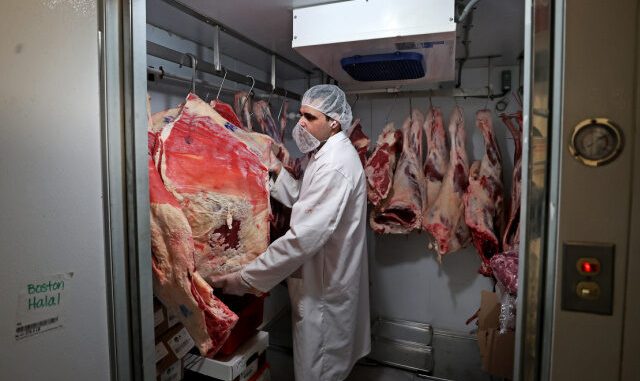
That principle is now at the center of a disturbing investigation in Orlando, Florida, where six individuals have been arrested following allegations of severe animal cruelty at Ali Meat International, a halal meat processing facility.
The arrests, announced by Florida Attorney General James Uthmeier on November 23, followed an investigation into alleged mistreatment of livestock at the establishment. The case has raised uncomfortable questions about what happens behind the doors of facilities that promote their products as halal and whether the practices being carried out actually meet the expectations of humane treatment.
For consumers, particularly those who purchase halal meat because they believe it follows specific ethical and religious principles, the allegations are deeply troubling.
When the promise of humane treatment meets disturbing allegations
The investigation reportedly began after animal protection organization Animal Outlook obtained undercover footage from the facility during Eid al-Adha celebrations in June 2025.
According to the organization, the recordings allegedly showed lambs, goats and cattle being subjected to practices that raised serious animal welfare concerns.
Among the reported incidents were animals allegedly remaining conscious for several minutes after their throats had been cut, cattle being repeatedly shocked with electric prods around their faces and necks, and workers allowing customers to participate directly in slaughter procedures.
One particularly disturbing allegation involved a child being assisted by an adult while cutting a lamb’s throat.
These are not merely technical questions about slaughter procedures. They concern the suffering of living creatures.
An animal cannot explain its pain, defend itself or demand better treatment. That responsibility rests entirely with the people handling it.
If the allegations are established, the conduct described would represent a serious failure of basic animal welfare standards.
The Halal label should not become a shield against accountability
The word halal carries religious significance for Muslims. It generally refers to what is permissible under Islamic law, including dietary requirements governing the preparation of meat.
Halal slaughter has specific religious requirements, including rules concerning the animal, the slaughter process and the manner in which the procedure is performed.
However, there is an important distinction between a religiously prescribed method of slaughter and the actual treatment an animal receives.
Simply identifying a facility or its products as halal does not automatically establish that every animal has been handled humanely.
Nor should a religious designation become a shield against legitimate scrutiny when credible allegations of abuse arise.
Consumers have every right to expect honesty, accountability and compliance with applicable animal welfare laws, regardless of the religious or commercial identity of a business.
The issue is not whether halal slaughter should be permitted. The issue is whether the people responsible for carrying it out followed the law and treated animals with the care required of them.
Six arrests and serious criminal charges
Florida authorities confirmed that six individuals were arrested in connection with the investigation.
The defendants face various charges, including aggravated animal cruelty and other alleged offenses. Attorney General Uthmeier outlined potential prison sentences ranging from 10 years to more than 100 years, depending on the charges and convictions.
The USDA also became involved in the investigation. Federal authorities imposed restrictions requiring federal inspection oversight before the facility could conduct livestock slaughter.
The case has also drawn attention to the facility’s previous regulatory history, including earlier federal concerns involving animal handling and slaughter practices.
All six defendants are presumed innocent unless proven guilty in court.
The Human responsibility behind every animal’s suffering
There is something particularly troubling about allegations of cruelty occurring in an environment where animals are being prepared for human consumption under a system that carries religious and ethical expectations.
People may disagree about whether animals should be slaughtered for food. But even among those who accept meat consumption as part of everyday life, there should be common ground: suffering should never be treated as an acceptable byproduct of business.
An animal raised for food is still a living creature capable of experiencing fear and pain. Its inability to speak does not make its suffering less real.
The responsibility to minimize that suffering belongs to the people who raise, transport, handle and slaughter it.
And when a business presents itself as operating according to particular religious or ethical standards, the responsibility to maintain public trust becomes even greater.
Consumers should not have to wonder whether the promises behind a label are being honored.
A Case that deserves more than just headlines
The Orlando investigation should serve as a reminder that animal welfare enforcement must be taken seriously across the entire food industry.
Regulators must ensure that slaughter facilities comply with applicable laws. Businesses must be held accountable when violations are established, and consumers deserve transparency about how their food is produced.
The investigation also presents an opportunity to distinguish genuine religious observance from alleged misconduct by individuals who may be operating under the same religious designation.
Halal should not be used to excuse cruelty, just as animal abuse at one establishment should not be used to condemn an entire religious community.
Ultimately, the question is straightforward: If a facility claims to follow standards that include humane treatment, shouldn’t its actual practices reflect those commitments?
Animals destined for human consumption may not have a choice about their final moments. But the people responsible for those moments do have a choice about how they are treated.
No religious label, commercial interest or human convenience should place anyone above the law or make unnecessary animal suffering acceptable.