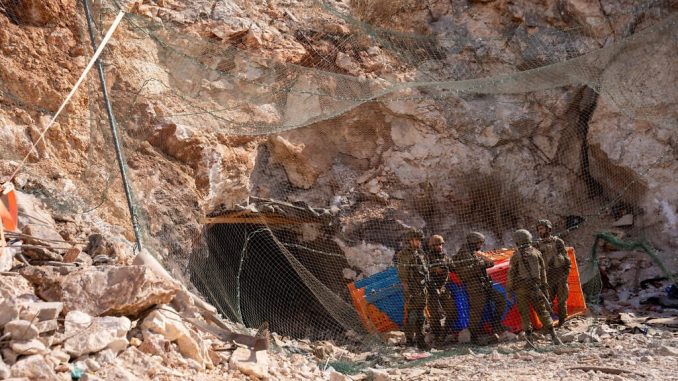
IDF troops are seen at the entrance to a Hezbollah tunnel near the Beaufort Castle in southern Lebanon, July 7, 2026. (Emanuel Fabian/Times of Israel)
Published July 13, 2026
SOUTHERN LEBANON — Israeli forces say they have uncovered an extensive Hezbollah underground command and tunnel complex beneath the historic Beaufort Castle in southern Lebanon, describing the discovery as one of the militant group’s most sophisticated military installations uncovered during the current conflict.
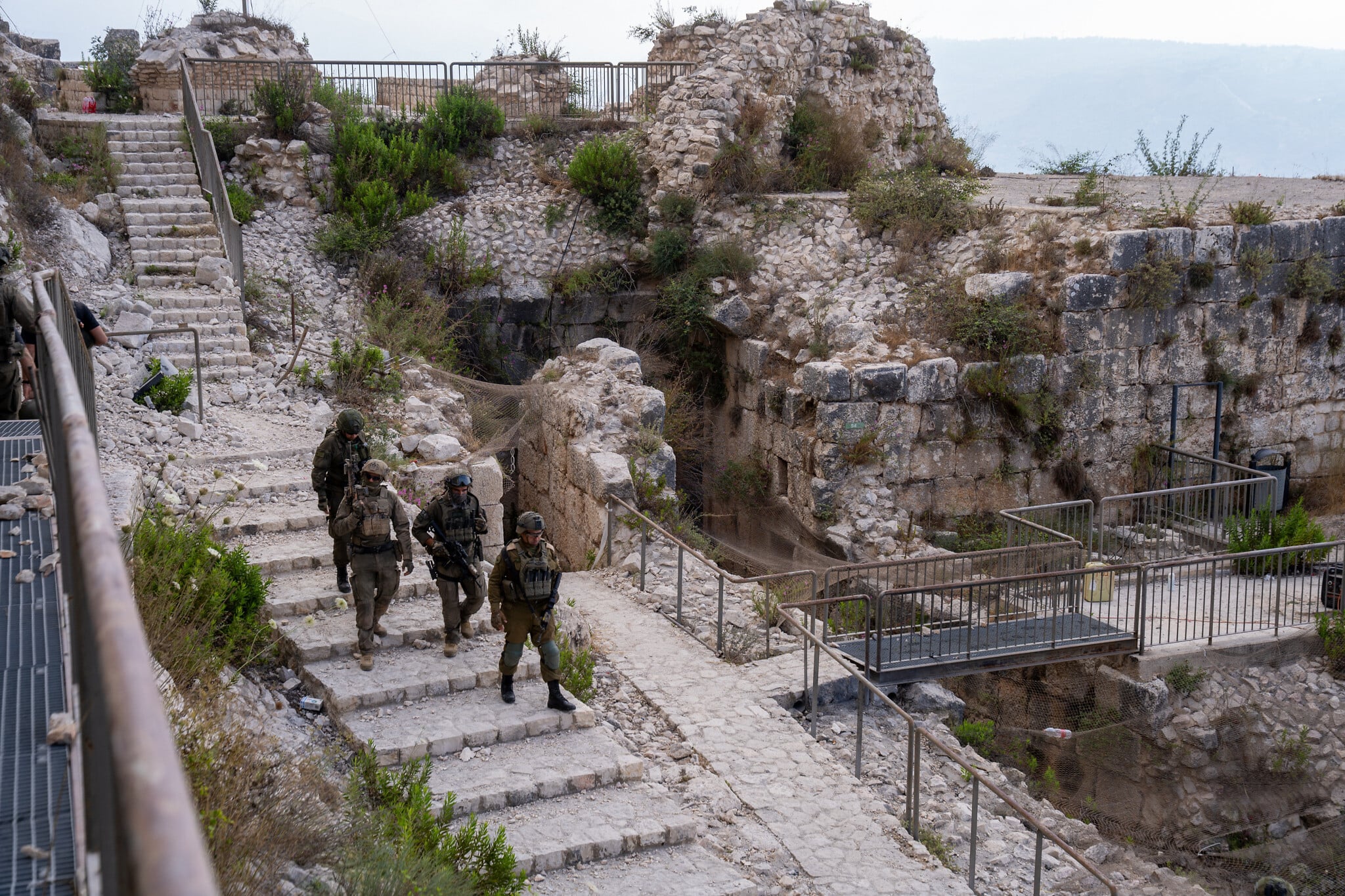
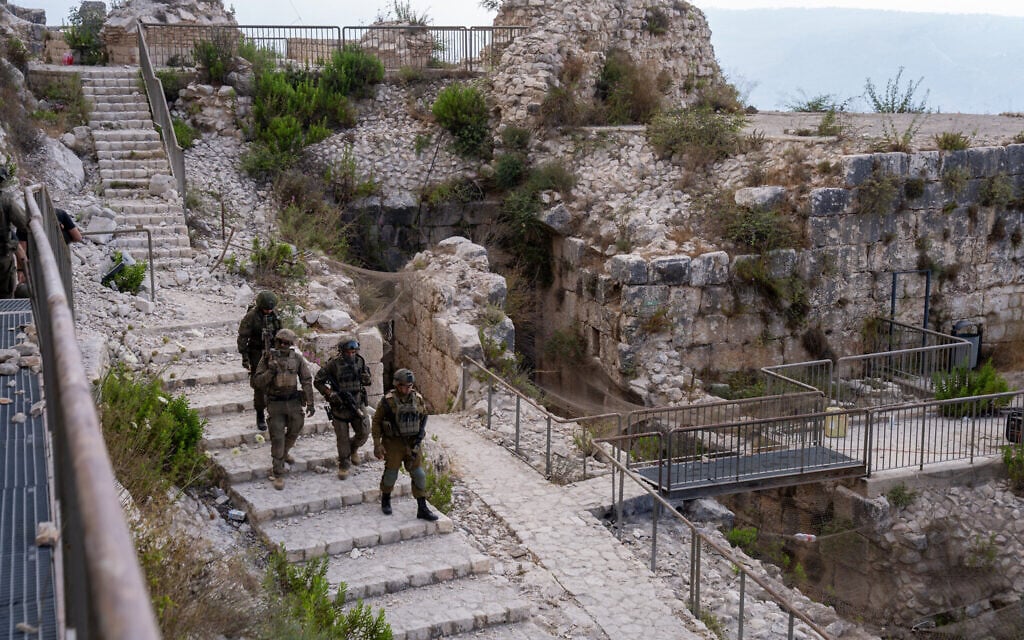 IDF troops are seen at Beaufort Castle in southern Lebanon, July 7, 2026. (Emanuel Fabian/Times of Israel)
According to the Israel Defense Forces (IDF), the underground network was built over many years with the purpose of supporting future attacks against northern Israel while serving as a heavily fortified command center capable of surviving sustained military operations. Israeli officials said the complex highlights the scale of Hezbollah’s military preparations along the Israel-Lebanon border.
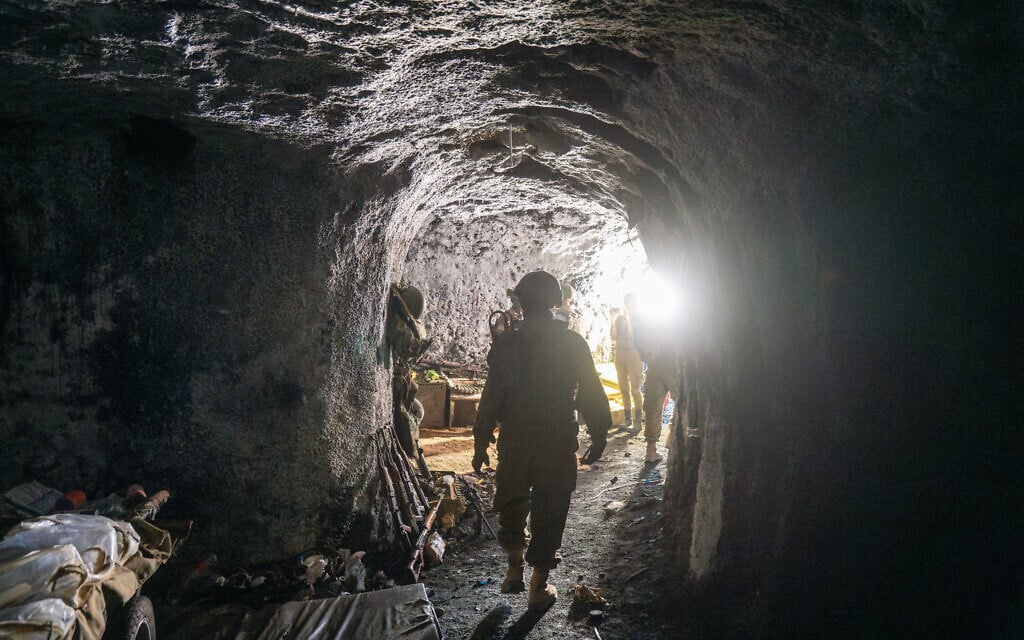 An IDF soldier is seen in a Hezbollah tunnel near the Beaufort Castle in southern Lebanon, July 7, 2026. (Emanuel Fabian/Times of Israel)
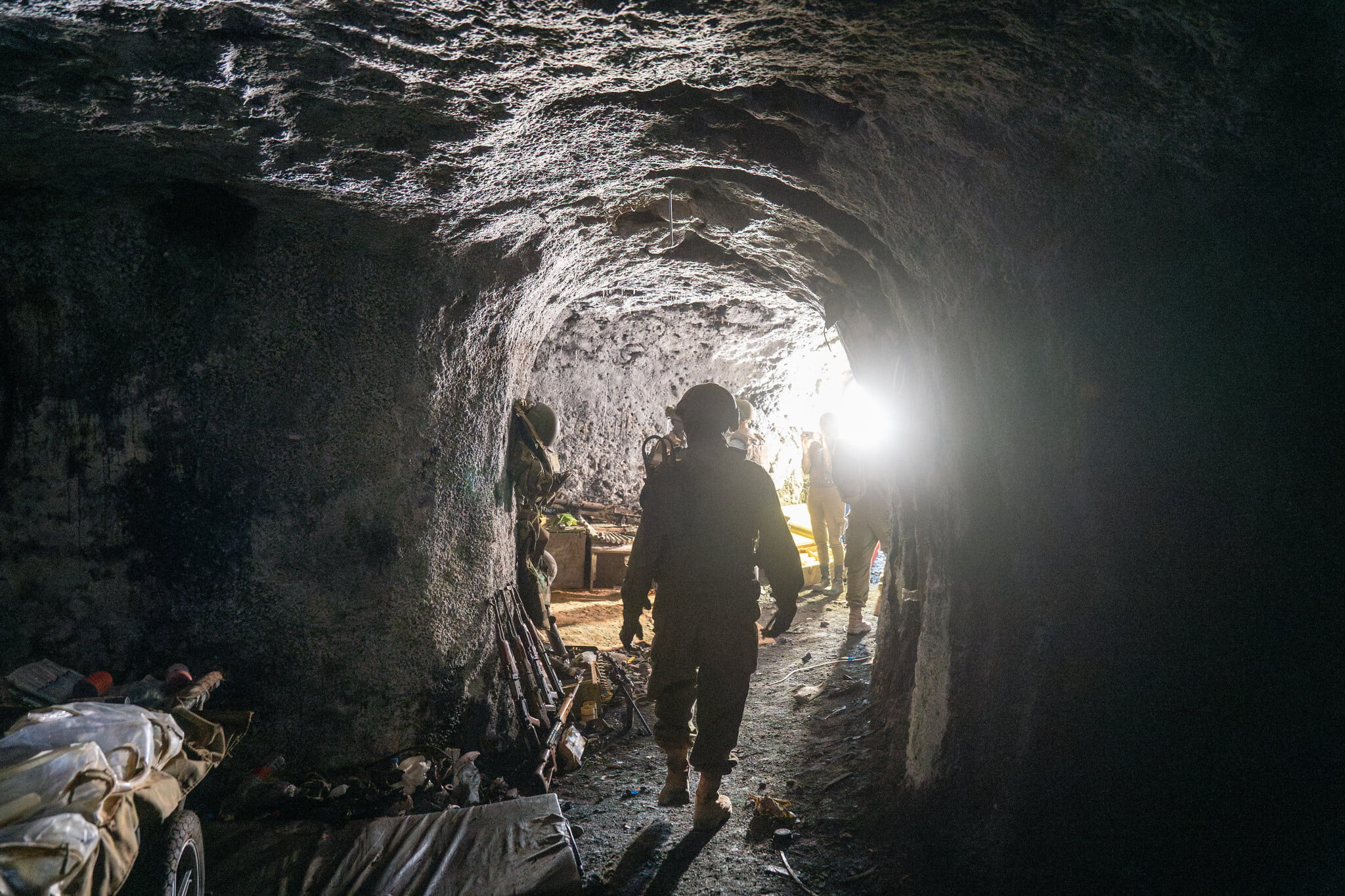
Underground Fortress Built for War
Israeli military officials said the tunnel system stretched beneath the strategic Beaufort Ridge, one of southern Lebanon’s most commanding positions overlooking northern Israel.
The underground facility reportedly included command rooms, living quarters, medical facilities, weapons storage areas, communications infrastructure, and defensive positions designed to withstand airstrikes and ground assaults.
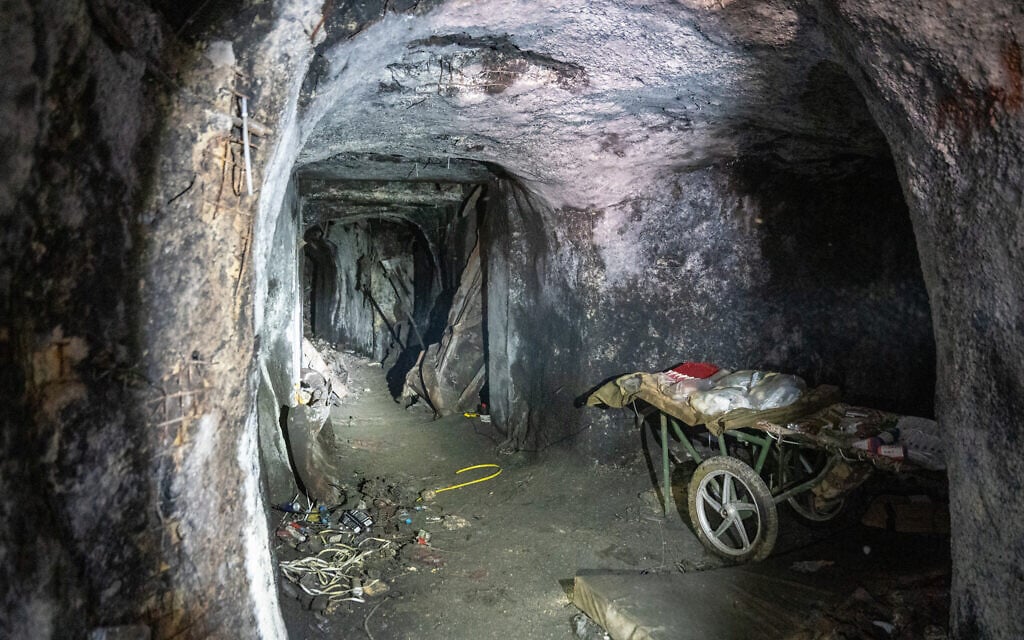 Inside a Hezbollah tunnel near the Beaufort Castle in southern Lebanon, July 7, 2026. (Emanuel Fabian/Times of Israel)
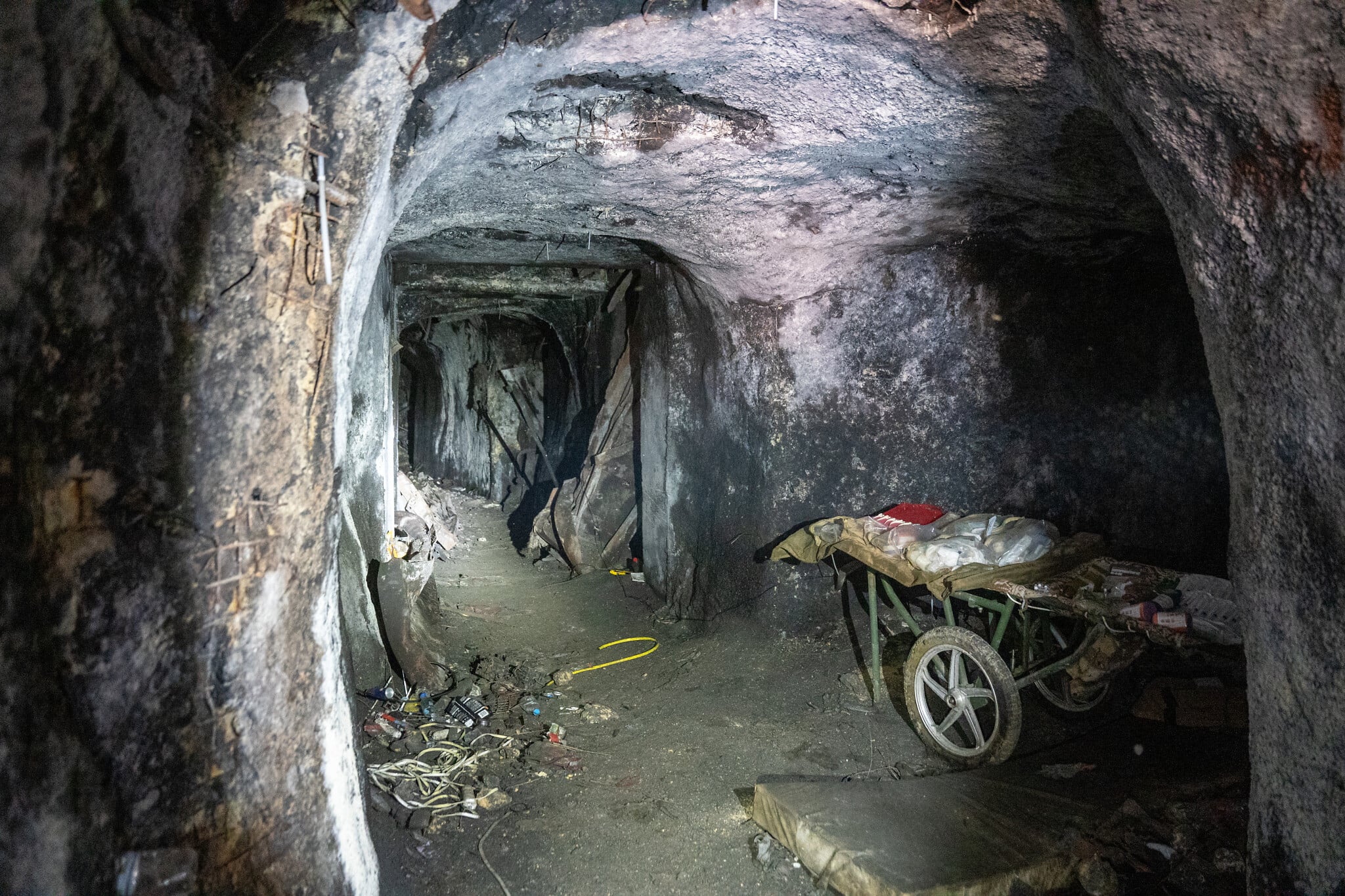
IDF officers described the site as a fully operational military base concealed beneath the historic fortress and integrated into Hezbollah’s broader defensive network across southern Lebanon.
Iranian Support Allegedly Helped Build the Network
Israeli officials said intelligence assessments indicate the tunnel complex was constructed over approximately 10 to 15 years with significant Iranian assistance.
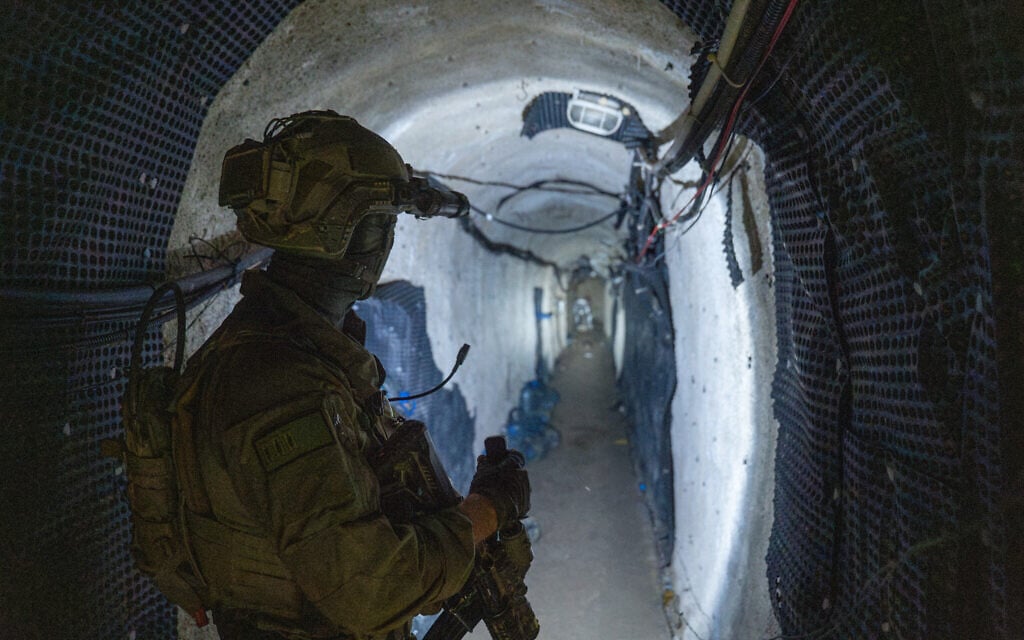 An IDF soldier is seen in a Hezbollah tunnel near the Beaufort Castle in southern Lebanon, July 7, 2026. (Emanuel Fabian/Times of Israel)
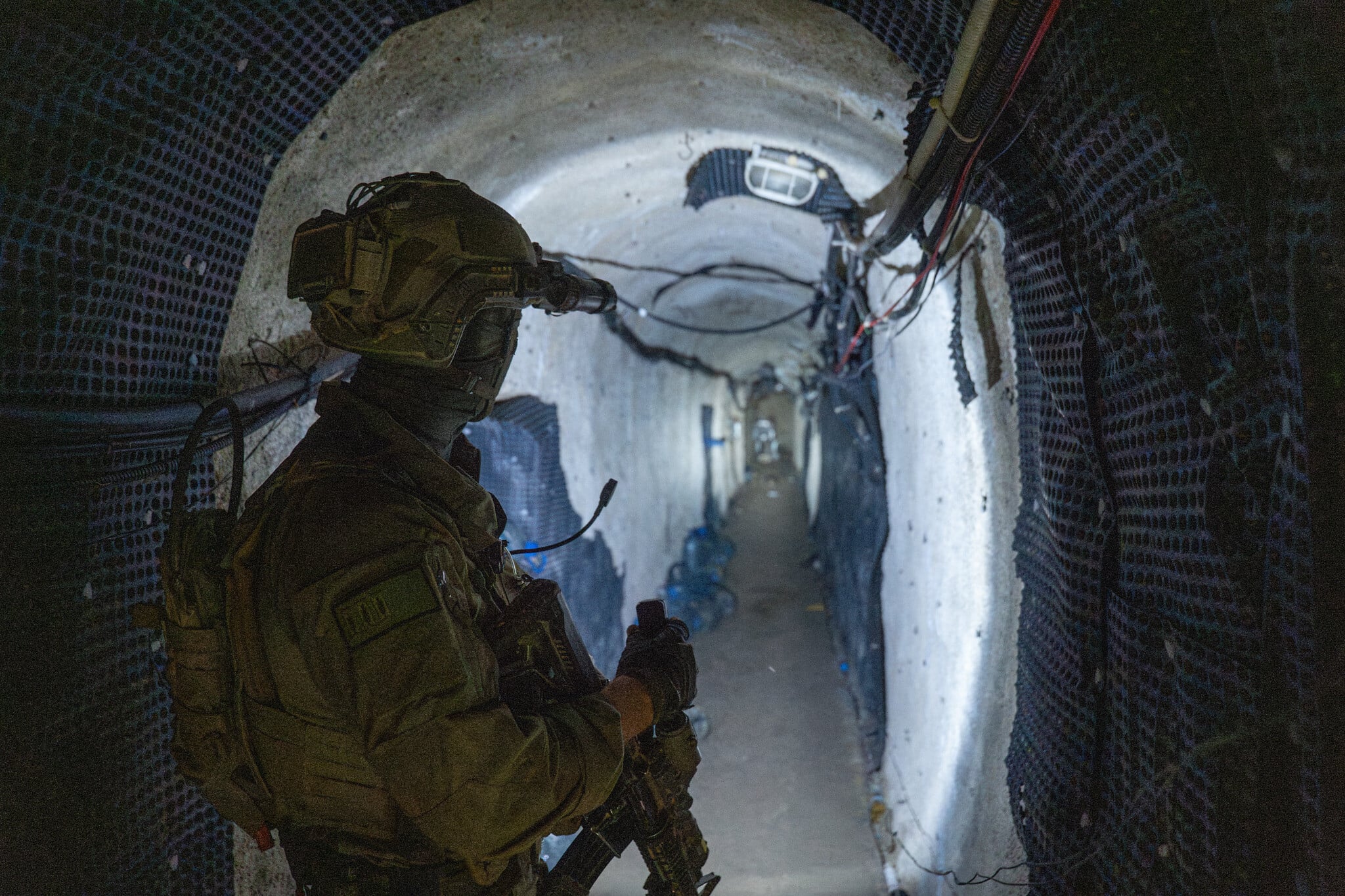
Military officials believe the site formed part of Hezbollah’s long-term strategy to prepare for a large-scale conflict with Israel while allowing fighters to operate underground during combat.
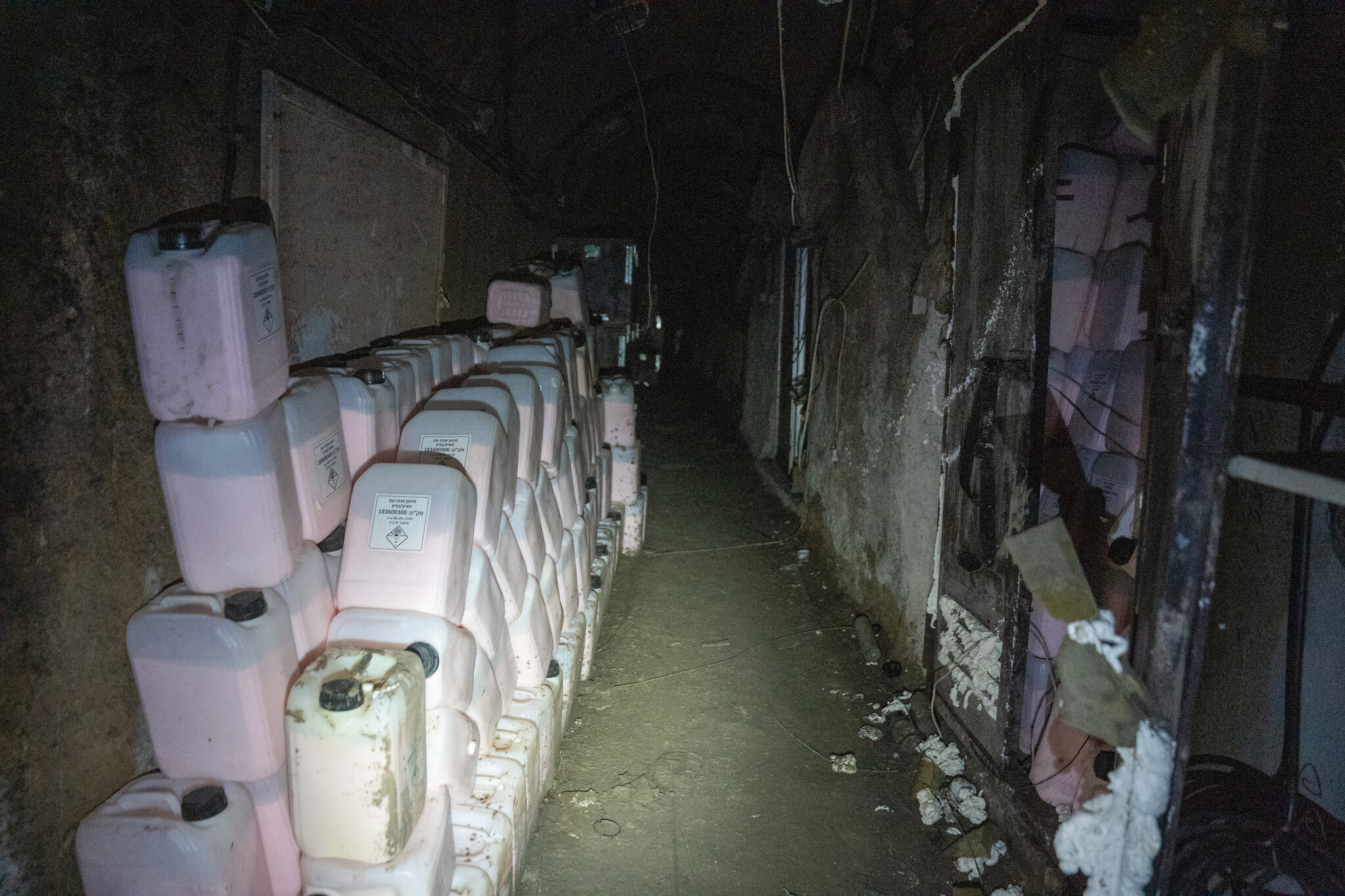
Israeli forces reported finding Iranian-made weapons, anti-tank systems, anti-aircraft equipment, mines, and other military hardware inside the complex. Some of the equipment was described as previously unseen by Israeli troops.
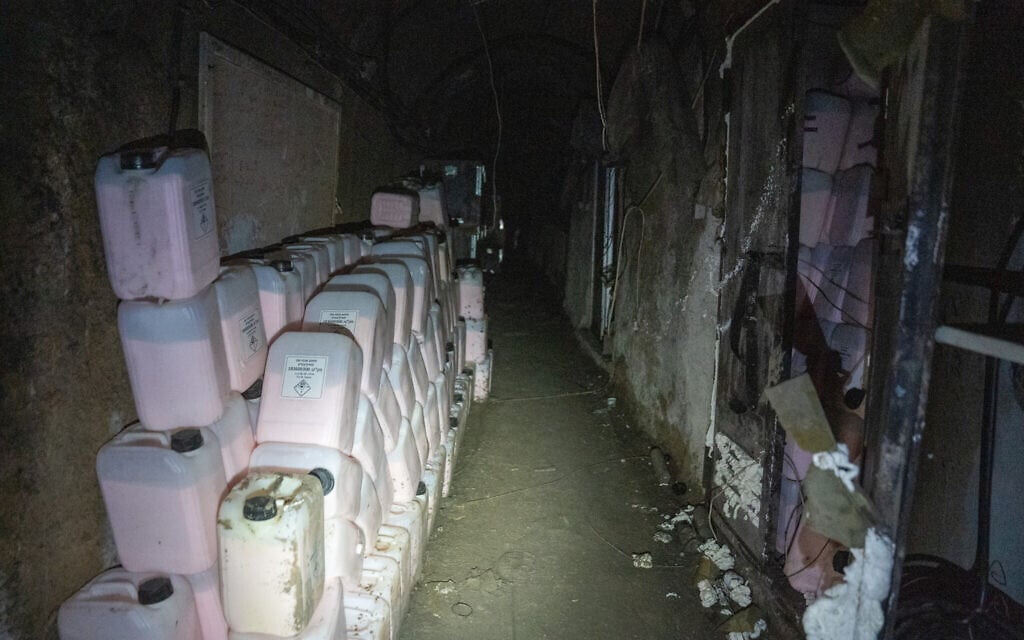 Explosives are seen laid in a Hezbollah tunnel near the Beaufort Castle in southern Lebanon, July 7, 2026. (Emanuel Fabian/Times of Israel)
Strategic Position Overlooking Northern Israel
The Beaufort Ridge has long been considered one of southern Lebanon’s most strategically important locations because of its commanding view over the Galilee region.
Israeli officials said Hezbollah used the area to launch rockets toward Israeli communities and to coordinate military operations during previous rounds of fighting.
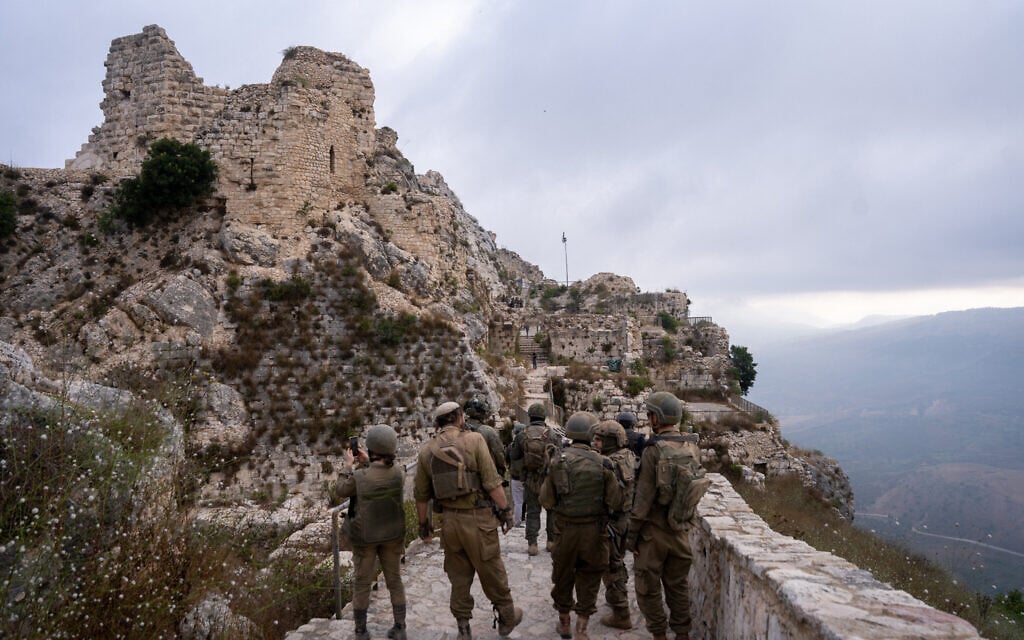 IDF troops are seen at Beaufort Castle in southern Lebanon, July 7, 2026. (Emanuel Fabian/Times of Israel)
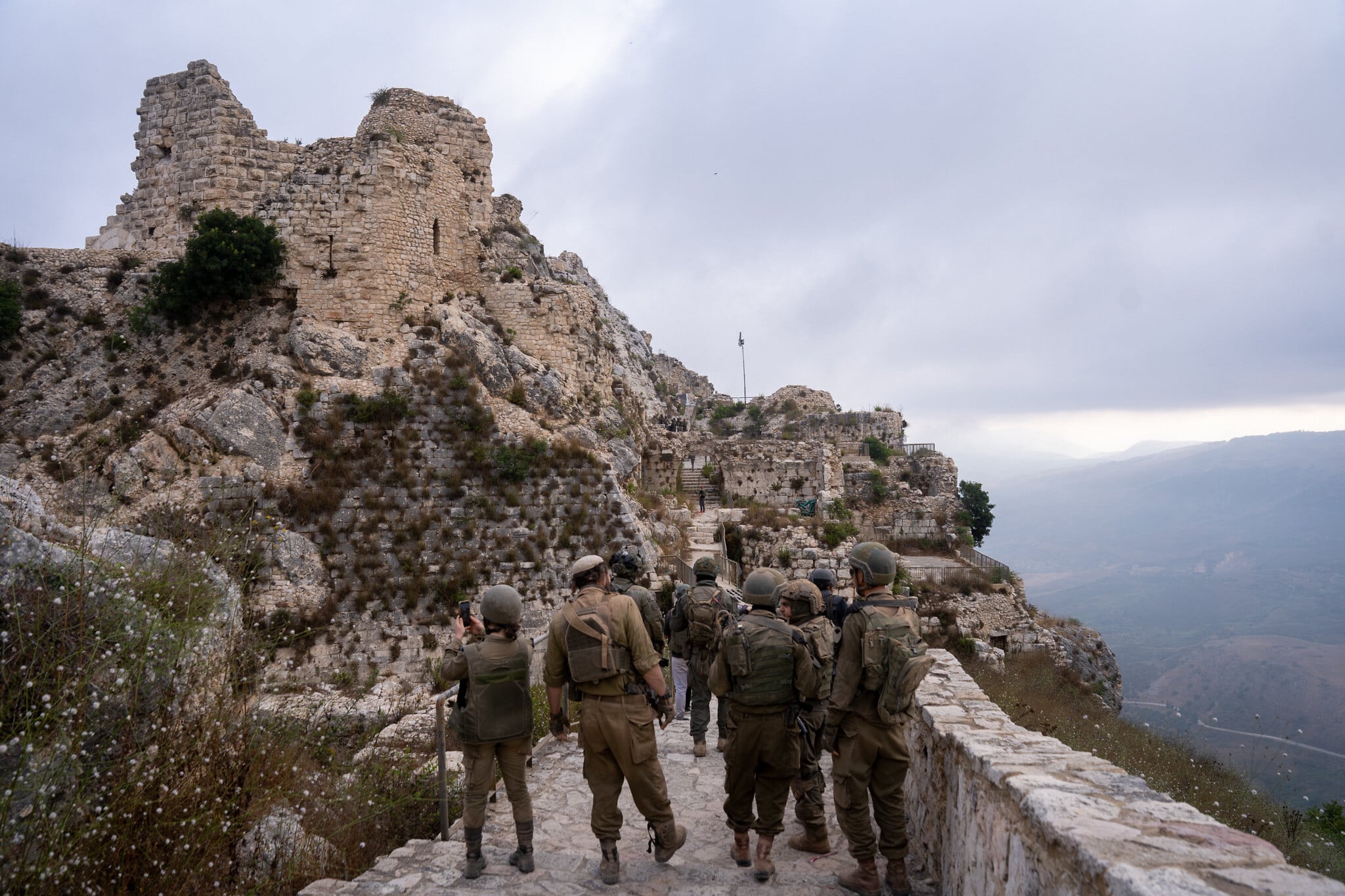
Military commanders argued that controlling the ridge significantly reduces Hezbollah’s ability to threaten nearby Israeli towns and military positions.
Discovery Comes Amid Continuing Operations
The tunnel discovery follows a series of Israeli operations targeting Hezbollah’s underground infrastructure throughout southern Lebanon.
The IDF has recently announced the destruction of several additional tunnel systems and weapons depots as part of ongoing efforts to dismantle Hezbollah’s military capabilities near the border.
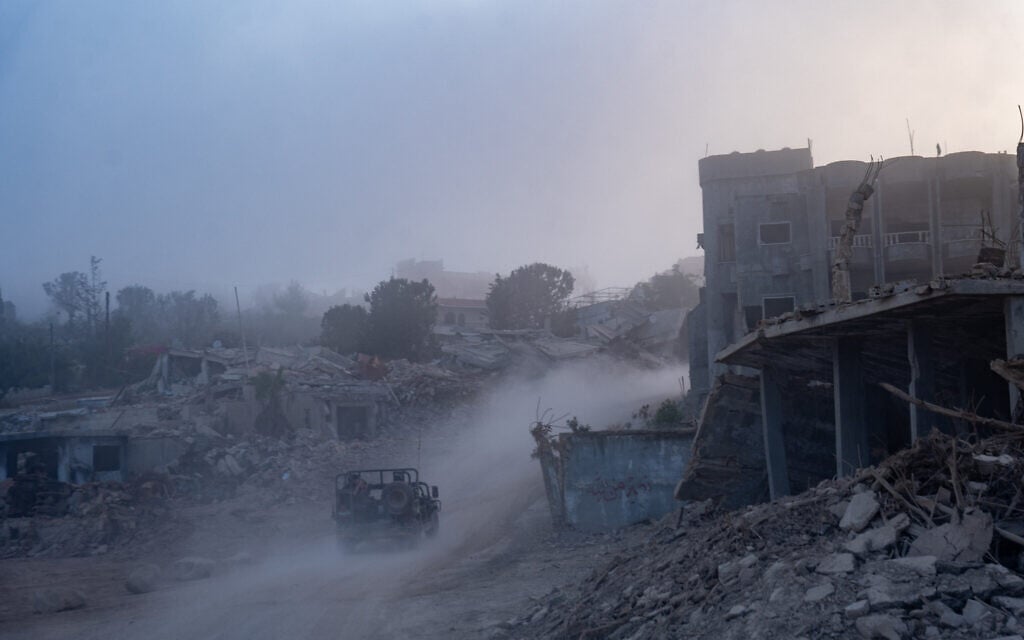 An IDF Humvee drives in southern Lebanon, July 7, 2026. (Emanuel Fabian/Times of Israel)
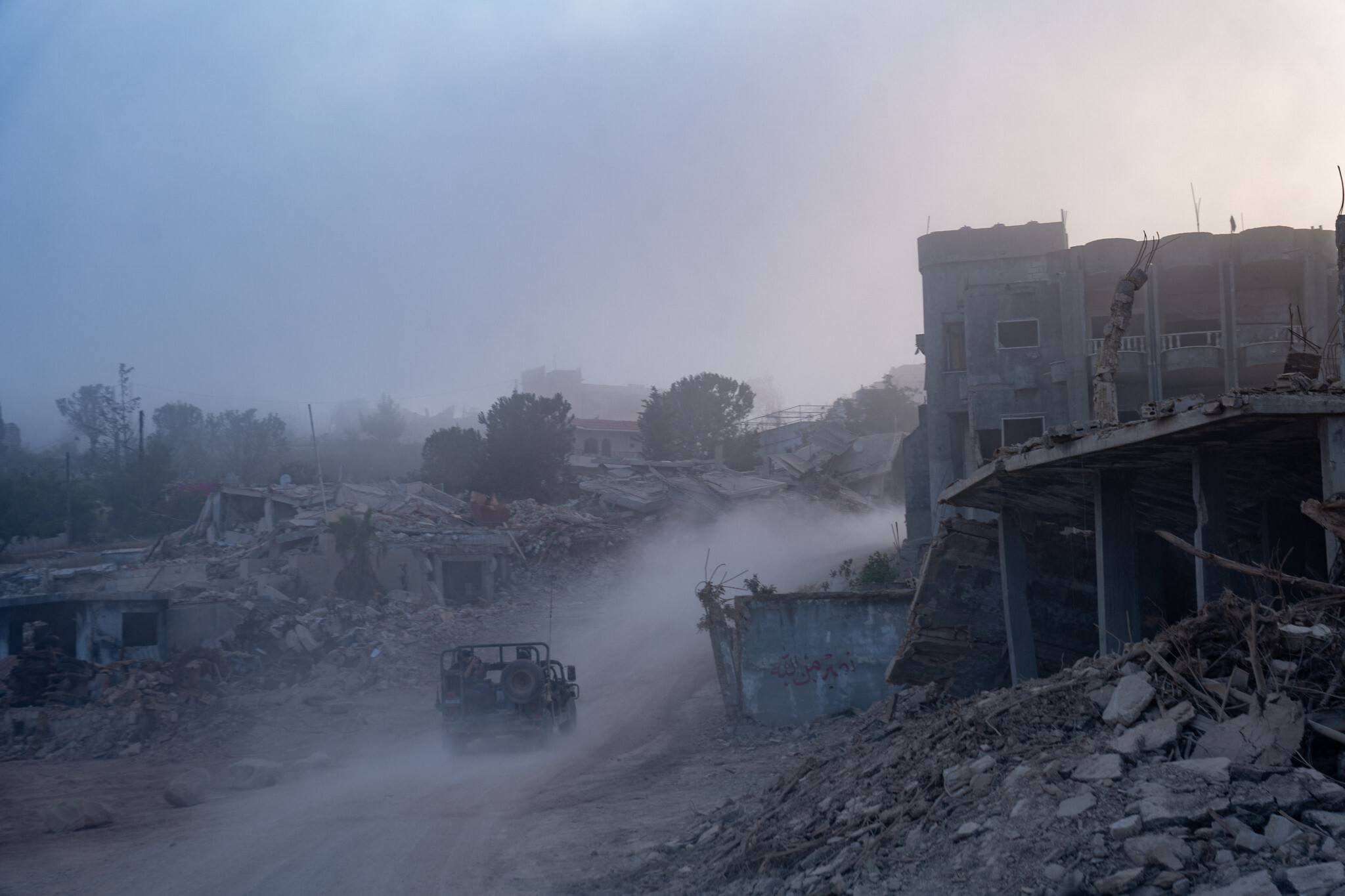
Israeli officials maintain that eliminating underground command centers remains a central objective in preventing future attacks against northern Israel.
Military Significance
Israeli military analysts say the Beaufort tunnel complex demonstrates the extensive resources Hezbollah invested in preparing for a prolonged conflict.
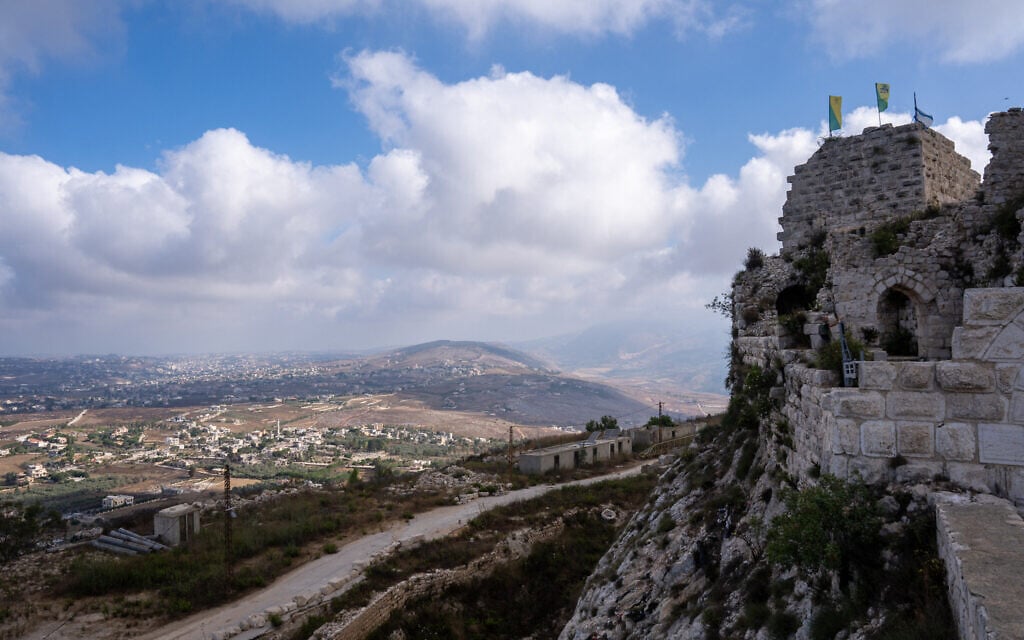 A view of the Ali Taher ridge from Beaufort Castle in southern Lebanon, July 7, 2026. (Emanuel Fabian/Times of Israel)
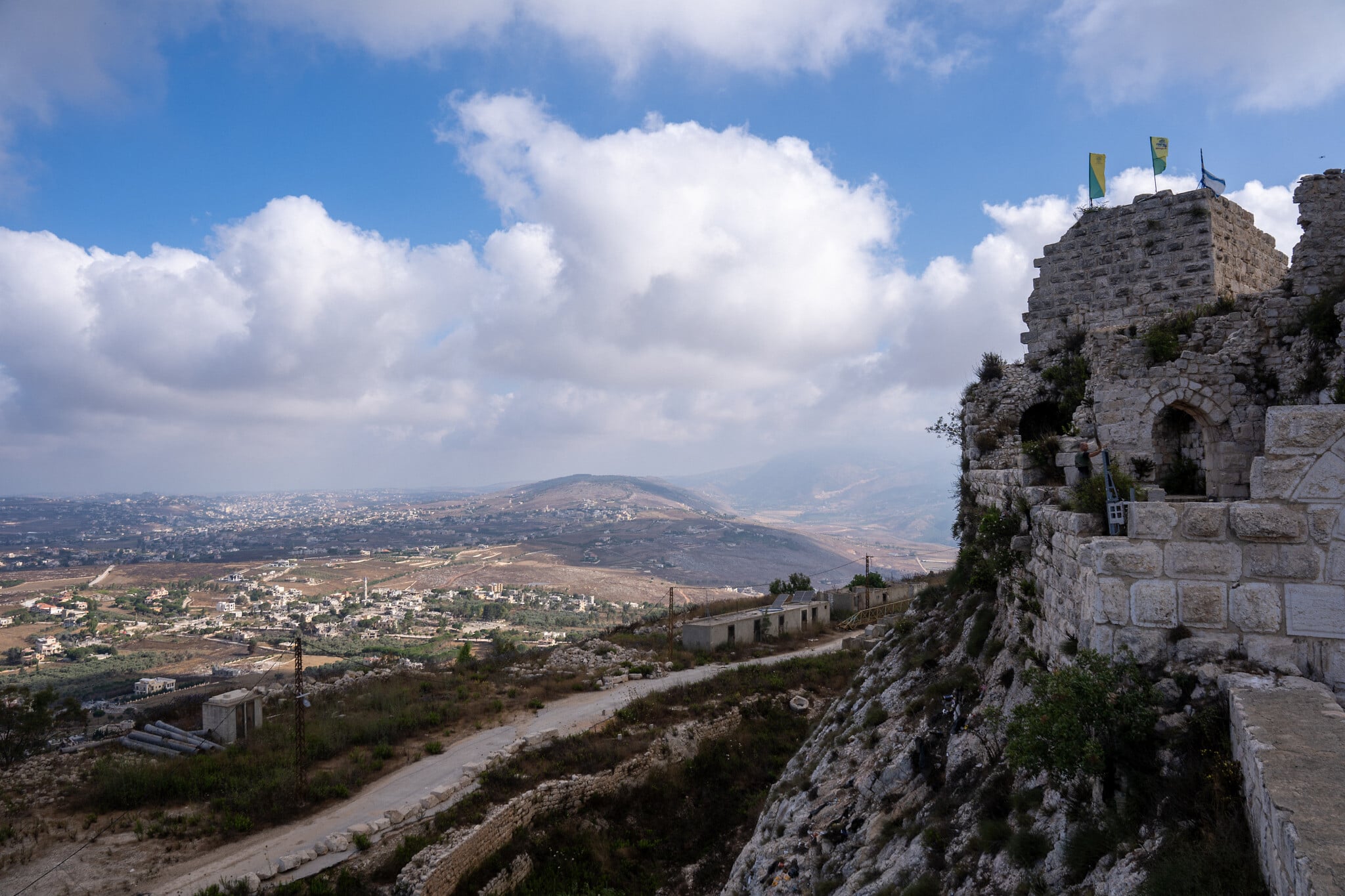
The underground network illustrates how the group sought to combine natural terrain, fortified underground infrastructure, and advanced weaponry to create a resilient defensive position capable of supporting offensive operations against Israel.
Officials argue that discoveries such as Beaufort reinforce concerns about the sophistication and scale of Hezbollah’s military infrastructure built along Lebanon’s southern frontier.
⚠️ Implications:
The discovery of a large Hezbollah tunnel and command complex beneath the historic Beaufort Fortress underscores the extent of the group’s long-term military preparations along Israel’s northern border. If the Israeli military’s assessment is accurate, the underground network illustrates how Hezbollah has invested in hardened infrastructure designed to support sustained operations during a future conflict. The discovery carries significant military, political, and regional implications.
⚔️ 1. Hezbollah’s Underground Strategy Appears More Extensive Than Previously Known
- Israeli officials say the Beaufort complex was built over many years and included command centers, weapons storage, living quarters, and defensive positions.
- The tunnel system demonstrates Hezbollah’s continued emphasis on underground warfare to reduce its vulnerability to Israeli airpower.
- Similar discoveries could indicate the existence of additional undiscovered facilities across southern Lebanon.
🔍 Implication: Israel is likely to intensify efforts to locate and dismantle Hezbollah’s underground infrastructure before it can be used in future conflicts.
🇮🇱 2. Israel May Expand Military Operations Along the Northern Border
- The IDF considers underground command centers a major strategic threat because they can support both defensive and offensive operations.
- Israeli officials argue that eliminating these facilities is necessary to reduce Hezbollah’s ability to launch attacks into northern Israel.
- Additional intelligence-driven operations may follow if more tunnel networks are identified.
⚠️ Implication: Military activity along the Israel-Lebanon border could continue despite diplomatic efforts aimed at reducing tensions.
🇮🇷 3. Iran’s Regional Influence Faces Increased Scrutiny
- Israeli officials believe Iranian support played a role in developing Hezbollah’s military infrastructure.
- The discovery is likely to reinforce Israeli claims that Iran continues to strengthen proxy forces throughout the region.
- Tehran has consistently supported Hezbollah politically and militarily, though it has denied directing attacks on Israel.
🌐 Implication: The discovery could increase international attention on Iran’s role in supporting armed groups across the Middle East and complicate future diplomatic efforts.
🛡️ 4. Border Security Will Remain a Strategic Priority
- The Beaufort Ridge overlooks northern Israel, making it a highly valuable military position.
- Israeli planners are expected to place greater emphasis on intelligence gathering, surveillance, and border defenses.
- Preventing future infiltration and rocket attacks remains a central objective for Israel’s security establishment.
📢 Implication: Israel is likely to maintain a heightened military presence along its northern frontier while continuing efforts to strengthen defensive capabilities.
🌍 5. Regional Stability Remains Fragile
- The discovery comes amid continuing tensions involving Israel, Hezbollah, and Iran.
- Any escalation resulting from military operations in southern Lebanon could quickly affect neighboring countries and regional security.
- International mediators continue urging restraint to prevent a broader conflict.
🚨 Implication: Even localized military operations carry the risk of expanding into a wider regional confrontation if tensions continue to rise.
📈 6. The Discovery Highlights the Long-Term Nature of the Conflict
- The reported scale and sophistication of the tunnel complex suggest years of planning and investment.
- The conflict between Israel and Hezbollah increasingly involves intelligence operations, underground infrastructure, and advanced military technology rather than conventional battlefield engagements alone.
- Both sides are expected to continue adapting their strategies in response to evolving threats.
🧭 Implication: The Israel-Hezbollah conflict is likely to remain a long-term security challenge, with underground warfare and intelligence operations continuing to play a central role.
💬 Overall Takeaway:
The reported discovery of a large Hezbollah tunnel and command complex beneath the historic Beaufort Fortress highlights the ongoing security challenges facing Israel along its northern border. If confirmed as described by the Israeli military, the underground network demonstrates the level of planning and resources that Hezbollah has invested in preparing for a potential future conflict.
For Israel, the discovery reinforces its position that dismantling Hezbollah’s military infrastructure remains essential to protecting northern communities and preventing future cross-border attacks. It also underscores the importance Israel places on intelligence gathering, surveillance, and preemptive operations against what it views as imminent security threats.
More broadly, the discovery serves as a reminder that despite periods of reduced fighting, tensions between Israel, Hezbollah, and Iran remain unresolved. As both sides continue to strengthen their military capabilities, the risk of renewed confrontation persists, making diplomatic efforts and regional stability increasingly difficult to sustain.