
Published July 13, 2026
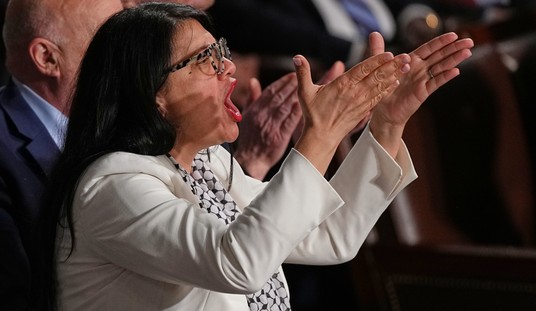
WASHINGTON, D.C. — Rep. Rashida Tlaib (D-Mich.) is facing renewed criticism after delivering an impassioned speech at the “People’s Conference for Palestine,” where she denounced America’s political institutions as being built on “slavery,” “genocide,” and “oppression” while urging activists to continue mobilizing for political change. The remarks quickly ignited debate over the direction of the Democratic Party and the growing influence of progressive activists within Congress.
Video of the speech circulated widely on social media, showing Tlaib telling supporters that “real change” comes from grassroots activism rather than what she described as “cowards and warmongers in Congress.” She also declared, “Now we’re in Congress and every corner of the United States,” a statement that drew strong reactions from supporters and critics alike.
Speech at Palestine Conference Draws National Attention
Speaking before a crowd of activists, Tlaib argued that America’s political system was founded on historical injustices, including slavery and oppression, and called on supporters to continue organizing outside traditional political institutions.
She also described Gaza as “the compass in this country,” framing the Palestinian cause as a broader movement for political and social change. Her remarks were met with enthusiastic applause from attendees but quickly generated criticism from political opponents after video clips spread online.
Democrat Rep. Rashida Tlaib: “The political structures that we are surrounded by were built on slavery and genocide and oppression. Look at this room, motherf******. We aren’t going anywhere. Now we’re in Congress and every corner of the United States.” pic.twitter.com/GEJ96VhU41
— TheBlaze (@theblaze) July 12, 2026
“Look at this room, motherf***erks, we ain’t going anywhere!” she screams. “The political structures that I have to work in, that we all are surrounded by, was built on slavery, and genocide, and rape, and oppression. Real change doesn’t come from the cowards and warmongers in Congress it comes from the streets. It comes from all of us mobilizing and seizing the power to resist and fight back.”
“Gaza is the compass in this country,” Tlaib adds, “Now we’re in Congress and we’re in every corner of the United States.”
United States.”
The Democrat Party has become a national security risk. We should treat it as such. First, @RoKhanna and @NYCMayor.
Now, this tub.
They’re coddling terrorists because they want our country to fall. Deport her!@RashidaTlaib
— Buzz Patterson (@BuzzPatterson) July 13, 2026
Critics Say Remarks Reflect a Broader Ideological Shift
Tlaib’s comments fueled renewed criticism from conservatives and some political commentators, who argued that her rhetoric reflects an increasingly radical wing of the Democratic Party.
Critics contend that portraying America’s governing institutions as fundamentally illegitimate risks further deepening political polarization and undermining public confidence in constitutional government. Several commentators also questioned whether elected officials should encourage activism that challenges existing political structures rather than pursuing change primarily through the legislative process.
Supporters Defend Tlaib’s Message
Supporters of Tlaib argued that her remarks were intended to highlight historical injustices and encourage civic engagement rather than reject democratic government.
They maintain that criticism of America’s past and present institutions is protected political speech and reflects a long tradition of activism aimed at expanding civil rights and promoting social reform.
Tlaib has consistently advocated for Palestinian rights, criminal justice reform, and progressive domestic policies during her time in Congress.
Debate Highlights Divisions Within the Democratic Party
The controversy comes as ideological differences continue to shape the Democratic Party between its progressive and more moderate factions.
Tlaib, a member of the progressive “Squad” and affiliated with the Democratic Socialists of America, has frequently challenged her party’s leadership on issues including Israel, immigration, policing, and foreign policy.
Her latest remarks are likely to intensify discussions about the role of progressive activism within the Democratic Party as lawmakers prepare for future election cycles.
⚠️ Implications:
Rep. Rashida Tlaib’s remarks at the “People’s Conference for Palestine” have intensified debate over political rhetoric, national identity, and the direction of the Democratic Party. Her comments are likely to fuel continued discussions about the limits of political speech, public confidence in American institutions, and the growing influence of progressive activism in national politics.
🏛️ 1. Political Polarization May Continue to Deepen
- Tlaib’s criticism of America’s institutions is likely to reinforce existing political divisions.
- Supporters view her remarks as a call for reform and accountability, while critics argue they undermine confidence in the country’s constitutional system.
- The speech is expected to generate continued debate in Congress and across the political spectrum.
🔍 Implication: Sharp political rhetoric from elected officials may further widen ideological divisions among voters.
🇺🇸 2. National Identity and Patriotism Remain Central Political Issues
- The controversy reflects ongoing disagreements over how America’s history and founding principles should be viewed.
- Critics argue that emphasizing the nation’s historical failures can overshadow its democratic institutions and achievements.
- Supporters contend that acknowledging historical injustices is necessary for meaningful reform.
⚠️ Implication: Debates over patriotism, civic identity, and the interpretation of American history are likely to remain prominent in national politics.
🗳️ 3. The Democratic Party Could Face Increased Internal Pressure
- Tlaib’s remarks highlight continuing ideological differences between progressive and more moderate Democrats.
- Party leaders may face renewed pressure to respond to controversial statements made by high-profile members.
- Political opponents are likely to use the controversy to draw broader contrasts between competing visions within the Democratic Party.
📢 Implication: Internal divisions could become more visible as Democrats seek to balance progressive activism with broader electoral appeal.
🌍 4. Middle East Policy Debates Will Likely Intensify
- Tlaib has been one of Congress’s most outspoken advocates for Palestinian rights.
- Her comments are expected to renew debate over U.S. policy toward Israel and the broader Middle East.
- The issue remains one of the most contentious foreign policy topics in Washington.
🌐 Implication: Disagreements over the Israel-Palestinian conflict are likely to continue shaping political discourse and congressional debate.
🗣️ 5. Political Speech by Elected Officials Will Face Greater Scrutiny
- Public remarks made by members of Congress are increasingly amplified through social media and news coverage.
- Statements delivered at activist events can quickly become national political controversies.
- Lawmakers from both parties are likely to face heightened scrutiny over their public messaging.
🚨 Implication: Political leaders may encounter greater pressure to clarify or defend controversial remarks as public attention intensifies.
📈 6. The Controversy Could Influence Future Campaign Messaging
- Republicans are likely to cite the remarks as evidence of what they view as the Democratic Party’s leftward shift.
- Democrats may face renewed questions about the role of progressive voices within the party.
- The controversy could become part of broader campaign debates heading into future elections.
🧭 Implication: Issues involving patriotism, political activism, and public trust in American institutions are likely to remain key themes in upcoming national campaigns.
💬 Overall Takeaway:
Rep. Rashida Tlaib’s latest remarks have once again placed her at the center of a national political debate, highlighting the deep ideological divisions that continue to shape American politics. While supporters view her speech as a forceful call for activism and social change, critics argue that her rhetoric reflects an increasingly confrontational approach toward America’s institutions and values.
The controversy also underscores the broader struggle within the Democratic Party as progressive lawmakers continue to push positions that often differ from those of more moderate members. At the same time, Republicans are expected to use comments like Tlaib’s to draw contrasts over patriotism, national identity, and the role of government ahead of future elections.
As political polarization continues to intensify, statements from high-profile members of Congress are likely to receive even greater public scrutiny. The debate surrounding Tlaib’s speech serves as another reminder that issues involving America’s founding principles, foreign policy, and political activism remain among the most divisive topics in the nation’s public discourse.


