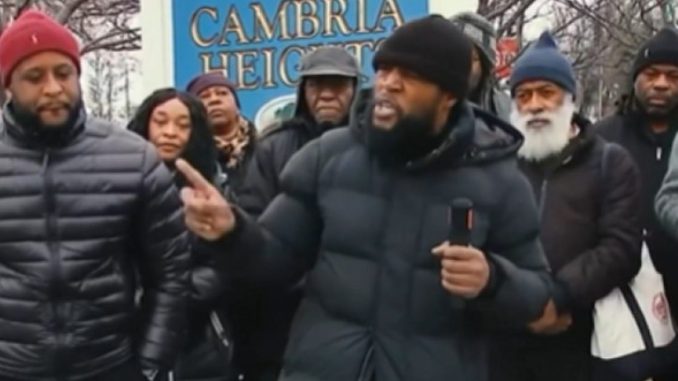
Screencap of Twitter/X video.
Published February 21, 2025
New York City homeowners are expressing intense frustration at the possibility that Mayor Zohran Mamdani may raise property taxes to help close a staggering budget gap, sparking a wave of local outrage that cuts across political lines.
Backlash from Homeowners
Local residents, especially those in Queens, gathered this week to voice their anger after news broke that the administration’s proposed fiscal plan could include a 9.5% increase in property tax rates — the first significant change in decades. Several homeowners criticized the proposal as a broken promise and an unfair burden on middle‑class families already struggling with affordability in one of the nation’s most expensive cities.
One Queens resident, Vivian Campbell, described her home as “her American dream,” emphasizing that despite market pressures and rising costs, she would not leave the community she has built for her family. Others took a more direct tone toward city leadership, with statements such as “Mayor Zohran Mamdani, you are out your goddamn mind?” echoing in the crowd.
Why the Tax Fight?
Facing a projected $5.4 billion shortfall, mayoral officials say they have limited options to balance the budget. Mayor Mamdani has publicly stated that he would prefer to see the state government increase taxes on high earners — an approach supported by his broader political platform — but Governor Kathy Hochul has thus far refused to approve state‑level tax hikes aimed at wealthier residents. As a result, city leadership has floated the property tax solution as an alternative.
The mayor’s team frames this proposal as a reluctant but necessary step if other revenue options fall through, though critics argue it shifts too much burden onto ordinary homeowners.
Political and Social Irony
Commentators on social media and in local broadcasts have framed the unfolding scene as deeply ironic: many voters who supported Mamdani’s progressive agenda did so on promises of affordability and expanded services, only to be confronted with the stark reality of fiscal limits and potential personal tax hikes. Memes and videos capturing residents shouting “Leave our taxes alone!” have circulated widely across platforms like X (formerly Twitter).
Lessons or Disillusionment?
Whether this backlash will influence policy decisions remains uncertain, but the reaction underlines a broader challenge for city leaders who campaign on ambitious promises but must grapple with the realities of governance and budget constraints.
For many New Yorkers, the anger isn’t just about dollars and cents — it’s about a feeling of having been promised one thing and seeing something very different unfold.
"Leave our taxes alone!!!"
NY Democrats are not happy with the new plan by Mayor Mamdani to raise taxes on middle class: pic.twitter.com/NUC5RYx7MF
— End Wokeness (@EndWokeness) February 20, 2026
 Implications of New York’s Proposed Property Tax Hike: A Fiscal Perspective
The proposed property tax increase under Mayor Zohran Mamdani carries significant consequences for New Yorkers. While city officials argue it is necessary to close a $5.4 billion budget gap, a closer look reveals multiple layers of economic and social impact, particularly from the perspective of taxpayers concerned about overreach and financial prudence.
1. Financial Strain on Homeowners
Property taxes are not optional expenses—they are fixed obligations that homeowners must pay regardless of income fluctuations or personal financial circumstances. An increase could push middle-income families into financial stress, forcing them to cut back on essentials, delay education or healthcare expenses, or even consider selling their homes.
For long-term homeowners who have invested decades into their properties, this represents a direct erosion of accumulated wealth, undermining the stability that homeownership is supposed to provide. Renters may also feel the indirect effects, as landlords pass along higher property costs, increasing overall housing expenses.
2. Deterrent to Economic Growth
Higher property taxes reduce disposable income, which limits consumer spending—the engine of local economies. Families may prioritize essential expenses over local goods and services, creating a ripple effect that can hurt small businesses, service providers, and neighborhood vitality.
Additionally, the prospect of rising taxes may discourage new residents and investors from moving into the city, slowing population growth and reducing entrepreneurial activity. In the long run, this can stifle economic diversity and innovation, as high costs discourage risk-taking and reinvestment in local communities.
3. Disincentive to Work and Invest
Taxes that disproportionately affect homeowners and small business owners create a perception that success is penalized. Higher property taxes can reduce motivation for individuals to pursue higher incomes, expand businesses, or invest in real estate improvements, as additional earnings or property upgrades may lead to even higher taxes.
Over time, this can contribute to a brain drain, where talented professionals and business owners relocate to more fiscally predictable areas, taking skills and capital with them. This dynamic weakens the city’s competitive edge relative to other regions.
4. Political and Social Backlash
The reaction from residents, especially in Queens and other middle-class neighborhoods, demonstrates a deepening distrust of city leadership. When government decisions clash with the lived realities of taxpayers, it can fuel political polarization, protests, and organized resistance to policy initiatives.
The social cost is more than just frustration—persistent dissatisfaction can erode civic engagement, making it harder for policymakers to implement future initiatives, even when those initiatives may be necessary or beneficial in other areas.
5. Long-Term Community Impacts
Persistent property tax increases risk reshaping neighborhoods by pushing out families and businesses who can no longer afford to stay, while attracting higher-income residents who can absorb the costs. This can undermine the social and economic diversity that makes communities resilient and vibrant.
Communities may experience reduced cohesion, fewer intergenerational households, and a loss of long-standing local institutions, such as family-owned stores or cultural centers, that rely on a stable tax base to survive.
6. Signals About Government Priorities
From a fiscally cautious perspective, the proposed tax hike raises fundamental questions about government decision-making and priorities. Rather than addressing inefficiencies, cutting unnecessary spending, or seeking voluntary contributions from those with the greatest ability to pay, the city is turning to mandatory taxation on homeowners, many of whom are already financially stretched.
This approach signals a preference for short-term revenue generation over sustainable fiscal planning, and risks creating a cycle where taxpayers bear the brunt of budget shortfalls, discouraging economic participation and undermining trust in government.
 Overall Takeaway: Weighing the True Cost of Tax Hikes
The proposed property tax increase in New York City is more than a simple fiscal adjustment—it is a reflection of government priorities and the limits of residents’ financial capacity. While city officials frame the hike as a necessary response to budget shortfalls, the broader consequences for homeowners, small business owners, and communities cannot be ignored.
Higher property taxes risk straining household finances, discouraging investment, and destabilizing neighborhoods that have long been the backbone of the city. They may also reduce economic activity, drive talent away, and erode trust in government, creating long-term social and financial costs that outweigh the immediate revenue gained.
From a cautious fiscal perspective, this proposal highlights the importance of responsible budgeting, careful planning, and fairness in taxation. Policymakers face a critical choice: continue down a path that places the heaviest burden on those who can least absorb it, or seek alternative solutions that protect families, encourage economic growth, and preserve the vibrancy of New York City’s communities.
Ultimately, the question is not just about dollars and cents—it is about whether city leadership will prioritize sustainable governance over short-term revenue, and whether residents’ financial security will be respected in the process.
SOURCES: THE GATEWAY PUNDIT – OH THE IRONY: Watch New Yorkers Rage About the Prospect of Mayor Zohran Mamdani Raising Their Taxes (VIDEO)