Published March 10, 2025
Lebanon’s government has made an unprecedented diplomatic push to open direct negotiations with Israel in hopes of ending the latest surge of violence that has engulfed its territory — marking one of the most serious attempts by Beirut to step into a political dialogue with Jerusalem in decades.
Why Now? A War on Multiple Fronts
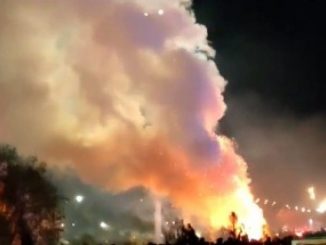
The renewed conflict intensified after Iran‑backed militant group Hezbollah fired rockets into northern Israel in early March 2026 — effectively collapsing the fragile ceasefire that had held since late 2024. Israeli forces responded with heavy airstrikes and incursions into southern Lebanon, raising civilian casualties and displacement across the country.
As fighting has widened — also linked to Israel and the U.S. military campaign against Iran — Lebanon’s civilian toll has climbed sharply, with hundreds killed and over half a million people displaced from their homes.
Lebanon’s Outreach for Peace
Lebanese President Joseph Aoun and other senior officials have publicly called for direct talks with Israel under international auspices, including:
-
A complete ceasefire ending Israeli attacks on Lebanese air, land, and sea.
-
International mediation to oversee negotiations.
-
Discussions on security arrangements, including border stabilization and mechanisms to prevent future escalations.
In several statements over recent days, Aoun accused Hezbollah — which operates independently of state control — of dragging Lebanon into the war, and positioned the Lebanese government as seeking a diplomatic route out of the conflict.
Diplomatic Efforts and Skepticism
Lebanon has also asked the United States and other Western partners to help facilitate peace talks. According to reporting, Beirut reached out to U.S. envoys with the idea of holding ministerial‑level negotiations in a third‑party location such as Cyprus, but initial responses from both Washington and Jerusalem have been cautious or noncommittal.
Israeli officials remain deeply skeptical of formal talks, arguing that without meaningful action against Hezbollah — including full disarmament — negotiations lack substance. Some Israeli sources have characterized the outreach as timely yet insufficient until armed groups are neutralized.
The Hezbollah Factor
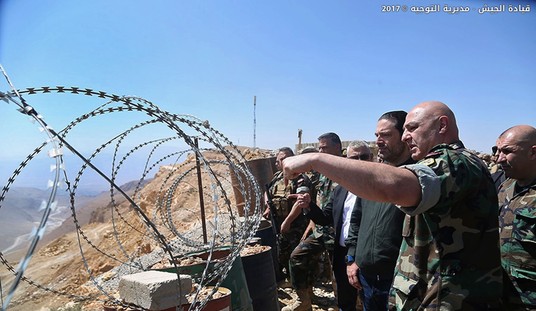
How Lebanon manages Hezbollah’s role will likely determine whether talks can succeed. The Lebanese government has publicly banned Hezbollah’s military activities and said it wants to harness international support to help the Lebanese Armed Forces assume full control of security and disarm the group.
However, analysts point out that Hezbollah continues to function as an influential power center, and there is widespread doubt about the state’s ability to enforce disarmament during active hostilities.
Regional and Global Context
The conflict has spilled beyond the Lebanon‑Israel border:
-
Iran has been targeted by Israeli and U.S. forces in a broader campaign that began in late February 2026, further complicating regional dynamics.
-
Hezbollah’s rocket fire and Israel’s military response have pulled international players into the conversation, with European leaders advocating for negotiated solutions and humanitarian relief.
 Public / Political Reactions
Lebanese Public Response
Across Lebanon, the public reaction has been largely supportive of diplomatic efforts to reduce violence. Years of conflict and repeated airstrikes have left civilians exhausted and displaced, particularly in southern Lebanon and Beirut suburbs. Many Lebanese citizens view the government’s push for talks as a responsible step to protect lives and restore normalcy, while simultaneously holding Hezbollah accountable for dragging the country into conflict.
Social media and opinion polls indicate a growing sentiment that peace and security must take precedence over militant agendas, reflecting widespread frustration with ongoing instability and economic collapse.
Political Reactions Within Lebanon
Lebanese political leaders are signaling a rare moment of unity around diplomacy, even if underlying rivalries remain. President Joseph Aoun and the government have positioned themselves as proactive and pragmatic, emphasizing state sovereignty and control over military affairs. Key lawmakers have praised the initiative as a move to strengthen Lebanon’s legitimacy on the international stage, while urging Hezbollah to adhere to state authority.
Some opposition voices remain cautious, warning that direct talks with Israel carry risks if Israel refuses meaningful concessions or if negotiations fail to restrain armed groups. However, the majority of political figures publicly back efforts that prioritize civilian protection and border security.
Israeli and International Responses
In Israel, officials have welcomed the outreach cautiously, emphasizing that meaningful dialogue must be paired with security guarantees and limits on Hezbollah’s activities. Israeli media largely frames Lebanon’s initiative as a test of whether the Lebanese government can assert authority over armed factions, which would determine Israel’s willingness to engage.
U.S. and European officials have also responded positively but pragmatically, offering to facilitate talks while stressing that any agreements must be enforceable and ensure regional stability. Washington has highlighted the importance of state-led diplomacy over non-state militant actions in promoting long-term peace.
 Potential Effects of Lebanon’s Bid for Direct Talks With Israel
Lebanon’s attempt to engage Israel directly marks a critical moment for the country’s stability, security, and international standing. While skepticism remains, several key outcomes are likely if talks proceed — or even if they fail.
1. Security Stabilization
A successful negotiation could significantly reduce civilian casualties and border skirmishes. By bringing Hezbollah’s actions under state oversight, Lebanon could regain control over its southern border, limit cross-border attacks, and prevent Israeli retaliatory strikes that have repeatedly endangered towns and infrastructure. Even preliminary agreements on ceasefires or monitoring mechanisms would allow Lebanese civilians to rebuild lives in areas previously exposed to violence.
2. Political Legitimacy for Lebanon’s Government
The Lebanese state has long been undermined by armed non-state actors. By taking the lead in pursuing diplomacy, the government strengthens its position domestically and internationally. This could consolidate political authority, increase public trust in official institutions, and marginalize factions that act independently of state oversight, signaling that Lebanon prioritizes national interest over militant agendas.
3. Economic Relief and Foreign Support
Reducing conflict intensity opens the door for humanitarian aid and international investment. Infrastructure damaged by airstrikes and shelling could be rebuilt, trade and commerce restored, and Lebanon could secure financial support tied to peace initiatives. A more secure southern border could also reduce insurance and shipping costs, improving economic resilience amid years of crisis.
4. Regional Stability
If Lebanon demonstrates a credible commitment to controlling armed groups, Israel and neighboring countries may view the state as a reliable partner for diplomacy, not just a battleground. This could de-escalate broader tensions in the Levant, particularly those influenced by Iran’s regional activities. A stabilized Lebanon would serve as a buffer against wider military escalation, reducing risks for civilians in both Lebanon and Israel.
5. Risks if Talks Fail
Failure to negotiate effectively may embolden Hezbollah or other armed groups to continue attacks, resulting in further civilian casualties, military retaliation, and deepening economic collapse. The Lebanese government risks being seen as weak or ineffective, potentially eroding public confidence and international support, while Israel may feel compelled to take preemptive security measures, prolonging the cycle of violence.
That’s great news after all the terrorism that Hezbollah has wreaked over the years, including against Americans.
 Future Outlook: Lebanon’s Bid for Direct Talks With Israel
Lebanon’s outreach to Israel marks a pivotal moment with high stakes for regional security, domestic stability, and international perception. While success is not guaranteed, several scenarios are likely to shape the coming months.
1. Strengthening State Authority
If Lebanon can assert control over Hezbollah and other armed groups, the government could establish itself as the sole authority on security matters. This would enable the Lebanese Armed Forces to secure the southern border, reduce cross-border attacks, and prevent Israel from taking preemptive military action. Over time, stronger state authority could also restore public confidence and weaken extremist influence in domestic politics.
2. Opportunity for Regional De-escalation
A credible ceasefire and structured talks may reduce the likelihood of broader conflict, not just between Lebanon and Israel, but across the Levant. If Lebanon demonstrates a commitment to restraint and diplomacy, neighboring countries and international powers may respond with supportive measures, including humanitarian aid, economic assistance, and security guarantees.
3. Economic Stabilization
Reducing hostilities would open the door for reconstruction and investment, especially in southern Lebanon and Beirut’s peripheral areas. Secure borders and a return to relative peace could allow trade, tourism, and international financing to resume — critical for a nation facing ongoing economic crises.
4. Risks of Escalation if Talks Falter
Failure to achieve meaningful negotiations could embolden Hezbollah or other factions, resulting in continued rocket attacks, Israeli military retaliation, and further civilian casualties. In this scenario, Lebanon’s government risks losing credibility domestically and internationally, while regional instability could intensify. The economic and humanitarian toll would worsen, prolonging displacement and societal disruption.
5. Strategic Implications for Lebanon and Israel
Even partial progress in talks would set a precedent for state-led diplomacy over unilateral militant action, potentially reshaping Lebanon’s role in regional security. Israel, meanwhile, may see a pathway to peace with a legitimate government partner rather than solely confronting non-state actors. The broader Middle East could witness a gradual shift toward negotiated security arrangements, with Lebanon as a case study in balancing internal authority and international diplomacy.
 Bottom Line: Lebanon’s Diplomatic Gamble
Lebanon’s initiative to engage Israel directly represents a high-stakes effort to assert state authority, protect civilians, and restore stability after years of conflict and unrest. By prioritizing diplomacy over unilateral militant action, the government is signaling that national interest and security must guide decision-making.
Success would allow Lebanon to strengthen its borders, enhance political legitimacy, and secure international support for reconstruction and security programs. Even incremental progress could set a precedent for state-led diplomacy, showing that armed factions cannot dictate the country’s path.
However, the risks remain significant. If negotiations fail or armed groups resist state oversight, Lebanon may face further conflict, economic deterioration, and political instability. The outcome will hinge on the government’s ability to enforce its authority, coordinate with international partners, and maintain a clear strategic vision.
Ultimately, Lebanon’s outreach to Israel underscores a simple but crucial reality: lasting stability requires strong state leadership, pragmatic diplomacy, and a commitment to protecting the nation’s people above all else.