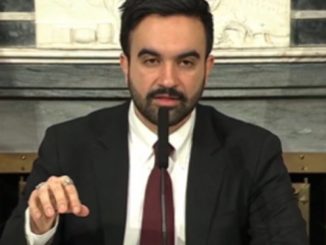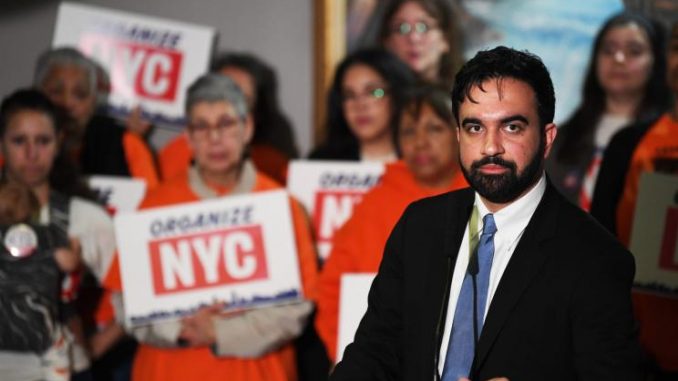
Left-wing activists could be in for a judicial smackdown: Don’t expect Mayor Zohran Mamdani’s rent freeze to survive a constitutional challenge.Matthew McDermott for NY Post
Published June 30, 2026
NEW YORK CITY — New York City’s housing debate has intensified after Democratic mayoral nominee Zohran Mamdani renewed his pledge to freeze rents on the city’s approximately one million rent-stabilized apartments, a proposal that supporters say would provide immediate relief for struggling tenants but critics warn could worsen the city’s long-term housing shortage.
The proposal has become one of the defining issues of the mayoral campaign, highlighting broader disagreements over affordability, landlord finances, housing construction, and the future of New York’s rental market.
What Mamdani Is Proposing
Mamdani has pledged to appoint members to the city’s Rent Guidelines Board who would vote for a 0% rent increase on rent-stabilized apartments.
Unlike market-rate apartments, rent-stabilized units are regulated under New York law, with annual rent adjustments determined by the Rent Guidelines Board.
Supporters argue that after years of rising inflation and increasing living costs, freezing rents would help working-class families remain in their homes without facing additional financial burdens.
Mamdani has described housing affordability as one of New York City’s most urgent economic challenges, arguing that many residents are struggling to keep pace with rising rents and household expenses.

Zohran Mamdani, New York City’s democratic socialist mayor, called the decision ‘a historic victory’ for tenants
Supporters Say Tenants Need Immediate Relief
Tenant advocacy organizations have welcomed the proposal, arguing that many New Yorkers devote a significant share of their income to housing.
Supporters contend that:
- A rent freeze would provide immediate financial relief.
- It could reduce displacement among lower-income families.
- Stable housing may lessen the risk of evictions and homelessness.
- Keeping rents flat could help residents cope with broader inflation.
Many housing advocates also note that rent-stabilized apartments serve as one of the city’s primary sources of affordable housing.
Critics Warn of Unintended Economic Consequences
Opponents argue that freezing rents may create significant financial pressure on landlords, particularly owners of smaller apartment buildings.
Building owners point to rising:
- property taxes,
- insurance premiums,
- maintenance costs,
- labor expenses,
- utility bills,
- financing costs.
Critics argue that if rental income remains unchanged while operating expenses continue increasing, some landlords could struggle to maintain their buildings or invest in repairs.
Some economists also warn that prolonged rent freezes may discourage private investment in multifamily housing.
Concerns Over Housing Supply
Housing economists frequently note that rent controls can influence future housing construction.
Developers often base investment decisions on expected long-term returns.
Critics argue that if future rental income becomes more uncertain, developers could delay or cancel apartment projects, reducing the overall housing supply.
Supporters counter that affordability should take precedence over maximizing investment returns, particularly during a housing affordability crisis.
The Rent Guidelines Board’s Role
Although the mayor appoints members of the Rent Guidelines Board, the board independently votes each year on allowable rent increases for stabilized apartments.
Historically, approved increases have varied depending on economic conditions, inflation, and operating costs.
Even if elected mayor, Mamdani would not unilaterally freeze rents but would influence the composition of the board responsible for making those decisions.
National Debate Over Rent Control
New York’s discussion mirrors broader national debates over rent regulation.
Supporters argue that rent stabilization helps preserve affordable housing and prevents displacement in expensive cities.
Critics maintain that long-term rent controls may reduce housing investment, contribute to maintenance challenges, and ultimately worsen housing shortages by discouraging new construction.
Economists remain divided. While many agree rent regulation can provide short-term tenant protection, opinions differ regarding its long-term impact on housing supply and affordability.
Political Stakes
Housing affordability has emerged as one of the most important issues in the New York City mayoral race.
For Mamdani, the rent freeze proposal reinforces his progressive platform centered on lowering living costs for working families.
Opponents argue that the proposal risks creating additional economic challenges for landlords and could undermine confidence in the city’s housing market.
Regardless of the election outcome, the debate is expected to shape discussions on housing policy well beyond New York, as other high-cost cities closely watch whether stronger rent regulations can improve affordability without reducing the supply of rental housing.
Critics Warn the Policy Could Face a Supreme Court Challenge
Some legal analysts and property-rights advocates argue that a prolonged rent freeze could invite constitutional litigation if enacted.
They contend that preventing landlords from increasing rents while operating costs continue to rise could deprive property owners of a reasonable economic return, potentially violating the Takings Clause of the Fifth Amendment.
Supporters of this argument point to recent Supreme Court decisions that have strengthened protections for private property rights and suggest that courts may be more receptive to challenges against aggressive rent-control measures than in previous decades.
However, supporters of rent stabilization dispute that assessment, noting that courts—including the Supreme Court—have historically upheld various forms of rent regulation when governments demonstrate a legitimate public purpose, such as addressing housing affordability.
Whether a Mamdani-backed rent freeze would ultimately survive judicial review would depend on the specific policy adopted, how long it remained in effect, and how courts evaluate its economic impact on property owners.
 Public / Political Reactions:
🏛️ Zohran Mamdani and Progressive Allies
Mamdani and his supporters have defended the proposed rent freeze as a necessary response to New York City’s affordability crisis.
- Mamdani has pledged to appoint members to the New York City Rent Guidelines Board who would support a 0% rent increase for rent-stabilized apartments.
- Progressive leaders argue that many working-class New Yorkers are struggling with rising housing costs and need immediate financial relief.
- Supporters contend that keeping rents stable would help prevent displacement, reduce housing insecurity, and allow families to remain in their communities.
➡️ Position: A rent freeze is presented as a practical measure to protect tenants facing high living costs.
🏢 Landlords and Property Owners
Landlord organizations have strongly criticized the proposal, warning that it could have serious financial consequences.
- Property owners argue that operating costs—including taxes, insurance, labor, utilities, and maintenance—continue to rise annually.
- Many landlords say a prolonged rent freeze would make it more difficult to maintain aging apartment buildings and finance necessary repairs.
- Industry groups warn that limiting rental income while expenses increase could discourage investment in New York’s housing market.
➡️ Position: Critics argue that a rent freeze would place unsustainable financial pressure on property owners and housing providers.
⚖️ Legal and Property Rights Advocates
Some constitutional scholars and property rights organizations have raised concerns about the proposal’s legal implications.
- Critics argue that repeated or indefinite rent freezes could invite constitutional challenges under the Takings Clause of the Fifth Amendment.
- Some legal commentators believe landlords may seek judicial review if they believe government regulations deny them a reasonable economic return on their property.
- Others caution that any legal challenge would ultimately depend on the specific policy adopted and existing legal precedent.
➡️ Position: Opponents believe the proposal could face significant legal scrutiny if implemented.
📊 Housing Economists and Policy Experts
Economists remain divided over the potential effects of expanded rent regulation.
- Some experts argue that rent stabilization provides important protections for existing tenants during periods of high housing costs.
- Others warn that stricter rent controls may discourage new apartment construction and reduce long-term housing supply.
- Analysts generally agree that increasing the overall housing supply remains a key component of improving affordability.
➡️ Position: Experts broadly agree affordability is a major challenge but differ on whether rent freezes are an effective long-term solution.
🗳️ Political Opponents
Opponents of Mamdani’s proposal have argued that the policy could create unintended economic consequences.
- Critics contend that freezing rents may discourage private investment in multifamily housing.
- Some political opponents warn that the proposal could reduce incentives for maintaining and developing rental properties.
- Others argue that broader housing reforms focused on increasing supply would provide a more sustainable solution to affordability.
➡️ Position: Opponents favor policies that expand housing construction rather than increasing rent regulation.
👥 Tenant Advocates and Affordable Housing Groups
Tenant organizations have largely welcomed the proposal as a way to ease financial pressure on renters.
- Housing advocates argue that many rent-stabilized tenants face significant economic hardship.
- Supporters say a rent freeze could help reduce evictions and preserve affordable housing.
- Advocacy groups continue urging policymakers to prioritize tenant protections alongside efforts to increase housing availability.
➡️ Position: Tenant advocates view the proposal as an important step toward addressing New York City’s housing affordability crisis.
 Resulting Effects:
Zohran Mamdani’s proposal to freeze rents on New York City’s rent-stabilized apartments has intensified debate over housing affordability, property rights, and the future of the city’s rental market. While supporters view the plan as immediate relief for tenants, critics warn it could produce significant legal, economic, and political consequences.
1. Increased Debate Over Housing Affordability
The proposal has brought New York City’s housing crisis back to the forefront of public discussion.
🏙️ Tenant advocates argue that many renters are struggling with rising living costs.
🏠 Policymakers are facing renewed pressure to address housing affordability.
📢 The issue is expected to remain central throughout the mayoral campaign.
➡️ Result: Rent freeze proposal → renewed focus on New York’s housing crisis.
2. Greater Financial Pressure on Landlords
Property owners warn that freezing rents while operating expenses continue to rise could strain building finances.
💰 Costs for insurance, property taxes, labor, utilities, and maintenance continue to increase.
🏢 Smaller landlords may find it more difficult to fund repairs and building improvements.
🔧 Some owners warn that prolonged revenue constraints could affect long-term property maintenance.
➡️ Result: Frozen rental income → increased financial challenges for property owners.
3. Potential Impact on Housing Supply
Housing experts remain divided over how expanded rent controls could affect future development.
🏗️ Some developers may reconsider new apartment projects if expected returns decline.
📉 Critics argue that reduced investment could worsen New York City’s housing shortage over time.
🏘️ Supporters counter that protecting existing tenants should remain the immediate priority.
➡️ Result: Policy uncertainty → continued debate over future housing construction.
4. Possible Legal Challenges
The proposal has prompted discussion about its potential constitutional implications.
⚖️ Property rights advocates argue that prolonged or repeated rent freezes could invite lawsuits.
📜 Some legal analysts believe landlords may challenge the policy under the Fifth Amendment’s Takings Clause.
🏛️ If enacted and challenged, the issue could ultimately be reviewed by higher federal courts, including the U.S. Supreme Court.
➡️ Result: Rent freeze proposal → increased likelihood of constitutional litigation.
5. Growing Political Polarization
The issue has become one of the defining debates in New York City’s mayoral race.
🗳️ Progressive leaders view the proposal as a major affordability initiative.
📢 Opponents argue that expanding housing supply offers a more sustainable long-term solution.
🇺🇸 The debate is expected to influence housing policy discussions beyond New York City.
➡️ Result: Housing policy → deeper political divisions over the role of government in regulating rents.
6. National Attention on Rent Control Policies
The proposal has drawn interest from policymakers and housing experts across the United States.
🌆 Other high-cost cities are closely watching the outcome of New York’s debate.
📊 Economists continue studying the long-term effects of rent regulation on affordability and housing availability.
🤝 The discussion may shape future state and local housing policies nationwide.
➡️ Result: New York’s proposal → broader national debate over rent control and housing reform.
 Future Outlook:
Zohran Mamdani’s proposed rent freeze is expected to remain one of the most closely watched policy debates in New York City. Its future will depend not only on the outcome of the mayoral election, but also on decisions by the Rent Guidelines Board, the response of property owners, and the possibility of legal challenges if the policy is implemented.
1. The Mayoral Election Will Shape the Proposal’s Future
The fate of the rent freeze largely depends on whether Mamdani wins the mayoral race.
🗳️ A victory would allow him to appoint members to the New York City Rent Guidelines Board.
🏛️ The board would ultimately decide whether to approve a 0% increase for rent-stabilized apartments.
📢 Housing affordability is expected to remain one of the defining issues of the campaign.
➡️ Outlook: Election results → determine whether the proposal moves toward implementation.
2. Legal Challenges Could Delay or Reshape the Policy
If a rent freeze is adopted, legal action from property owners is considered likely.
⚖️ Landlord groups may challenge the policy in state or federal court.
📜 Constitutional arguments involving property rights and the Fifth Amendment could become central to the litigation.
🏛️ Depending on the outcome, the dispute could eventually reach the U.S. Supreme Court if broader constitutional questions arise.
➡️ Outlook: Court challenges → could significantly influence the future of rent regulation.
3. Housing Market Reactions Will Be Closely Monitored
Developers, investors, and lenders are expected to evaluate how the proposal affects New York’s housing market.
🏗️ Some developers may delay or reconsider future residential projects while awaiting policy clarity.
💰 Property owners will closely monitor whether rental income keeps pace with rising operating costs.
📈 Economists will assess the policy’s impact on investment, maintenance, and housing supply.
➡️ Outlook: Market response → key indicator of the policy’s long-term economic effects.
4. Pressure for Broader Housing Reforms May Increase
Regardless of the rent freeze’s outcome, many experts believe additional reforms will still be necessary.
🏘️ City leaders are likely to face continued calls to increase housing construction.
📄 Policymakers may pursue zoning reforms, tax incentives, and affordable housing initiatives alongside tenant protections.
🤝 Both tenant advocates and property owners are expected to continue pressing for long-term housing solutions.
➡️ Outlook: Rent freeze alone → unlikely to resolve New York City’s broader housing shortage.
5. National Debate Over Rent Control Will Continue
New York’s experience could influence housing policy discussions across the United States.
🌆 Other cities facing affordability challenges may closely watch the results of the proposal.
📊 Policymakers will likely compare New York’s approach with alternative housing strategies adopted elsewhere.
📰 The outcome could shape future debates over balancing tenant protections with private investment.
➡️ Outlook: New York’s policy → potential model or cautionary example for other jurisdictions.
6. Affordability Will Remain a Central Political Issue
Even beyond the current election cycle, housing costs are expected to remain a dominant concern.
👨👩👧 Renters will continue seeking relief from rising housing expenses.
🏢 Property owners will advocate for policies that allow sustainable building operations and maintenance.
⚖️ Future administrations may face ongoing pressure to balance affordability, housing supply, and property rights.
➡️ Outlook: Housing affordability → expected to remain one of New York City’s most significant public policy challenges.
 Bottom Line:
If I were a renter in New York City, I would be asking a simple question: What happens if my landlord decides it’s no longer worth renting out the apartment?
A rent freeze may sound like immediate relief, but housing doesn’t operate without costs. Property taxes, insurance, utilities, repairs, maintenance, and labor expenses continue to rise regardless of whether rent increases. If landlords are expected to absorb those costs year after year without additional income, some may conclude that keeping apartments on the rental market simply isn’t financially sustainable.
That could lead some owners—particularly small landlords—to postpone repairs, sell their properties, convert units where legally possible, or leave apartments vacant rather than operate them at a loss. If fewer apartments are available for rent, the very people the policy is intended to protect could find it even harder to secure housing. For renters whose leases eventually end or who need to move, a shrinking supply of available apartments could increase competition and make finding an affordable home even more difficult.
Housing affordability is a real crisis that deserves meaningful solutions. But any policy should carefully balance tenant protections with the economic realities of owning and maintaining rental housing. Otherwise, there is a risk that today’s rent relief could contribute to tomorrow’s housing shortage—leaving more New Yorkers with fewer options and potentially increasing the risk of housing insecurity rather than reducing it.
SOURCES: THE NEW YORK POST – Mamdani’s rent-freeze win could come back to bite him — at the Supreme Court
SOUTH CHINA MORNING POST – New York City freezes rents for 1 million flats in win for Mamdani
THE WALL STREET JOURNAL – What Freeze? Rent for Mamdani’s Former Apartment Just Rose More Than 30%