Reported by:

Cherry Meigh Timbol
News Content Editor
Published August 5 , 2026
New York City Mayor Zohran Mamdani is facing growing criticism after new details emerged about his proposed city-owned grocery store initiative, with opponents questioning the plan’s feasibility and economic impact. The controversy intensified following reports that the administration adjusted or walked back parts of the rollout while releasing a vendor request outlining how the stores would operate.
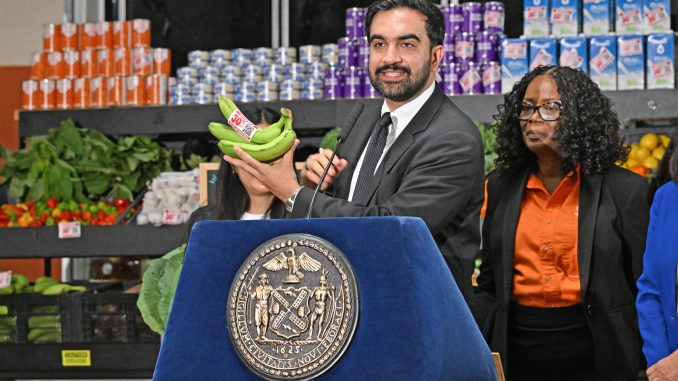
 But a recent analysis of the New York City Economic Development Corporation’s plans for the grocery stores reveals that the “ridiculous idea” will only lead to “crappy” stores, restaurateur Nick Kokonas claimed.Gregory P. Mango for NY Post
The proposal aims to establish five city-owned grocery stores—one in each borough—offering essential food items at roughly 30% below market prices. City officials say the plan is designed to address rising food costs and improve access to affordable groceries, particularly in underserved communities.
However, newly released details in a request for proposals (RFP) have sparked criticism from industry experts and political observers, who argue that the business model may be impractical and difficult to sustain.
Criticism Over Business Model and Execution
The vendor request revealed several operational challenges that critics say could undermine the program.
- Only some store locations have been identified, yet vendors are expected to project financial performance for all planned sites.
- Operators would be responsible for running the stores, while the city handles construction and design, raising concerns about unclear responsibilities.
- The plan includes a subsidized “core basket” of goods priced below market rates, which critics say may be difficult to maintain financially.
Some analysts argue that the structure could lead to inefficiencies and place an uneven burden on private operators participating in the program.
 While the RFP says that preference is given to bidders who “seek to run all five (5) sites,” only two of the five locations – one in Manhattan and another in the Bronx – have actually been identified. Gregory P. Mango for NY Post
 Other bizarre choices highlighted in the plan by Kokonas include the grocery’s stated goal to have a “limited” variety of foods – while also carrying kosher, halal, vegan, dairy-free and diabetic options. Gregory P. Mango for NY Post
Debate Over Economic Impact
The proposal has fueled broader debate over the role of government in the retail food sector.
- Critics warn the subsidized pricing model could distort competition and negatively affect small businesses such as local grocers and bodegas.
- Others argue that taxpayer funding may ultimately be required to sustain the program if revenues fall short.
- Supporters counter that the initiative could provide meaningful relief to residents struggling with high grocery prices.
The plan has become part of a larger discussion about how cities should respond to inflation and affordability concerns.
 “No means test. Anyone can shop there. So taxpayers will subsidize groceries for affluent shoppers who happen to live nearby, while needy families elsewhere get zero,” Kokonas said. Gregory P. Mango for NY Post
Questions Over Implementation and Policy Details
Additional concerns have emerged regarding how the stores would operate in practice.
- The proposal includes restrictions such as not selling alcohol or tobacco products, while emphasizing healthier food options.
- Reports indicate that eligibility requirements for discounted goods may not include strict income verification, raising concerns about how subsidies will be distributed.
- Some critics say the lack of clarity in operational rules could complicate implementation.
These questions have contributed to uncertainty about how the program would function on a day-to-day basis.
👥 Public / Political Reactions:
🏛️ Republican Leaders
Republican officials and conservative commentators strongly criticized the city-owned grocery store proposal.
- Critics argued that government-run stores could distort the free market and harm small businesses.
- Some lawmakers described the plan as unrealistic and overly dependent on taxpayer funding.
- Conservative voices questioned whether the city should be directly involved in retail operations.
➡️ Position: Republicans largely oppose the plan, viewing it as government overreach into the private sector.
🌹 Progressive and Left-Leaning Supporters
Supporters within progressive circles have defended the proposal as a response to rising living costs.
- Advocates argue that city-run stores could improve access to affordable food in underserved areas.
- Some supporters say the plan addresses systemic issues in food pricing and distribution.
- Others view the initiative as a test case for alternative economic models.
➡️ Position: Progressives support the plan as a way to expand food access and challenge traditional market systems.
🏙️ Local Business Owners
Small business owners, particularly grocery operators and bodegas, have expressed concern.
- Many fear subsidized city stores could undercut private businesses.
- Owners worry about losing customers to lower-priced government-backed competitors.
- Some have called for support programs instead of direct government competition.
➡️ Position: Local businesses are concerned about unfair competition and potential financial impact.
📊 Economic and Policy Experts
Analysts and economists are divided on the feasibility of the proposal.
- Some experts question whether the pricing model is financially sustainable.
- Others note that similar programs have struggled without long-term subsidies.
- A number of analysts emphasize the need for clear operational guidelines and accountability.
➡️ Position: Experts remain cautious, highlighting both potential benefits and significant risks.
🏛️ New York City Officials
City officials have defended the initiative while acknowledging challenges.
- The administration has stated the goal is to reduce food costs and improve accessibility.
- Officials argue the program is targeted and limited in scope.
- Some have indicated adjustments may be made based on feedback and feasibility.
➡️ Position: City leaders support the plan but signal flexibility in its implementation.
👥 Public Response
Public reaction has been mixed across New York and beyond.
- Supporters see the proposal as a needed intervention amid rising grocery prices.
- Critics question whether taxpayer funds should be used for retail operations.
- Social media discussions reflect broader debates over affordability and government roles.
➡️ Position: Public opinion remains divided, with strong views on both sides of the issue.
🏛️ Broader Political Impact
The controversy has become part of a wider political conversation about economic policy.
- The plan is being cited in debates over government involvement in markets.
- Lawmakers may use the issue to highlight broader ideological differences.
- The proposal could influence future policy discussions on affordability and public services.
➡️ Position: The issue has intensified debate over economic policy, government intervention, and public spending priorities.
⚠️ Resulting Effects:
The controversy surrounding Mayor Zohran Mamdani’s city-owned grocery store proposal has intensified debate over government intervention, economic policy, and food affordability in New York City. As new details emerged and parts of the plan were adjusted, the issue has already begun shaping political discourse and public expectations.
1. Scrutiny of the Plan Has Increased
The release of vendor requirements and shifting details has drawn heightened attention to the proposal.
🏛️ Lawmakers and watchdog groups are examining the feasibility of the business model.
📋 Questions have emerged regarding funding, operations, and long-term sustainability.
🔍 Media coverage has expanded as more details become public.
➡️ Result: New disclosures → increased scrutiny of the grocery store plan.
2. Debate Over Government Role in Markets Has Intensified
The proposal has reignited ideological debates about public vs. private sector roles.
⚖️ Critics argue that government-run stores could disrupt fair competition.
🏪 Supporters believe intervention is necessary to address rising food costs.
📊 The issue reflects broader disagreements over economic policy approaches.
➡️ Result: City-run store proposal → renewed debate over government intervention.
3. Concerns Among Small Businesses Have Grown
Local grocery stores and bodegas are reacting to the potential impact.
🏙️ Business owners fear losing customers to subsidized pricing.
💰 Concerns have been raised about unequal competition with city-backed stores.
📉 Some warn of possible closures if the plan significantly affects revenue.
➡️ Result: Subsidized pricing model → increased concern among small businesses.
4. Political Pressure on City Leadership Has Intensified
The controversy has placed Mayor Mamdani and his administration under closer scrutiny.
🏛️ Political opponents are using the issue to challenge the administration’s policies.
📣 Calls for greater transparency and clearer planning have increased.
🗳️ The proposal may influence public perception of city leadership.
➡️ Result: Public criticism → increased political pressure on leadership.
5. Public Debate Over Food Affordability Has Expanded
The plan has brought renewed focus to the issue of rising grocery costs.
👥 Residents are discussing solutions to affordability challenges.
💬 Some support intervention, while others prefer market-based approaches.
📈 The issue has gained traction on social media and in public discourse.
➡️ Result: Grocery plan controversy → expanded debate on food affordability.
6. Uncertainty Around Implementation Has Grown
Changes and questions about the plan have created uncertainty about its future.
⚠️ Adjustments to the rollout have raised concerns about consistency.
📦 Operational challenges remain unclear as details continue to evolve.
🔄 The timeline and final structure of the program are still uncertain.
➡️ Result: Shifting details → increased uncertainty about implementation.
7. Broader Policy Discussions Are Emerging
The proposal is influencing wider conversations about urban policy solutions.
🌍 Other cities may watch the initiative as a potential model or cautionary example.
🏛️ Policymakers are considering alternative approaches to affordability issues.
📡 The debate may shape future discussions on public service expansion.
Result: High-profile proposal → broader policy debate on urban solutions.
🔮 Future Outlook:
The debate surrounding Mayor Zohran Mamdani’s city-owned grocery store proposal is expected to continue as policymakers, businesses, and the public assess its feasibility and long-term impact. While the plan aims to address rising food costs, ongoing criticism and unresolved operational questions suggest the issue will remain a key topic in local politics and economic policy discussions.
1. Political Scrutiny Is Expected to Continue
City leaders and lawmakers are likely to keep examining the proposal in detail.
🏛️ Officials may call for clearer plans on funding, operations, and oversight.
📋 Additional hearings or reviews could be introduced to assess feasibility.
🔍 Media and public attention will remain focused on how the plan evolves.
➡️ Outlook: Continued scrutiny → greater pressure for transparency and clarity.
2. Implementation Will Face Key Challenges
The success of the proposal will depend on how operational issues are resolved.
📦 Vendor participation may be affected by unclear responsibilities and financial risks.
⚠️ Logistics, pricing models, and supply chains will need careful planning.
🔄 Adjustments to the plan are likely as feedback from stakeholders continues.
➡️ Outlook: Operational hurdles → possible delays or revisions.
3. Economic Impact Will Be Closely Monitored
The proposal’s effect on local businesses and the broader market will remain under review.
🏪 Small business owners will watch for signs of competitive pressure.
📉 Analysts will evaluate whether subsidized pricing is sustainable.
📊 Policymakers may adjust strategies based on economic outcomes.
➡️ Outlook: Market response → ongoing evaluation of economic viability.
4. Public Debate Over Government Intervention Will Persist
The issue is expected to remain part of broader ideological discussions.
⚖️ Critics will continue questioning the role of government in retail markets.
💬 Supporters will argue for intervention to address affordability concerns.
📣 The topic may remain active in political campaigns and public forums.
➡️ Outlook: Ongoing debate → continued political and ideological division.
5. Potential Policy Adjustments May Emerge
City officials may revise elements of the plan in response to criticism.
📋 Changes could include pricing structures, eligibility rules, or store operations.
🤝 Collaboration with private partners may be expanded or restructured.
📡 Feedback from experts and stakeholders will likely shape future decisions.
➡️ Outlook: Feedback and criticism → possible policy modifications.
6. Public Interest in Food Affordability Will Remain High
The proposal has brought attention to rising grocery costs in urban areas.
👥 Residents are expected to continue demanding solutions to affordability challenges.
📈 The issue may influence future initiatives addressing cost of living concerns.
💬 Discussions around access to affordable food are likely to persist.
➡️ Outlook: Continued concern → sustained focus on food affordability.
7. Long-Term Viability Remains Uncertain
The future of the program will depend on both political support and practical outcomes.
⚠️ The initiative could serve as a model if successful—or a cautionary example if it struggles.
🏛️ Long-term funding and management will be key factors in sustainability.
🌍 Other cities may monitor the program before adopting similar approaches.
➡️ Outlook: Uncertain results → long-term impact yet to be determined.
🧩 Bottom Line:
Bottom Line:
Mayor Zohran Mamdani’s city-owned grocery store proposal has evolved into more than just a policy idea—it has become a focal point for broader debates about government intervention, economic fairness, and the rising cost of living. While the plan aims to make food more affordable, it has also sparked concerns about feasibility, market impact, and long-term sustainability.
Supporters see it as a bold attempt to address food insecurity and provide relief to residents, while critics warn of potential unintended consequences for small businesses and market dynamics. As scrutiny continues and details are refined, the proposal’s success will depend on how effectively it balances public goals with practical implementation.
Ultimately, the initiative highlights a larger question facing many cities: how far governments should go in directly addressing economic challenges. Whether it becomes a successful model or a cautionary example, its outcome will likely influence future policy discussions well beyond New York City.
SOURCES: REDSTATE – Zohran Mamdani Hit With More Bad News After Walking Back Grocery Store Announcement
THE NEW YORK POST – Mamdani’s ‘ridiculous’ NYC-owned grocery store plan has a shockingly bad business model: critics