Reported by:

Cherry Meigh Timbol
News Content Editor
Published August 22, 2026
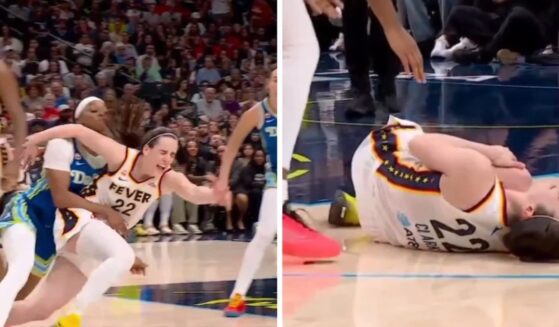
For months, the conversation around Caitlin Clark has followed a familiar script. She takes a hard hit, fans erupt online, commentators argue over intent, and the WNBA finds itself defending its officiating instead of celebrating its basketball.
The latest controversy pushed that debate even further when a broadcaster reportedly described the collision using the football term “targeting”—language typically associated with dangerous, high-risk hits in the NFL rather than ordinary basketball contact. Whether that label is fair or exaggerated, it reveals how many viewers now perceive the treatment of the league’s brightest attraction.
A superstar changes the standard
Every professional league eventually faces the same challenge: how do you protect your biggest stars without giving them special treatment?
The NBA wrestled with it during the eras of Michael Jordan, Kobe Bryant, and Stephen Curry. The NFL has repeatedly adjusted rules to protect quarterbacks. Baseball protects its franchise pitchers with pitch counts and safety protocols.
The WNBA now faces its own version of that dilemma.
Caitlin Clark has helped transform women’s basketball into a mainstream television product, bringing record audiences, sold-out arenas, and unprecedented commercial attention. That success doesn’t mean she deserves favorable whistles—but it does mean the league has an obligation to ensure the game’s most valuable asset isn’t repeatedly defined by preventable dangerous contact.
Physical basketball isn’t the problem
Let’s be clear: basketball is supposed to be physical.
Hard screens. Aggressive defense. Contested drives. Those are part of what makes the sport compelling.
The concern begins when repeated excessive contact appears to blur the line between competitive intensity and reckless play. Fans aren’t asking officials to remove toughness from the game—they’re asking them to apply the same standards consistently, regardless of the player wearing the jersey.
Consistency is what creates trust. Inconsistency creates conspiracy theories.
The real damage happens after the whistle
Perhaps the biggest loser isn’t Caitlin Clark—it’s the league itself.
Every viral replay becomes another social media battlefield filled with accusations involving race, favoritism, media bias, and league politics. The actual basketball gets buried beneath endless debates over officiating and player safety. Even national commentators have noted that Clark has become an unwilling symbol in broader cultural arguments that extend far beyond sports.
That isn’t healthy for a league experiencing historic growth.
The WNBA should want headlines about elite passing, clutch shooting, and championship races—not about whether another hard hit crossed the line.
Protect the game, not the celebrity
The strongest argument isn’t that Caitlin Clark deserves unique protection.
It’s that every player deserves predictable enforcement of the rules.
If a foul is reckless, call it reckless. If it’s flagrant, assess it immediately. If discipline is warranted, apply it without regard to popularity, race, or marketability. That approach protects rookies, veterans, role players, and superstars equally.
Ironically, treating Clark fairly may require resisting both extremes: neither ignoring dangerous contact because she’s famous nor rewarding her simply because she’s the league’s biggest draw.
🧩 Bottom Line:
I’ve watched the replays, and it’s hard to ignore the feeling that what’s happening to Caitlin Clark has gone too far. This isn’t about asking for special treatment because she’s a superstar—it’s about expecting the same fairness and professionalism that every athlete deserves.
The most troubling part isn’t always the hit itself; it’s the silence that follows. When referees fail to make the obvious call, they send the wrong message to players, fans, and the league. Missed flagrant fouls don’t just change possessions—they damage trust in the integrity of the game.
A league that wants to be taken seriously must hold its officials to the highest standard. Protecting players isn’t favoritism; it’s the foundation of professional sports. If the WNBA wants its future to be defined by greatness, it cannot allow its biggest moments to be overshadowed by officiating that too often leaves fairness in question.