Published March 11, 2025
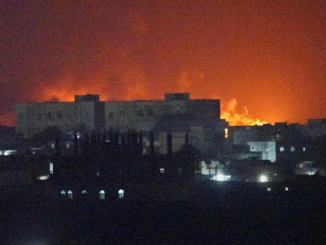
Operation Epic Fury — the joint military campaign led by the United States and Israel against Iran — entered its eleventh day, with U.S. defense officials reporting intensified strikes against Iranian military infrastructure, and Tehran continuing retaliatory attacks across the Middle East.
Day Eleven: U.S.–Led Strikes Continue
On March 10, U.S. Defense Secretary Pete Hegseth announced that the day would be the most intense yet for U.S. strikes on Iranian targets since the campaign began on February 28. He told Pentagon reporters that U.S. forces were deploying the largest number of aircraft and sorties so far, aiming to degrade Iranian missile stockpiles, drone production facilities, and naval assets.
Chairman of the Joint Chiefs of Staff General Dan Caine reported that the U.S. military has struck more than 5,000 targets inside Iran, including missile sites and strategic production facilities. Iranian ballistic missile launches have reportedly dropped dramatically since the campaign’s outset, and one-way attack drones have decreased sharply.
In addition to strikes on weapons infrastructure, U.S. forces are targeting Iranian naval and mine‑laying capabilities, with the goal of preventing threats to commercial shipping in the Strait of Hormuz — a critical artery for global energy markets.
Casualties, Retaliation, and Regional Impact
Recent reporting shows that about 140–150 U.S. service members have been wounded since the conflict began, far more than previously disclosed, though most injuries are minor and troops have returned to duty. Eight are listed as severely wounded.
Iran continues to strike U.S. bases and allied territory across the Gulf. Gulf Arab states such as United Arab Emirates, Saudi Arabia, Kuwait, and Bahrain have reported missile and drone activity, with some impacts and evacuations in civilian areas.
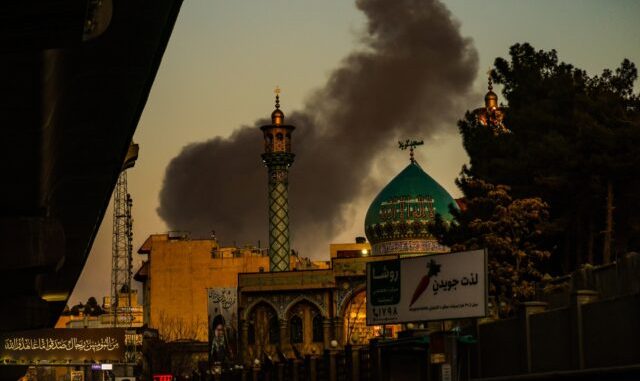
Meanwhile, Israeli air campaigns have targeted infrastructure in and around Tehran, resulting in large plumes of toxic smoke and international concern about civilian and environmental harm.
Economic and Global Consequences
The conflict is creating economic shockwaves beyond the battlefield. Disruptions to trade and energy exports have affected regions as far away as Central Asia, where landlocked economies dependent on Iranian trade routes are facing rising costs and supply challenges.
Oil prices spiked sharply early in the conflict — at one point approaching $120 per barrel — before pulling back slightly, but remain elevated compared with pre‑war levels due to threats in the Hormuz corridor.
The cost of the campaign itself has been steep: analysts estimate that U.S. military operations spent billions of dollars in munitions and operational expenses in the first week alone.
Political and Public Responses
Domestically, the conflict has drawn increasing scrutiny. Members of Congress have called for public hearings on the war’s legality and oversight, pressing for clear exit strategies and accountability.
White House officials, including Press Secretary Karoline Leavitt, have argued that U.S. actions could bring down domestic fuel prices rapidly if oil supplies stabilize, even as energy markets remain under strain.
The United Nations is preparing to consider resolutions condemning Iranian attacks on neighboring states, reflecting rising global concern over the escalation.
 Strategic Implications of Operation Epic Fury
- Demonstrating U.S. Resolve
Operation Epic Fury shows that the U.S. is willing to act decisively to protect its interests and allies. This level of commitment signals to Iran and other regional actors that hostile behavior will carry severe consequences. Maintaining this posture discourages adversaries from testing U.S. military and strategic will, reinforcing long-term deterrence. - Securing Critical Trade Routes
The campaign prioritizes the protection of the Strait of Hormuz, a chokepoint through which a significant portion of global oil exports flows. By neutralizing threats such as Iranian mines and naval disruptions, the U.S. ensures continuity of global energy markets, prevents supply shocks, and safeguards economic stability both domestically and internationally. - Strengthening Alliances
Coordinated actions with U.K., France, and Australia illustrate the U.S.’s commitment to its allies and reinforce shared security interests. This collaboration not only reassures partner nations of U.S. reliability but also enhances operational effectiveness through shared intelligence, technology, and strategic planning. - Economic Stability and Global Market Confidence
By limiting Iranian interference with shipping and energy exports, Operation Epic Fury reduces the risk of sudden price spikes and global economic disruptions. Stability in energy markets is critical not only for American consumers but also for allies whose economies are dependent on reliable oil flows. - Deterring Future Adversaries
A sustained and visible military campaign sends a clear message: aggressive actions against U.S. interests will be met with rapid and decisive responses. This principle of accountability discourages not just Iran, but other nations and non-state actors, from escalating regional conflicts or exploiting perceived gaps in U.S. resolve. - Reinforcing Long-Term Vigilance
The operation highlights the importance of preparedness and enduring presence. Even as immediate objectives — such as degrading Iranian missile capabilities — are achieved, the U.S. must continue to monitor potential retaliation, proxy attacks, and regional instability, ensuring that gains are consolidated and sustained over time. - Enhancing Diplomatic Leverage
Military strength provides the U.S. with a greater negotiating position in diplomacy. Allies, adversaries, and neutral parties are more likely to take U.S. positions seriously when backed by credible force, allowing for strategic agreements without sacrificing security or giving in to coercion. - Protecting Regional Stability
The campaign underscores the U.S.’s role in maintaining order in a volatile region. By countering Iran’s ability to threaten Gulf allies and critical infrastructure, Operation Epic Fury helps prevent broader escalation, limiting the potential for wider conflict and humanitarian crises. - Demonstrating Technological and Tactical Superiority
The operation highlights U.S. military capabilities in precision strikes, intelligence gathering, and rapid deployment. Showcasing advanced technology not only improves mission success but also reinforces global perceptions of U.S. power, shaping the strategic calculations of other regional and global actors.
 Overall Takeaway: Broader Dynamics and Strategic Stakes
Operation Epic Fury has entered its eleventh day amid heavy U.S. and allied strikes on Iran’s military infrastructure and defensive networks — and while battlefield success is described by U.S. officials as substantial, the conflict is far from settled. Pentagon updates suggest that Iran’s offensive capabilities have declined sharply, with Iranian ballistic missile launches down significantly, but strikes against U.S. and partner forces continue.
The human and economic costs of the war are significant. Updated casualty figures indicate that around 140–150 U.S. service members have been wounded, and the total U.S. military deaths tied to the campaign have risen as well. Meanwhile, Reuters and other analyses suggest that Iranian forces and proxies have incurred well over a thousand fatalities, including combatants and civilians.
Regionally, the conflict has spread beyond Iran’s borders, with Iranian missiles and drones targeting U.S. allies and bases in the Gulf, and heightened tensions in countries like Kuwait and Bahrain. This has reinforced the strategic logic of maintaining robust deterrence — ensuring that friendly governments and critical infrastructure are protected through strength, preparedness, and coordinated defense planning.
Economically, risks remain. The Strait of Hormuz — a vital artery for global energy supplies — continues to face disruptions and threats of closure, which could affect oil markets and global supply chains if the fighting persists.
Ultimately, the war reveals the complex interplay of military power, alliance commitments, and strategic deterrence. Effective defense — demonstrated through sustained offensive pressure combined with protective measures for partners — sends a message that threats to U.S. interests will be met with decisive action. But these same dynamics make clear that vigilance and readiness will be required for the long haul, as commanders and policymakers balance battlefield objectives with broader regional stability.
SOURCES: BREITBART – **Livewire** Operation Epic Fury Day Eleven: The Latest News From Iran and the Middle East
REUTERS – Exclusive: As many as 150 US troops wounded so far in Iran war, sources say
THE DIPLOMAT – Operation Epic Fury Moves East: The Iran Conflict Has Left the Middle East