Published March 29, 2026
The Pentagon has quietly drafted detailed plans for possible U.S. ground operations in Iran, presenting President Donald Trump with concrete options as U.S. Marines and airborne troops arrive in the Middle East amid escalation in the Iran conflict. At the same time, Iranian leadership issued some of its harshest warnings yet — declaring its forces “waiting for U.S. troops” and prepared to “set them on fire” should a ground invasion occur.
Pentagon Prepares Limited Ground Options
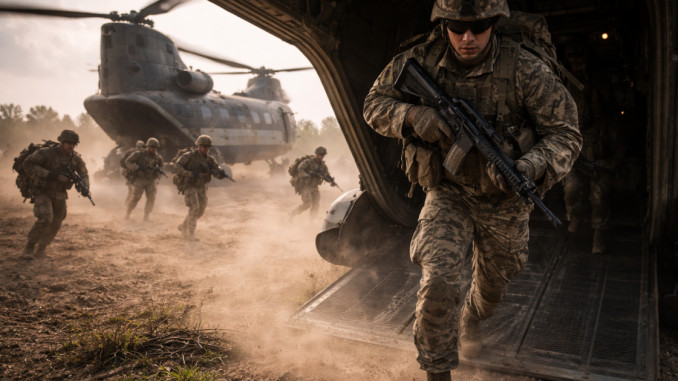
According to senior U.S. defense officials, the Pentagon has developed contingency plans for what would be a limited ground campaign in Iran — not a full‑scale invasion, but a series of targeted raids and operations designed to strike strategic sites such as coastal installations and oil facilities near the Strait of Hormuz. These plans reportedly call for weeks of sustained operations involving conventional infantry and special forces, likely exposing U.S. troops to Iranian missiles, drones, and other threats.
Although Trump has not publicly ordered a full ground invasion, the buildup of U.S. forces — including approximately 2,000 paratroopers from the 82nd Airborne Division and 2,500 Marines already in theatre — signals a shift in posture that gives military leaders broader options on the battlefield.
Tehran’s Blunt Warning to U.S. Forces
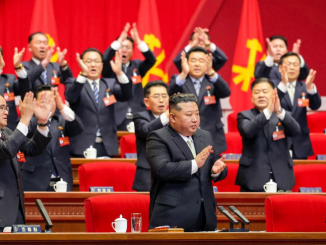
As U.S. troops and Marines stream into the region, Tehran’s response has grown sharper and more visceral. Iranian Parliament Speaker Mohammad Bagher Qalibaf warned that Iranian forces are “waiting for U.S. ground troops” and would retaliate fiercely if they enter Iranian soil — bluntly saying opposing forces would be “set on fire.” Those remarks underscore Tehran’s intent to fiercely defend its territory and send a stark message to Washington.
The warning comes amid broader regional mobilization and intense diplomatic efforts by neighboring states to temper the crisis. Talks held in Pakistan included foreign ministers from Egypt, Saudi Arabia and Turkey aimed at crafting a cease‑fire pathway — even as Tehran dismisses peace overtures as a smokescreen for deeper military intervention.
🧩 Reading Between the Lines:
Beneath the headlines about Pentagon planning and Iranian threats lies a deeper story about strategy, deterrence, and national security. The moves in the Middle East signal more than just troop deployments—they reveal how the U.S. is positioning itself to protect interests, maintain credibility, and prevent escalation. Key takeaways include:
- Preparedness Over Surprise
The Pentagon’s detailed ground invasion plans show that the U.S. is anticipating all possible scenarios, ensuring that decisions are deliberate and calculated rather than reactive. - A Show of Strength
Deploying Marines and airborne troops signals resolve to both allies and adversaries, reinforcing that the U.S. is ready to defend its interests and personnel. - Deterrence in Action
Tehran’s threats to “set U.S. troops on fire” underscore the stakes, but the very presence of U.S. forces acts as a counterbalance, reminding adversaries that aggressive action will be met with immediate consequences. - Diplomacy Remains in Play
While military planning dominates attention, regional diplomacy continues. Strategic positioning allows the U.S. to negotiate from a position of strength without rushing into a full-scale conflict. - Implications for Global Credibility
How the U.S. responds now will shape perceptions worldwide. Demonstrating disciplined readiness reinforces trust with allies and signals that threats will not go unchecked.
🔗 The Stakes:
The potential for a U.S. ground operation in Iran carries profound implications for national security, regional stability, and global credibility. The decisions made in the coming days will determine whether the United States successfully deters aggression or risks deeper entanglement. Key considerations include:
- High-Risk Military Exposure
Ground troops face threats from well-armed Iranian forces, including missile strikes, drones, and unconventional tactics. Every step into Iranian territory could escalate into a costly conflict. - Regional Stability at Risk
Neighboring nations watch closely, and any misstep could trigger wider confrontations across the Middle East, impacting allies and international trade routes such as the Strait of Hormuz. - Strategic Credibility
How the U.S. handles threats and warnings from Tehran will signal its resolve to both adversaries and allies. Hesitation or miscalculation could embolden hostile actors elsewhere. - Domestic and Global Political Fallout
Decisions made now could spark debate at home and abroad, affecting public perception, diplomatic relationships, and the ability to shape outcomes through negotiation. - Balancing Military and Diplomatic Tools
The stakes are not only on the battlefield. How effectively the U.S. leverages diplomacy alongside military readiness could determine whether escalation is avoided or made inevitable.
🏁 The Bottom Line:
The situation in Iran is very serious, and the United States has to act carefully. The Pentagon is preparing detailed plans for a possible ground operation, making sure troops are ready for every scenario. This careful planning shows that the U.S. wants to protect its soldiers and avoid mistakes that could turn a limited operation into a bigger war.
Iran’s warnings that they are “waiting for U.S. troops” and will strike back show the risks involved, but they also show why the U.S. needs to stay strong and clear. Sending troops is not about starting a war—it is about showing that America will defend itself and its interests if necessary.
What happens next will affect not just the soldiers on the ground, but also how other countries in the Middle East and around the world view the United States. A strong and prepared response can prevent Iran or other nations from testing U.S. limits. At the same time, careful planning and clear strategy help avoid unnecessary conflict and keep diplomatic options open.
In short, staying ready, showing strength, and thinking ahead is the best way to protect troops, defend national interests, and prevent a smaller crisis from turning into a larger war.
SOURCES: THE GATEWAY PUNDIT – REPORT: Pentagon Hands Trump Iran Ground Invasion Plans as President Weighs Next Move
THE INDEPENDENT –Iran-US war latest: Tehran says forces waiting for US troops and will ‘set them on fire’ as marines arrive in Middle East
TRT WORLD – Pentagon preparing for weeks-long ground operations in Iran — report