Reported by:

Cherry Meigh Timbol
News Content Editor
Published October 9, 2026
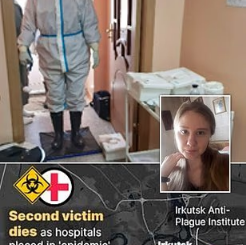
IRKUTSK, Russia — The death of a 28-year-old laboratory technician at a plague research institute in Siberia has raised questions about laboratory safety and the possibility of accidental exposure to dangerous pathogens, prompting precautionary monitoring and international requests for more information.
Darya Shipilova, who worked at the Irkutsk Anti-Plague Research Institute, died on October 2 after developing severe pneumonia. Russian authorities have attributed her death to pneumonia of unknown origin and have not confirmed that she was infected with plague, according to Reuters reporting published October 6.`
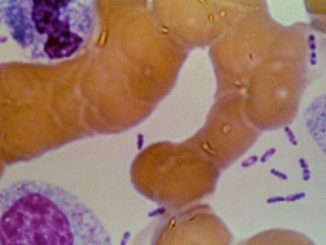
Reports that Shipilova may have accidentally broken a container holding live Yersinia pestis, the bacterium responsible for plague, have circulated since her death. However, the circumstances of any possible laboratory accident remain unverified, and no confirmed link between the reported incident and her illness has been established.
Russian authorities imposed precautionary quarantine and monitoring measures for people who may have had contact with the technician. Reuters reported that approximately 200 people were initially subject to precautionary measures. Authorities also reported that thousands of laboratory tests had been conducted, with no plague cases detected among those investigated at the time of its report.
The World Health Organization said the available information did not indicate a wider outbreak. WHO spokesperson Christian Lindmeier said the identified contacts were being monitored and that none had developed symptoms at the time of the organization’s assessment. The WHO assessed the public-health risk as low in Russia and very low for Europe.
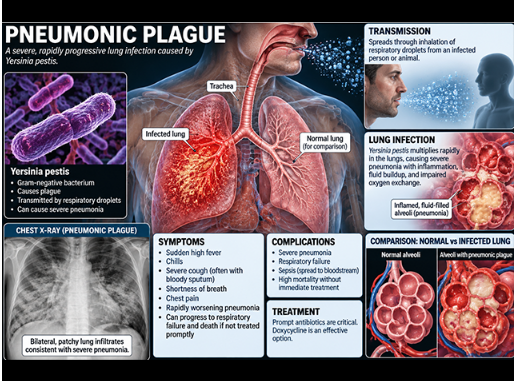
Plague is an infectious disease caused by Yersinia pestis. It occurs naturally in certain animal populations and can infect humans through several routes. Pneumonic plague affects the lungs and can spread between people through infectious respiratory droplets during close contact. Without prompt treatment, it can be fatal, but antibiotics can be effective when administered early.
The incident has drawn attention to the importance of laboratory containment procedures and timely disclosure of suspected exposures. Scientific publication Nature reported on October 8 that uncertainty surrounding the case and the limited publicly available information had complicated independent assessment of what happened.
As of October 9, the available reports do not establish that a plague outbreak has occurred or that the technician’s death was caused by a laboratory accident. The investigation remains centered on determining the cause of her illness and whether any exposure took place.