Reported by:

Cherry Meigh Timbol
News Content Editor
Published November 21, 2026
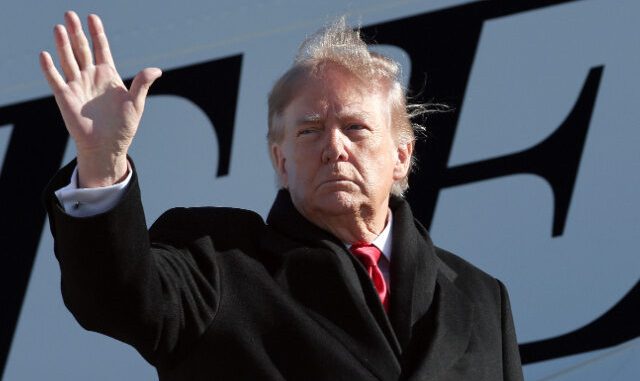
WASHINGTON — U.S. President Donald Trump said Iran is seeking an agreement with the United States to end the ongoing conflict but is unwilling to accept terms that Washington considers satisfactory. He reiterated his demand for what he described as a genuine agreement, accusing Tehran of misleading negotiators for decades.
Speaking during a White House press conference on Friday, November 20, Trump said Iran had expressed interest in reaching a deal but continued to reject conditions he considered necessary.
“They want to make a deal, but they don’t want to make a deal that’s acceptable to me,” Trump told reporters. He added that Washington wanted a “real deal, not a fake deal,” accusing the Iranian government of “bullshitting people for 51 years.”
Trump also renewed his commitment to preventing Iran from obtaining nuclear weapons, declaring that Tehran would never be allowed to acquire them. His comments came amid continuing diplomatic uncertainty and concerns that hostilities between the two countries could intensify again.
Iran Says Diplomacy Remains Possible
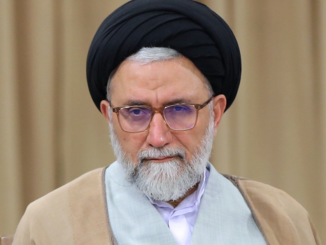
Iranian Foreign Minister Abbas Araqchi, meanwhile, indicated that Tehran remained open to diplomatic efforts aimed at ending the conflict.
In remarks published by Iranian newspapers, Araqchi said Iran continued exchanging messages with Washington through intermediaries and was seeking an agreement that would prevent another war.
He emphasized, however, that Iran wanted assurances that the United States was genuinely committed to negotiations before moving forward.
Araqchi also identified Iran’s retention of its highly enriched uranium as a key negotiating position. Nevertheless, he expressed confidence that a fair solution concerning the country’s nuclear materials could still be reached.
According to his remarks, discussions with mediators have included possible confidence-building measures that could help bridge differences between the two governments.
Nuclear Dispute Remains a Major Obstacle
The dispute over Iran’s nuclear program remains one of the most significant obstacles to an agreement.
Washington has consistently maintained that Iran must not develop nuclear weapons, while Tehran has defended its nuclear activities as part of its national interests.
The International Atomic Energy Agency previously estimated that Iran possessed 440.9 kilograms of uranium enriched to 60% before the June 2025 attacks on Iranian nuclear facilities. The amount that may have survived those strikes remains unclear.
Diplomatic efforts have also involved regional intermediaries. Qatari and Iranian officials recently held discussions aimed at narrowing differences between proposals presented by the parties.
Meanwhile, reports indicated that representatives connected to the Trump administration had also engaged with Qatari officials regarding possible mediation efforts.
Regional Tensions Complicate Negotiations
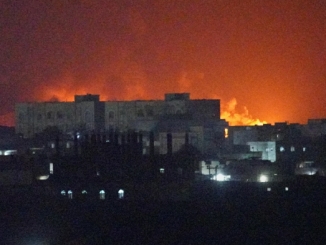
The diplomatic developments come as tensions continue across the Middle East, with attacks involving Iran, Israel and U.S. military interests in the Gulf raising concerns about a wider confrontation.
Iranian attacks have reportedly targeted locations in neighboring Gulf countries, while restrictions and security concerns affecting maritime traffic through the Strait of Hormuz have added pressure to an already unstable regional situation.
The waterway is a critical route for international oil shipments, making any prolonged disruption a potential concern for global energy markets.
For now, both Washington and Tehran have indicated some willingness to pursue diplomatic channels, but their positions remain significantly divided.
Trump’s demand for an agreement acceptable to the United States and Iran’s insistence on protecting its nuclear interests suggest that reaching a lasting settlement will remain difficult. Whether ongoing mediation efforts can produce a mutually acceptable framework remains uncertain.