Egyptian President Abdel Fattah al-Sisi meets Saudi Crown Prince Mohammed bin Salman in Cairo, Egypt, on September 15, 2026. Bandar Algaloud/Courtesy of the Saudi Royal Court/Handout via REUTERS/File Photo.
Reported by:

Cherry Meigh Timbol
News Content Editor
Published October 22, 2026
Egypt is considering a greater military role in supporting Saudi Arabia as fighting with Yemen’s Iran-aligned Houthi movement intensifies, while Cairo continues to call for a diplomatic solution to the conflict.
President Abdel Fattah al-Sisi has requested parliamentary authorization for Egypt’s armed forces to help defend Saudi Arabia if Riyadh formally requests assistance. The proposal comes amid Houthi attacks on Saudi airports and oil infrastructure, raising concerns about regional security and international shipping.
Parliament has postponed its vote until October 26 to allow further deliberations. Egypt’s constitution requires parliamentary approval for overseas military missions, and the precise scope, duration and cost of any deployment remain uncertain.
Defensive support rather than offensive operations
Egypt has indicated that any military assistance would focus on defending Saudi territory and protecting critical infrastructure rather than launching attacks inside Yemen. Potential forms of assistance could include air and missile defense, counter-drone operations, naval protection and intelligence-sharing.
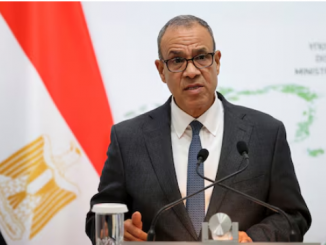
Egyptian Foreign Minister Badr Abdelatty said Cairo supports exploring opportunities for a political settlement, including the withdrawal of Houthi forces from strategically important areas near the Bab el-Mandeb Strait. The passage connects the Red Sea to the Gulf of Aden and is vital to international maritime trade and access to the Suez Canal.
Egyptian officials have also communicated Cairo’s position to Saudi Crown Prince Mohammed bin Salman, emphasizing the need to pursue diplomatic efforts alongside measures to protect the kingdom.
Egypt’s History in the Yemen Conflict
Egypt previously joined the Saudi-led coalition that intervened in Yemen in 2015 in support of the internationally recognized government. Its contribution was primarily naval, aimed at protecting shipping routes in the Red Sea, while its overall combat role remained limited.
Cairo has historically been cautious about becoming deeply involved in a prolonged ground war in Yemen. Egypt’s experience during the North Yemen civil war in the 1960s, when Egyptian forces suffered heavy losses, remains an important consideration in discussions about a renewed military commitment.
Regional and Economic Implications
Saudi Arabia is a major strategic and economic partner of Egypt. Security threats around the Red Sea and Bab el-Mandeb could affect shipping, energy markets and revenues from Egypt’s Suez Canal.
The possibility of Egyptian military assistance also comes amid wider regional tensions involving Iran and the United States and Israel. The Houthis have warned Egypt against joining military operations, arguing that intervention could threaten Egyptian security and stability.
What Happens Next?
Egypt’s parliament is scheduled to consider the military-support proposal on October 26. Until a decision is made, the nature and extent of any Egyptian deployment remain unclear.
At the same time, Cairo continues to advocate a political solution to the Yemen conflict while expressing support for Saudi Arabia’s security. Whether Egypt ultimately authorizes military assistance will determine the next stage of its involvement in the escalating crisis.