Published December 22, 2025
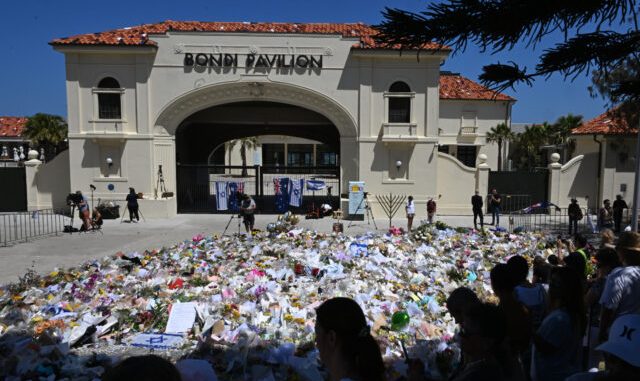
In the wake of a terrorist attack at Sydney’s Bondi Beach, which left 15 people dead and many more wounded during a Hanukkah celebration, the Australian state of New South Wales (NSW) has unveiled sweeping proposed laws targeting extremist symbols, slogans, and public demonstrations that authorities say incite hatred and violence.
A Mass Shooting Shakes NSW
On December 14, 2025, a father and son allegedly carried out a mass shooting and attempted bombing as part of an antisemitic terrorist attack at Bondi Beach, according to newly released police and court information. The attack was reportedly inspired by the Islamic State (IS) group, with homemade IS‑style flags found in the suspects’ vehicle, alongside firearms and bomb parts.
The incident has intensified public debate about extremism, antisemitism, and public safety in Australia, and has spurred government action at both state and federal levels.
New Laws to Restrict Extremist Symbols and Hate Speech
Responding to the attack, NSW Premier Chris Minns recalled state parliament to fast‑track legislation designed to crack down on hate speech and extremist displays. Key elements of the proposed reforms include:
Banning Extremist Flags and Symbols
-
The new laws would make it an offense to publicly display terrorist symbols like the Islamic State flag and other extremist emblems.
-
Penalties could include up to two years in prison or fines of up to AU$22,000 for individuals, and up to AU$110,000 for organisations found in breach, unless they can demonstrate a reasonable excuse (such as academic or public‑interest uses).
‘Globalise the Intifada’ Chant Targeted
-
NSW authorities have also moved to ban the vocal slogan “globalise the intifada” from public protest settings, labeling it hate speech that “encourages violence in our community.”
-
The term intifada — Arabic for “uprising” — has been used in global pro‑Palestinian demonstrations to express solidarity with resistance movements, but Jewish groups and government officials argue it fuels antisemitism and intimidation when chanted publicly.
Expanded Police Powers
-
Police would gain broader authority to demand the removal of face coverings during demonstrations if an offense is suspected, a change from existing rules that permit removal only after arrest or serious suspicion.
Government Message and Political Response
Premier Minns emphasized that “hate speech or incitement of hatred has no place in our society,” framing the reforms as essential steps to protect vulnerable communities and safeguard public order.
The legislative package comes amid broader federal efforts, with Prime Minister Anthony Albanese pledging measures to counter radicalization, broaden hate speech definitions for violent promotion, and toughen punishments for such offenses. Albanese also announced plans to tighten Australia’s strict gun laws.
Supporters of the reforms, including the NSW Jewish Board of Deputies, hailed the measures as crucial for confronting intimidation and violence.
Criticism and Debate
Not all voices are aligned with the new proposals. Critics argue that:
-
Banning specific chants like “globalise the intifada” may blur the line between violent incitement and political expression, especially when words can carry different meanings in different contexts.
-
Expanded police powers — particularly regarding face coverings during protests — raise concerns about civil liberties and the potential for overreach.
-
Some civil liberties advocates and protesters have mobilized in NSW to oppose what they see as an overbroad suppression of speech and protest rights.
These debates reflect long‑standing tensions between public safety priorities and free‑speech protections in democratic societies.
A National Moment of Reflection
Alongside its legislative agenda, the Australian government declared a National Day of Reflection on the final day of Hanukkah to honor victims of the Bondi attack. Flags will fly at half‑mast on official buildings, and leaders, including Albanese, will observe a moment of silence at the time gunfire was first reported.
As NSW lawmakers prepare to debate the legislation, the measures spotlight how democracies grapple with extremism, hate speech, and the boundaries of protest in the wake of traumatic violence.
 Implications
of NSW’s Extremist Symbol and Chant Ban
1. Legal Implications
-
Free Speech vs. Hate Speech:
The ban on slogans like “globalise the intifada” raises questions about how Australian courts will interpret the boundary between free expression and incitement of violence. Individuals or organizations could challenge the law, arguing it infringes on constitutionally protected political speech. -
Precedent Setting:
NSW could become a legal benchmark for other Australian states or international jurisdictions considering similar bans on extremist symbols, chants, or hate speech. The law may influence future legislative drafting and judicial interpretations regarding public demonstrations and protest rights. -
Enforcement Challenges:
Police will need clear guidelines to distinguish between legitimate protest and illegal hate speech. Ambiguities could lead to inconsistent application, lawsuits, or accusations of bias in enforcement.
2. Social Implications
-
Community Protection vs. Alienation:
The law aims to protect Jewish and other vulnerable communities, creating a safer environment for public gatherings. However, it could also alienate Muslim or pro-Palestinian communities, who may perceive the measures as targeting political expression rather than violence. -
Potential Backlash or Radicalization:
Restrictive measures, if perceived as overreaching, can fuel underground radicalization, particularly among young extremists who feel their voices are censored. -
Public Awareness and Education:
The debate surrounding the ban could raise awareness about extremist ideologies, fostering dialogue about community cohesion, tolerance, and interfaith understanding.
3. Political Implications
-
Government Credibility:
Premier Chris Minns and the NSW government may gain political capital by demonstrating a strong stance against terrorism and hate speech. -
Civil Liberties Debate:
Critics could frame the measures as overreach, potentially galvanizing civil liberties advocates, opposition parties, and activists who emphasize the importance of freedom of expression. -
Policy Export:
Australia’s legislative approach could serve as a model for other democracies grappling with similar extremist threats, influencing global anti-terrorism and hate speech policies.
4. Security Implications
-
Deterrence of Extremist Acts:
By criminalizing public display of terrorist symbols and slogans, authorities hope to reduce public glorification of extremist ideologies and lower the risk of attacks inspired by such propaganda. -
Expanded Police Powers:
Authorities gaining the ability to demand the removal of face coverings at protests may improve law enforcement effectiveness, but could also raise public distrust if perceived as intrusive. -
Counterterrorism Coordination:
Clearer laws allow better coordination with federal agencies and international partners in preventing transnational extremist networks from gaining influence in Australia.
5. International Implications
-
Global Perception:
Australia positions itself as zero-tolerance on terrorism, aligning with international anti-extremism standards. -
Diplomatic Sensitivities:
Banning slogans like “intifada” could generate criticism from Palestinian advocacy groups or certain foreign governments, potentially creating minor diplomatic tensions. -
Influence on Global Policy:
Australia’s approach may inform policy decisions in other democracies, especially regarding balancing counterterrorism measures with civil liberties.
6. Long-Term Implications
-
Legal and Social Precedents:
NSW’s laws may shape future definitions of extremism and hate speech, affecting educational institutions, media, and political movements. -
Community Trust:
Success depends on transparent enforcement and community outreach to ensure laws protect society without fostering resentment or fear. -
Cultural Impact:
Public discourse may shift as communities adapt to restrictions on symbols and slogans, affecting protest culture, interfaith relations, and political expression in Australia for years to come.
 Overall Takeaway:
The NSW proposals reflect a delicate balance between #Security and #DemocraticFreedoms. While they aim to protect vulnerable communities and deter extremism, their success depends on fair enforcement, public reception, and judicial interpretation. NSW is navigating the challenge of confronting #ModernTerrorism without undermining #CivilRights.
SOURCES: BREITBART – Australian State Set to Ban ISIS Flags, Symbols, and ‘Intifada’ Chants After Bondi Terror Attack
FOX NEWS – Australian state weighs ban on ‘globalize the intifada’ chants, masked protesters in wake of Hanukkah attack