AP Photo/Jen Golbeck, File
Published February 21, 2025
Johnson City, TN — A Democratic candidate for Tennessee’s 1st Congressional District has ignited controversy after publicly criticizing high school students who chose not to participate in an anti‑ICE protest during the school day. The remarks have drawn attention from parents, local officials, and political commentators, highlighting tensions around student activism, civic engagement, and political involvement in schools.
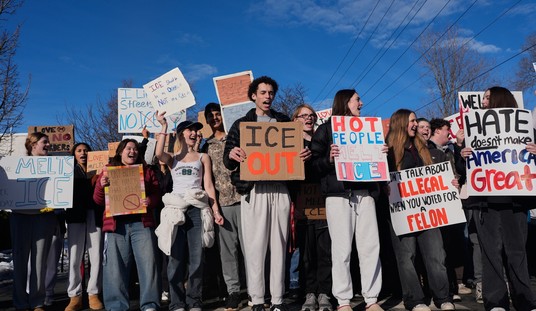
The protest occurred on Friday, February 20, 2026, at Science Hill High School, where hundreds of students staged a walkout to express opposition to U.S. Immigration and Customs Enforcement (ICE) policies and actions. The demonstration, part of a broader wave of youth-led activism nationwide, prompted debate within the community about the role of political expression in public schools.
Candidate’s Response Sparks Backlash
Kristi Burke, a Democratic candidate in the 1st District, took to social media during and after the walkout to express support for the participating students. In one post, she appeared to rebuke students who stayed in class, suggesting they were failing to support their peers in standing up for what she described as fundamental human rights.
“Got this shirt from Kristi Burke … I hope you will show some support to your classmates, who risked a lot to stand up for what is right,” the candidate posted, framing the walkout as an act of courage against an oppressive federal agency.
Burke further commented that “fascism will disrupt your life significantly more than a protest will,” emphasizing the urgency she associates with opposing federal immigration enforcement policies.
Her comments quickly drew criticism from parents and local residents, who argued that she was pressuring minors to take political stances and conflating civic engagement with school compliance. Several social media users described the remarks as inappropriate for a congressional candidate, arguing that they risk alienating voters who prioritize educational responsibilities over political protest.
Student and Community Reactions
Students who stayed in class reportedly felt singled out by Burke’s messaging. One anonymous senior told local media:
“I support my classmates’ right to protest, but I also have responsibilities in my classes. I didn’t appreciate being shamed online for making that choice.”
Parents echoed these concerns, noting that schools are meant to be safe spaces for learning, not arenas for political pressure. Some expressed frustration that a candidate seeking federal office would weigh in publicly on individual student choices, raising questions about the appropriateness of political engagement with minors.
School administrators have maintained that students have the right to free expression, including protests and walkouts, but emphasized that such activities must be balanced with educational obligations and safety considerations.
Broader Context of Anti‑ICE Protests
The Science Hill High walkout is part of a growing trend of student activism against federal immigration policies. Across the country, students in multiple states have staged walkouts, rallies, and demonstrations, often during school hours, to protest deportation practices and advocate for immigrant protections. Some districts have faced challenges in managing these demonstrations, including maintaining academic schedules and addressing parental concerns.
While many students participating in these protests have been praised for exercising their constitutional rights, school officials caution that disruptions to classroom instruction can have academic consequences, particularly for students preparing for standardized tests or critical coursework.
🚨#BREAKING: Over 150 students at Science Hill High School in Johnson City TN just left their 4th period classes classes, during TESTS, to protest ICE on the side of the highway.
They were cheered on by a DEMOCRAT running for Congress, Kristi Burke who began BERATING STUDENTS… pic.twitter.com/OYMWHtXAhW
— Matt Van Swol (@mattvanswol) February 20, 2026
 Implications
-
Erosion of Student Autonomy
By publicly shaming students who chose to stay in class, the candidate risks sending the message that children must conform to political expectations to earn approval. This can undermine students’ ability to make independent choices about their education and personal priorities. -
Politicization of Schools
The incident highlights a growing concern over the use of schools as platforms for political messaging. Encouraging or pressuring students to participate in demonstrations during instructional time blurs the line between civic engagement and political coercion. -
Potential Voter Backlash
In a district where many prioritize personal responsibility, educational focus, and local control, the candidate’s actions could alienate voters who see public shaming of students as overreach. This could become a talking point in the campaign, framing the candidate as someone willing to pressure minors for political purposes. -
Social Media Amplification Risks
Public posts targeting students can quickly spread online, increasing scrutiny and backlash. Even supportive messages can be perceived as coercive, especially when minors are involved, making social media a double-edged sword for political campaigns. -
Educational Consequences
Students pressured to join protests may compromise their academic responsibilities, while those opting out may feel intimidated or guilty. This could create unnecessary tension in schools, undermining the learning environment. -
Broader Cultural Debate
The incident contributes to a wider conversation about the role of public figures in influencing youth, and the balance between encouraging civic engagement and respecting boundaries, personal choice, and educational obligations.
 Overall Takeaway:
The controversy surrounding the congressional candidate’s comments at Science Hill High School underscores a delicate balance in modern education: encouraging civic engagement while respecting students’ autonomy and academic priorities. While some see public support for activism as commendable, critics argue that pressuring students—especially minors—into political action crosses an important line.
This incident serves as a reminder that schools are primarily spaces for learning, where participation in political demonstrations should remain voluntary and guided by personal choice. It also highlights the power—and risk—of social media in amplifying political messages to audiences that include vulnerable populations, such as students.
As the campaign progresses, how voters respond to this episode may signal broader attitudes about individual responsibility, the boundaries between politics and education, and the appropriate role of public figures in influencing youth. For now, the debate continues, reflecting ongoing national tensions over activism, student rights, and the intersection of politics and schooling.
SOURCES: REDSTATE – Anti-ICE Activist Running for Congress in TN Berates HS Students Who Refuse to Join ‘ICE OUT’ Protest
NEXT NEWS NETWORK – EXPOSED: Anti-ICE Activist Running for Congress BERATES High School Students Who Refuse Illegal Immigration Protest