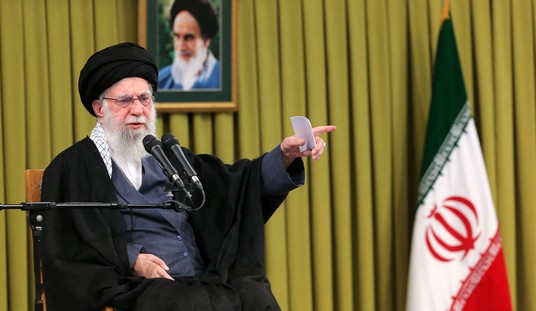
Office of the Iranian Supreme Leader via AP
Published February 21, 2025
President Donald J. Trump has sharply rejected Iran’s most recent offer for a renewed nuclear deal, signaling a hardening stance toward Tehran and triggering fresh debate over whether the United States is now pursuing regime change as a core foreign policy objective.
Iran’s negotiating position — delivered through indirect talks in Geneva earlier this week — was framed by Tehran as a serious attempt at diplomacy. Iranian officials called the latest proposal a step toward peace and insisted that diplomatic negotiation remains the only viable path forward.
But the Trump administration has dismissed the offer as insufficient, setting a publicly stated deadline of 10 to 15 days for a comprehensive agreement that would completely halt Iran’s nuclear weapons potential — a condition Tehran has said it cannot fully accept under its current terms.
From Nuclear Pressure to Talk of Regime Change
While Washington continues to frame its demands in terms of nuclear nonproliferation, several developments over the past month have tilted the narrative toward something broader:
-
Trump himself has openly mused that a change of regime in Tehran would be “the best thing that could happen,” remarks that mark one of his most direct acknowledgments that transforming Iran’s government is not off the table.
-
U.S. military planners have reportedly developed options that go beyond limited strikes on nuclear facilities to include targeting individual Iranian leaders and destabilizing key elements of the regime should Trump order action.
-
Iranian exile and opposition figures — including Reza Pahlavi, son of Iran’s deposed monarchy — have actively called on the U.S. to accelerate the downfall of the Islamic Republic, describing that outcome as beneficial for Iran’s future.
Taken together, these developments have led supporters of the administration to argue that a return to diplomatic talks alone will not secure a deal that precludes Tehran from someday developing nuclear capabilities — and that only pressure up to and including regime destabilization will do. Critics warn such a strategy portends a dangerous slide toward war.
What the U.S. Has Demanded — and What Iran Has Refused
Trump’s government has repeatedly made clear that any new agreement must:
-
Fully dismantle Iran’s existing pathway to nuclear weapons;
-
Curtail its missile program;
-
End support for regional proxy groups such as Hezbollah and the Houthis.
Iran, for its part, contends it is pursuing indigenous nuclear power for peaceful purposes, and that it has no intention of developing weapons. Tehran insists that negotiating peacefully — rather than via threats — is the only option, warning that force would trigger severe retaliation across the Middle East.
The Islamic Republic also pointedly criticized the U.S. ultimatum, dismissing the rigid deadline and contending that complex diplomatic agreements cannot be rushed or dictated.
Military Build‑Up and Strategic Risks
Amid diplomatic friction, the U.S. has increased its military footprint in the Persian Gulf region. This includes multiple aircraft carrier strike groups, advanced fighter deployments, and missile defense systems — the most substantial since the years leading up to the 2003 Iraq invasion.
While the stated purpose of this build‑up is deterrence and leverage at the negotiating table, military leaders have developed contingency plans that would allow strikes on Iranian infrastructure or leadership if diplomacy fails.
Iran has responded with its own signals of preparedness, including military drills and warnings of retaliation against U.S. bases across the Middle East should any attack occur.
Domestic and International Reactions
Within the United States, lawmakers are sharply divided. Some members of Congress have pushed back against executive action without legislative approval, citing constitutional constraints on war powers.
International partners are also watching closely. European officials have expressed concern over escalating rhetoric and the potential for a broader regional conflict — a scenario they argue could further destabilize global markets, particularly energy supplies.
Meanwhile, massive anti‑government protests have rocked Iran throughout 2025 and into 2026, with demands ranging from basic economic reforms to outright rejection of the ruling clerical establishment. These movements have added another layer of complexity, as some Iranians see foreign pressure as one avenue — however risky — toward political change.
 Implications of a Hardline Approach on Tehran
The Trump administration’s firm stance on Iran carries multiple strategic and geopolitical implications, signaling a shift in U.S. policy that could reshape regional and global dynamics.
-
National Security Priority
By rejecting Tehran’s latest nuclear proposal, the U.S. underscores that preventing Iran from acquiring nuclear weapons remains a top priority. A strong posture emphasizes deterrence and signals that the United States will not accept a deal that leaves pathways for nuclear proliferation. This approach is intended to protect not only American citizens but also allies worldwide who might be threatened by a nuclear-armed Iran. -
Projection of Strength on the Global Stage
The possibility of regime change, whether explicitly pursued or used as leverage in negotiations, conveys decisiveness and strategic resolve. Such a posture communicates to other global actors that the United States is willing to take bold actions to defend its interests, making it clear that challenges to U.S. authority or security will not go unanswered. This demonstration of strength can influence diplomatic interactions beyond the Middle East, shaping how other nations engage with Washington. -
Support for Regional Stability and Allies
Iran’s influence in the Middle East—through proxy groups and regional conflicts—has long been a source of tension for neighboring countries. A tougher U.S. stance reassures these partners that their security concerns are being addressed. Efforts to pressure Tehran may reduce the reach of Iranian-backed militias and support allies such as Israel and Gulf nations, potentially creating a more stable balance of power in the region. -
Economic and Energy Implications
Military posturing and sanctions carry inherent economic risks, particularly for global energy markets. While targeting Iran aims to limit its strategic capabilities, policymakers must consider potential disruptions to oil supplies, trade, and investment flows. A carefully calibrated approach seeks to maximize pressure on Iran while minimizing negative consequences for the U.S. economy and global energy stability. -
Reinforcing Decisive Leadership and Accountability
Taking a firm line in negotiations signals to both domestic and international audiences that the United States holds hostile regimes accountable. Publicly rejecting insufficient agreements reinforces a narrative of strong, decisive leadership that prioritizes security and international norms. This posture also communicates that diplomacy will be supported by credible consequences if Tehran fails to comply with U.S. demands, balancing pressure with the potential for negotiated outcomes. -
Influence on Internal and External Dynamics in Iran
Heightened U.S. pressure can exacerbate tensions within Iran itself, particularly as protests and dissent continue against the ruling regime. By leveraging diplomatic, economic, and military tools, the administration may influence internal political dynamics in Tehran, potentially encouraging reform or moderation. While this carries risks of escalation, it also creates opportunities to align Iranian domestic pressures with broader goals of regional security.
 Overall Takeaway:
The unfolding standoff with Tehran underscores a pivotal moment in U.S. foreign policy. Rejecting Iran’s latest nuclear proposal, while signaling the potential for regime change, marks a shift toward a more assertive posture that prioritizes national security, regional stability, and the enforcement of international norms.
The coming weeks will be critical. Diplomacy remains on the table, but the combination of military readiness, economic leverage, and political pressure reflects a strategy that leaves no ambiguity: the United States is determined to prevent Iran from advancing nuclear capabilities while holding the regime accountable for its actions.
Whether this approach will yield a negotiated solution or escalate tensions further remains uncertain. What is clear, however, is that the administration’s actions send a message—to Tehran, to regional allies, and to the world—that American interests will be defended decisively, and that the era of indecision in confronting threats will not be repeated.
SOURCES: REDSTATE – U.S. Rejects Tehran’s Latest Deal and All Signs Suggest That Regime Change Is on Trump’s Agenda
FINANCIAL TIMES – Donald Trump gives Iran 15 days to strike a deal or ‘bad things will happen’
THE TIMES OF ISRAEL – Trump considering limited strikes to force Iran to make nuclear deal – report
EL PAIS – Trump confirms US is considering a targeted attack against Iran
REUTERS – US and Iran slide towards conflict as military buildup eclipses talks