Published March 14, 2025
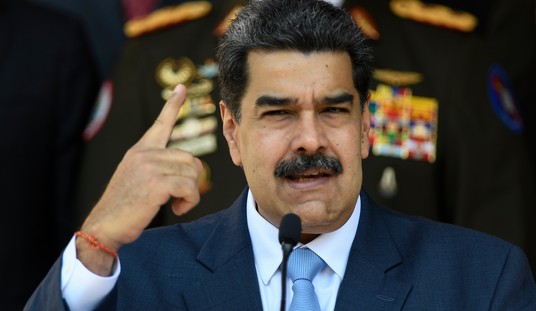
Former Venezuelan president Nicolás Maduro, now detained in a U.S. federal jail in New York, has reportedly been appealing to Venezuelan officials and supporters for assistance after losing his leadership position, according to a recent report. The account describes him decrying his treatment behind bars and calling on Venezuelans to exert pressure for his release.
Maduro’s detention stems from a surprise U.S. military operation in January that resulted in his capture in Caracas and subsequent transfer to New York, where he faces criminal charges including narcotics trafficking and related offenses. The extraordinary intervention upended Venezuela’s political status quo and prompted widespread reactions across the region.
Jail Complaints and Appeals
According to reports from multiple outlets, Maduro has complained about conditions in the Metropolitan Detention Center in Brooklyn, describing his confinement as harsh and claiming mistreatment by U.S. authorities. From his cell, he has urged Venezuelans and political allies to push for support and intervention.
These public complaints mark a stark contrast to Maduro’s years of wielding power from the presidential palace, where his government maintained tight control over Venezuela’s political and economic systems.
Wider Political Implications
Maduro’s plea for help underscores the ongoing uncertainty about Venezuela’s future governance and the role external actors will play. Since his capture, Vice President Delcy Rodríguez assumed leadership under the country’s constitutional framework, but political tensions remain high. The opposition has also pressed for reforms and elections to chart a path forward.
Human rights groups and international observers continue to monitor conditions in Venezuela as reforms are debated and implemented, while Maduro’s incarceration adds another layer of political complexity to an already fragile situation.
 Public / Political Reactions:
1. Domestic Reactions in Venezuela
Pro-Maduro / Chavismo Supporters
-
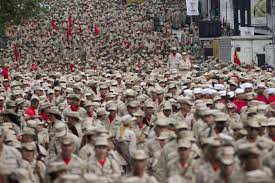
Maduro’s loyalists condemned the U.S. intervention as an illegal act of aggression and a violation of Venezuela’s sovereignty.
-
Demonstrations and rallies were organized in Caracas and other major cities, calling for his immediate release.
-
Some government officials and Chavista leaders framed Maduro’s detention as part of a broader U.S.-backed campaign to undermine Latin American independence.
Opposition and Critics
-
Venezuelan opposition figures welcomed the removal of Maduro, describing it as overdue accountability for years of corruption, economic mismanagement, and human rights violations.
-
Many exiled Venezuelans expressed relief, citing the humanitarian crisis and political repression under his administration.
2. Regional Reactions in Latin America
-
Supportive Governments: Countries historically critical of Maduro, including Colombia and Brazil, cautiously praised the outcome, framing it as an opportunity for political transition and stabilization in Venezuela.
-
Critics of Intervention: Nations like Mexico and Bolivia warned against the potential destabilizing effects of foreign intervention and called for a return to Venezuelan-led governance and dialogue.
3. International Reactions
-
United States: U.S. officials emphasized the legality of Maduro’s detention, citing criminal charges including narcotics trafficking. Bipartisan lawmakers debated the broader implications for U.S. foreign policy and regional stability.
-
Global Powers: The EU and UN voiced concerns over human rights and the treatment of Maduro in custody, while also calling for peaceful resolutions to Venezuela’s political crisis.
-
Human Rights Organizations: Groups like Amnesty International and Human Rights Watch emphasized the need for due process and transparent legal proceedings.
4. Public Sentiment
-
Social media and news commentary reflect a deeply polarized response, with some viewing Maduro as a symbol of authoritarianism and corruption, while others portray him as a victim of foreign aggression.
-
The detention has also intensified discussions over U.S. involvement in Latin America, sovereignty, and the ethical implications of extraterritorial actions against sitting or former heads of state.
 Resulting Effects :
The detention of former Venezuelan president Nicolás Maduro in a U.S. federal facility has triggered a series of political, social, and strategic effects, both domestically in Venezuela and internationally.
1. Disruption of Maduro’s Political Influence
-
Maduro’s removal from active power and detention has created a power vacuum in Venezuela, reducing his ability to directly coordinate government decisions and manage loyalist networks.
-
His appeals from jail signal diminished authority, as he must rely on distant intermediaries to maintain influence over supporters and political allies.
2. Strengthening Interim Governance
-
The Venezuelan leadership transition, with Vice President Delcy Rodríguez assuming executive functions, has been accelerated by Maduro’s absence, allowing new policy measures and administrative oversight to proceed more efficiently.
-
The move also strengthens institutions attempting to stabilize the country amid prior economic collapse and political unrest.
3. Intensification of Domestic Polarization
-
Pro-Maduro factions have organized demonstrations, generating potential for localized unrest and heightened tension between loyalists and opposition supporters.
-
Opposition groups are emboldened, using the detention as leverage to push for reforms, anti-corruption measures, and electoral transparency.
4. Regional and International Implications
-
U.S. intervention has reaffirmed American willingness to take decisive action against leaders accused of corruption and narcotics trafficking, signaling broader deterrence to other regimes in Latin America with similar practices.
-
Neighboring governments and global powers are reassessing their diplomatic positions, balancing support for Venezuelan sovereignty with the need to address human rights and regional stability concerns.
5. Strategic Signaling
-
Maduro’s plea for help highlights the limits of influence a former authoritarian can exert once removed from office, serving as a warning to other leaders about the consequences of unchecked power and illicit international activity.
-
The case underscores the effectiveness of coordinated intelligence, legal, and diplomatic measures in curbing illicit networks tied to state actors.
 Future Outlook
The detention of Nicolás Maduro is likely to have far-reaching implications for Venezuela’s political landscape and regional stability over the coming months. Several key developments can be anticipated:
1. Consolidation of Interim Leadership
With Maduro removed from direct control, Vice President Delcy Rodríguez and other interim officials have the opportunity to strengthen governance, implement reforms, and stabilize economic and social systems.
The effectiveness of this transition will depend on their ability to manage internal divisions, address public grievances, and maintain institutional authority without provoking backlash from Maduro loyalists.
2. Domestic Political Tensions
-
Pro-Maduro factions may continue organizing demonstrations and political campaigns aimed at pressuring the interim government and maintaining morale among supporters.
-
Opposition forces are expected to leverage the power vacuum to advocate for transparency, anti-corruption initiatives, and potential elections, which could redefine Venezuela’s political trajectory.
3. Regional and International Dynamics
-
Neighboring Latin American countries and global powers will closely monitor Venezuela, balancing calls for sovereignty and non-intervention with the opportunity to influence reforms and economic recovery.
-
The U.S. and other actors may continue exerting diplomatic pressure to ensure Maduro faces accountability, while also supporting efforts to prevent regional destabilization.
4. Humanitarian and Economic Outlook
-
Stabilizing the economy, addressing shortages, and reestablishing access to basic services will remain critical priorities for the interim government.
-
International aid and investment may increase if political stability appears achievable, but lingering uncertainty around Maduro loyalist activity could slow recovery efforts.
5. Strategic Implications
-
Maduro’s detention demonstrates the consequences of mismanagement and illicit activity at the highest levels, serving as a cautionary example for other leaders in the region.
-
It also reinforces the importance of intelligence, law enforcement coordination, and diplomatic strategy in addressing complex transnational political crises.
 Bottom Line:
The detention of Nicolás Maduro marks a significant turning point in Venezuela’s political landscape. While his removal has curtailed his ability to exert direct influence, it has also intensified domestic divisions and sparked international attention.
The transition of power to Vice President Delcy Rodríguez and other interim leaders presents an opportunity to stabilize governance, implement reforms, and address long-standing economic and social challenges. However, lingering support for Maduro among loyalist factions and the risk of political unrest underscore the fragile nature of this period.
Strategically, the episode highlights the importance of coordinated international and domestic efforts in addressing corruption, illicit activity, and authoritarian consolidation. It also underscores the broader lesson that leadership carries responsibilities that extend beyond personal power, emphasizing accountability, governance, and the long-term stability of the state.
In sum, Venezuela’s path forward will depend on the interim government’s ability to consolidate authority, restore public confidence, and navigate both domestic pressures and international scrutiny, while minimizing the risk of renewed instability.