A damaged bridge lies in a riverbed, following US airstrikes in Iran. Photograph: Contributor/072019/Getty Images
Published July 18, 2026
WASHINGTON / TEHRAN — The United States carried out a seventh consecutive night of military strikes against targets inside Iran, continuing an expanding campaign that U.S. officials say is aimed at weakening Tehran’s military capabilities and protecting American forces and allies in the region.
 Military equipment targeted at an unknown location, during what CENTCOM says are strikes on Iran, in this screen grab taken from a handout video released on July 15, 2026 [Handout/US Central Command via Reuters]
According to U.S. military officials, the latest wave of strikes targeted military infrastructure, logistics hubs, and other sites believed to support Iran’s military operations. The sustained campaign marks one of the longest periods of direct U.S. military action against Iran in recent years.
Iran has strongly condemned the attacks, accusing Washington of expanding its target list beyond military facilities and striking infrastructure in southern parts of the country. Iranian officials warned that continued attacks would further escalate the conflict and increase instability across the Middle East.
The latest strikes come as Iran continues retaliatory operations against U.S.-aligned targets across the Gulf. Regional governments have remained on heightened alert amid concerns that the fighting could spread beyond Iran’s borders, drawing additional countries into the conflict.
 Smoke rises from an explosion at an unknown location, during what U.S. Central Command (CENTCOM) says are strikes on Iran, in this screen grab taken from a handout video released July 17, 2026. U.S. Central Command/Handout via REUTERS Purchase Licensing Rights
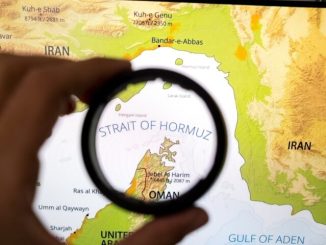
The conflict has also intensified around the Strait of Hormuz, one of the world’s most strategically important shipping routes for crude oil and liquefied natural gas. Military activity in and around the waterway has raised concerns over maritime security and the potential impact on global energy markets.
Despite growing international calls for de-escalation, neither Washington nor Tehran has indicated a willingness to halt military operations. Diplomatic efforts remain limited as both sides continue exchanging strikes and warnings.
The seventh straight night of U.S. operations underscores the rapid deterioration of relations between the two countries and highlights the growing risk that the conflict could evolve into a broader regional confrontation if military action continues.
⚠️ Implications:
The seventh consecutive night of U.S. strikes on Iran signals that the conflict has moved beyond isolated military exchanges and into a sustained campaign with potentially far-reaching consequences. As both Washington and Tehran continue to escalate their actions, concerns are growing over regional stability, global energy security, and the prospects for diplomacy.
🇺🇸 1. The U.S. Appears Committed to a Sustained Military Campaign
- Seven straight nights of strikes suggest Washington is pursuing a prolonged military strategy rather than a one-time operation.
- U.S. officials say the strikes are intended to weaken Iran’s military capabilities and protect American personnel and allies.
- The continued operations indicate the U.S. is prepared to maintain military pressure if hostilities persist.
🔍 Implication: The conflict could become a longer-term military campaign instead of a short-lived exchange.
🇮🇷 2. Iran Is Likely to Continue Retaliating
- Iranian leaders have vowed to respond to continued U.S. attacks.
- Tehran has already launched retaliatory missile and drone strikes against U.S.-aligned targets in the region.
- Additional military responses remain possible if U.S. operations continue.
⚠️ Implication: The cycle of retaliation increases the risk of further escalation between the two countries.
🌍 3. Regional Stability Faces Growing Pressure
- Neighboring countries are on heightened alert as the conflict threatens to spill across borders.
- U.S. military bases, allied nations, and commercial shipping routes remain potential targets.
- Regional governments are strengthening security measures amid fears of a wider conflict.
🌐 Implication: The confrontation is becoming a broader Middle East security challenge rather than a bilateral dispute.
⚓ 4. Global Energy Markets Remain Vulnerable
- Fighting near the Strait of Hormuz continues to raise concerns over maritime security.
- The waterway is one of the world’s busiest routes for oil and liquefied natural gas exports.
- Any disruption to shipping could affect global energy supplies and prices.
🛢️ Implication: Continued instability could have economic consequences well beyond the Middle East.
🤝 5. Diplomatic Efforts Are Becoming More Difficult
- Ongoing military operations have reduced opportunities for meaningful negotiations.
- Public statements from both governments indicate hardened positions.
- International calls for restraint have so far failed to halt the fighting.
📢 Implication: Restoring diplomatic dialogue may become increasingly difficult as the conflict intensifies.
🛡️ 6. The Risk of a Wider Conflict Continues to Grow
- Sustained military operations increase the possibility of miscalculation or unintended escalation.
- Additional regional actors could become involved if attacks expand beyond current targets.
- International partners are closely monitoring developments to prevent a broader war.
🧭 Implication: Without a shift toward de-escalation, the conflict could evolve into a larger regional crisis with significant geopolitical and economic consequences.
💬 Overall Takeaway:
The seventh consecutive night of U.S. strikes on Iran marks a significant escalation in one of the most serious confrontations between the two countries in recent years. As military operations continue and Iran vows to respond, the conflict is becoming increasingly difficult to contain. With diplomatic efforts stalled and tensions rising across the Middle East, the situation remains highly volatile. The actions taken by both Washington and Tehran in the coming days could determine whether the crisis remains limited or develops into a broader regional conflict with global security and economic implications.
SOURCES: REUTERS – US military says it completed latest strikes on Iran, marking 7th consecutive night of attacks
AL JAZEERA – US launches seventh straight night of strikes on Iran
Think before you click. Stay informed through verified reporting as this developing story continues to unfold.