Widespread reports of some ‘ghost’ Iranian tankers making it through US blockade…
Published April 21, 2026
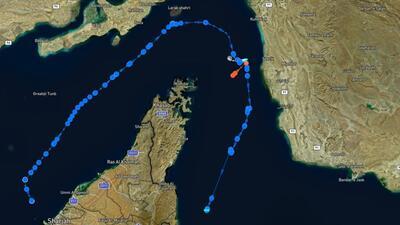
Iranian forces have seized two commercial vessels in the Strait of Hormuz, a critical global shipping route, in a move that is raising fresh concerns about stability in one of the world’s most important energy corridors.
According to multiple reports, Iran’s Islamic Revolutionary Guard Corps (IRGC) targeted three ships transiting the narrow waterway, ultimately seizing two and transferring them to Iranian territory. Iranian state-linked sources said the vessels were detained for allegedly violating maritime rules and “disrupting order and safety” in the strait.
The incident comes at a fragile moment, as signals from Tehran suggested possible openness to ending hostilities, even while tensions with Washington remain high.
A Critical Global Chokepoint Under Pressure
The Strait of Hormuz is one of the most strategically important waterways in the world, handling roughly 20% of global oil shipments. Any disruption there can quickly ripple through global markets.
Recent attacks and seizures have already shaken confidence in the route. Shipping traffic has dropped sharply since the conflict escalated earlier this year, with some vessels turning back or delaying transit due to safety concerns.
The latest seizures highlight how quickly conditions in the region can deteriorate, even amid ongoing ceasefire discussions.
Mixed Signals From Tehran
While the seizure of vessels signals a hardline posture, reports indicate Iran has also sent mixed messages about negotiations.
Analysts note that Tehran appears to be balancing two strategies:
- applying pressure through control of the strait
- while signaling it may still be open to diplomatic resolution
This dual approach reflects a broader pattern in the conflict, where military actions and negotiation signals often occur simultaneously.
U.S. Blockade and Rising Tensions
The maritime escalation comes against the backdrop of a U.S. naval blockade targeting Iranian shipping.
Washington has framed the blockade as a pressure tactic aimed at forcing concessions, while Iran has condemned it as a violation of ceasefire conditions and an act of economic warfare.
The result has been a standoff at sea:
- U.S. forces restricting Iranian-linked vessels
- Iran asserting control over traffic through the strait
- commercial shipping caught in the middle
Global Economic Impact
Markets reacted quickly to the latest developments, with oil prices rising amid fears of supply disruption. The Strait’s importance to global energy flows means even limited incidents can trigger volatility.
Beyond oil, the disruption also affects:
- global shipping routes
- supply chains
- insurance costs for maritime transit
A Broader Pattern of Escalation
The seizure of vessels is part of a wider pattern of maritime confrontations in the region. Both sides have taken increasingly aggressive steps in recent weeks, including:
- ship seizures
- warnings to commercial vessels
- military positioning around the strait
- Despite ongoing ceasefire efforts, these incidents suggest that tensions remain far from resolved.
🔍 Critical View: Security Risks at a Global Chokepoint
The latest ship seizures are being seen by some analysts as more than just a regional dispute—they’re a reminder of how vulnerable global trade can be when a single strategic route is threatened.
At the center of the concern is the Strait of Hormuz, a narrow passage where a large portion of the world’s oil supply moves every day. When tensions rise here, the effects are felt far beyond the Middle East.
1. A choke point that affects everyday life
In simple terms, when shipping is disrupted in this area:
- oil prices can go up
- fuel costs increase
- prices of goods can rise globally
What happens thousands of miles away can quickly impact everyday expenses.
2. Testing limits without full-scale war
Some observers argue that these types of actions—like seizing ships—are a way to:
- push boundaries
- send a message
- apply pressure without triggering full military conflict
This creates a situation where tensions stay high, but without clear resolution.
3. Dependence on global supply routes
The situation highlights how dependent many countries are on:
- foreign oil
- international shipping lanes
- stable trade routes
When one route becomes unstable, there are few immediate alternatives.
4. Deterrence vs. escalation
There is an ongoing debate about how to respond:
- Strong responses may prevent future incidents
- But they also risk escalating the situation further
Finding the balance between showing strength and avoiding conflict is a key challenge.
5. Bigger picture: control and leverage
At a basic level, control of a major shipping route means leverage.
Whoever can influence that route can:
- impact global markets
- affect energy supply
- gain bargaining power in negotiations
👥 On the Ground: What This Means for Shipping, Crews, and Everyday Costs
Beyond the headlines, the situation is playing out in real time for ship crews, shipping companies, and energy markets moving through the Strait of Hormuz.
1. Ships slowing down or rerouting
Captains and operators are making cautious decisions:
- delaying entry into the strait
- rerouting when possible
- waiting for naval escorts or clearer guidance
Even short delays can disrupt tight shipping schedules.
2. Crews facing higher risk
For the people on board:
- uncertainty is high
- communication can be limited during incidents
- safety concerns increase when tensions rise
In simple terms, ordinary seafarers are the ones closest to the risk.
3. Insurance and costs climbing
When an area is seen as dangerous:
- insurance premiums go up
- security measures increase
- companies pass added costs down the line
That can eventually show up as higher prices for fuel and goods.
4. Energy markets reacting quickly
Because so much oil moves through this route:
- even small disruptions can push prices higher
- traders react fast to any sign of instability
- volatility becomes the norm
What happens at sea can quickly affect prices at the pump.
5. Military presence and tension at sea
With more naval activity in the area:
- ships may encounter patrols and warnings
- communication between vessels becomes more critical
- the risk of miscalculation increases
A small mistake in a tense environment can escalate quickly.
🎯 The Final Word:
In the end, the situation shows how quickly problems in one small but critical part of the world can affect everyone else. When key routes like the Strait of Hormuz become unstable, it doesn’t just stay a regional issue—it can drive up fuel prices, disrupt shipments, and create uncertainty for businesses and families alike. The bigger concern is that repeated incidents like ship seizures can become a pattern, testing how much disruption the global system can absorb. For many observers, the takeaway is simple: stability in major trade routes matters, and when it’s challenged, the effects are felt far beyond the immediate area.