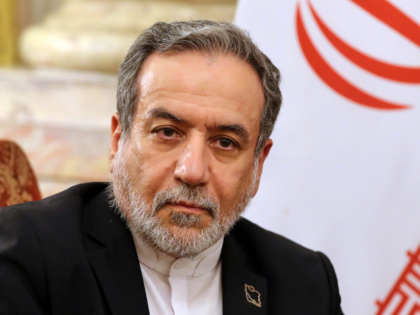
Iranian Parliament Speaker Mohammad Baqer Qalibaf and Foreign Minister Abbas Araghchi are in Doha, Qatar, as of Monday for negotiations with neighboring states in the service of finalizing a peace agreement with the United States.
Published May 25, 2026
DOHA, Qatar — Iran has sent senior negotiators to Qatar as diplomatic efforts intensify over a possible agreement with the United States, but Tehran is warning that Washington’s latest conditions are “excessive” and could derail fragile progress.
According to Iranian state-linked reporting cited by Breitbart, Iranian Parliament Speaker Mohammad Baqer Qalibaf and Foreign Minister Abbas Araghchi traveled to Doha amid high-stakes talks involving U.S., Qatari, and regional intermediaries. The negotiations are reportedly tied to broader discussions involving sanctions relief, Iran’s nuclear program, and security in the Strait of Hormuz.
Iranian President Masoud Pezeshkian struck a defiant tone before domestic officials Monday, insisting Tehran “will under no circumstances submit to pressures and excessive demands,” even while signaling that negotiations remain ongoing.
The diplomatic push comes after weeks of escalating tension in the Middle East and mounting pressure on global energy markets. Investors reacted positively Monday to signs that a framework agreement could be taking shape, with oil prices dropping sharply on expectations that shipping through the Strait of Hormuz may stabilize.
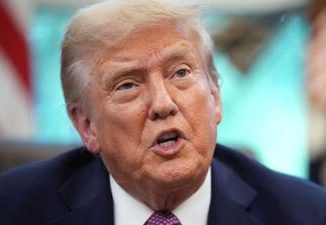
President Donald Trump has publicly defended the emerging negotiations, arguing that any agreement under his administration would differ dramatically from the Obama-era nuclear accord. Trump said Iran would receive no meaningful concessions unless it abandons any pathway toward nuclear weapons and relinquishes enriched uranium stockpiles.
Regional mediators — particularly Qatar and Pakistan — are now playing an increasingly central role in attempting to bridge the divide between Tehran and Washington. Reports indicate negotiators are discussing a temporary extension of ceasefire arrangements, reopening key shipping lanes, and phased sanctions relief tied to Iranian compliance.
Still, major obstacles remain.
Iranian officials have reportedly objected to U.S. demands involving uranium transfers, ballistic missile restrictions, and limitations on Tehran’s regional influence. Some Iranian-linked proposals have also included calls for reparations and guarantees against future military action.
Meanwhile, Gulf Arab states remain wary of Iranian proposals that could increase Tehran’s leverage over maritime traffic through the Strait of Hormuz, one of the world’s most strategically important oil corridors.
Whether the Doha talks produce a breakthrough or another diplomatic stalemate may determine not only the future of U.S.-Iran relations, but also the stability of global energy markets and the broader Middle East security landscape.
🧩 Reading Between the Lines:
This story is not just about diplomats flying to Qatar.
It touches five bigger issues ordinary readers should watch:
1. Who sets the rules — America or Iran?
The core fight is simple: the U.S. wants tougher limits on Iran’s nuclear activity and regional influence. Iran says Washington’s demands are too much. The real question is whether negotiations produce stronger guardrails — or whether Iran gains relief while keeping major leverage.
2. Why Qatar matters.
Qatar is becoming the “go-between” because it talks to both Washington and Tehran. When enemies won’t sit down directly, countries like Qatar step in as message carriers, hosts, and pressure valves.
3. Oil, shipping, and your wallet.
This is not only foreign policy. The Strait of Hormuz is one of the world’s key energy routes. If tensions cool, oil markets calm down. If talks collapse, energy prices and global shipping costs can jump fast.
4. Nuclear concerns aren’t off the table.
One of the biggest sticking points remains Iran’s uranium stockpile, missiles, sanctions, and support for armed groups in the region. That is why these talks carry consequences far beyond one ceasefire negotiation.
5. Bigger regional reshuffling.
Behind the scenes, Middle Eastern powers are trying to prevent another major war while also protecting trade, energy exports, and political influence. Qatar’s role suggests the region is increasingly relying on local power brokers — not just Washington — to shape outcomes.
🔗 The Stakes:
A bad deal could reshape the Middle East for years.
At the center of these negotiations is one question:
Does Iran give up enough to reduce the threat — or does it buy time while keeping leverage?
That matters because Iran is not just another country in negotiations. Tehran influences shipping lanes, oil markets, armed groups across the region, and nuclear development. If the talks fail, the risk of military escalation rises fast. If the talks succeed without strict enforcement, critics fear Iran could emerge stronger economically while keeping much of its regional influence.
Energy prices are also on the line.
A major portion of the world’s oil supply passes through the Strait of Hormuz. Even rumors of conflict there can move fuel prices worldwide. That affects shipping costs, inflation, and everyday consumer prices far beyond the Middle East.
America’s credibility is part of the equation.
U.S. negotiators are trying to show allies that Washington can still enforce red lines against nuclear expansion and regional aggression. Supporters of a tougher approach argue that weak enforcement in past agreements encouraged adversaries to push boundaries rather than pull back.
Israel and Gulf states are watching closely.
Countries in the region worry that any agreement giving Iran sanctions relief without meaningful restrictions could shift the balance of power. Gulf nations may publicly support diplomacy, but many remain deeply cautious about Tehran’s long-term ambitions.
And politically, this becomes a test of leadership.
If the negotiations stabilize the region without major concessions, the White House can claim a strategic win. But if Iran gains breathing room while tensions continue, critics will argue the deal simply delayed a larger conflict instead of preventing one.
🏁 The Final Word:
For now, the meetings in Qatar show that both Washington and Tehran still see value in talking instead of escalating toward direct conflict. But the real debate is not whether diplomacy should happen — it is whether the United States can secure an agreement strong enough to protect its interests and its allies without rewarding bad behavior. Oil markets, regional stability, nuclear concerns, and America’s credibility are all tied to what happens next. Supporters of a tougher approach argue that negotiations only work when backed by pressure and clear consequences, while critics warn that a weak agreement could leave the same threats unresolved a few years down the road. As talks continue in Doha, the stakes reach far beyond the Middle East — touching global energy prices, military security, and the balance of power in one of the world’s most volatile regions.
SOURCES: BREITBART – Iran Sends Negotiators to Qatar, Complaining That U.S. Demands Are ‘Excessive’
FINANCIAL TIMES – Iran’s top negotiators travel to Qatar amid intensified efforts to secure deal