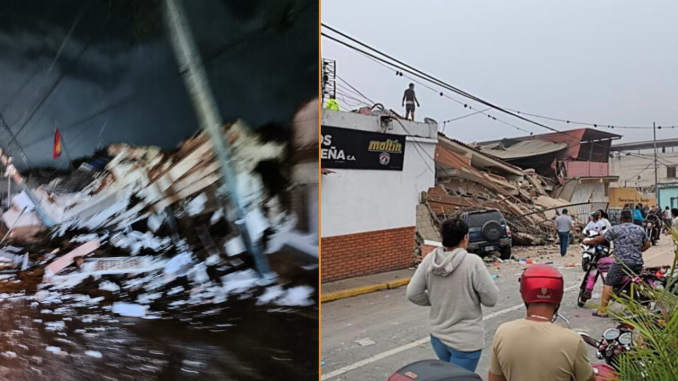
Photos shared by Venezuelans on the ground show buildings destroyed throughout La Guaira, one of the areas hardest hit by the earthquake.
Published June 28, 2026
Survivors of the catastrophic earthquakes that struck Venezuela are delivering a stark and emotional account of the aftermath — saying they were effectively forced to rescue victims with their bare hands as help failed to arrive in time.
The powerful twin quakes, which struck within seconds of each other, left widespread devastation across multiple regions, flattening homes and trapping thousands beneath rubble. As the death toll continues to rise, so too does outrage over what many describe as a delayed and insufficient government response.
“We had no choice,” one survivor said. “People were screaming under the debris, and there was no equipment, no rescue teams. We used our hands.”
Across the hardest-hit areas, residents reportedly began digging through collapsed buildings almost immediately after the tremors stopped — often without tools, machinery, or official coordination. Families, neighbors, and volunteers worked side by side, clawing through concrete in desperate attempts to reach loved ones.
Witnesses describe chaotic scenes in the crucial first hours: injured victims left untreated, roads blocked, and emergency services either overwhelmed or absent. For many, the lack of immediate response turned a natural disaster into a deeper human tragedy.
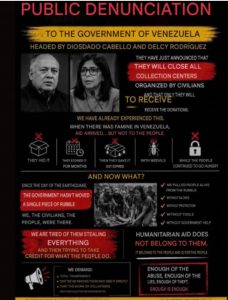
Critics say the situation underscores long-standing concerns about infrastructure and disaster preparedness in the country. Questions are now being raised about whether authorities were equipped to respond — and why aid did not reach some communities sooner.
Officials have since pointed to logistical challenges and the scale of destruction, noting that international rescue teams are now assisting in search-and-rescue operations. But for those on the ground, the explanation offers little comfort.
“You don’t think about waiting for help,” another resident said. “You dig. Even if it’s with your hands. Because if you don’t, they die.”
Buildings were destroyed throughout La Guaira, one of the areas hardest hit by the earthquake.
As rescue efforts continue, stories like these are fueling anger and grief — and intensifying scrutiny over how the crisis was handled in its earliest, most critical moments.
For many survivors, one reality stands out above all: when disaster struck, they say they were left to fend for themselves.
🧩 Reading Between the Lines:
More Than a Natural Disaster
Human Crisis Deepened by Response Failures
The devastating earthquakes that struck Venezuela are increasingly being viewed as more than just a natural disaster. Survivor accounts describing how they were forced to rescue victims with their bare hands suggest a deeper crisis — one shaped not only by the force of the quake, but by the apparent breakdown or delay of immediate emergency response systems.
Desperation in the Critical First Hours
‘We Had No Choice but to Dig’
In the immediate aftermath, survivors across heavily affected areas reported being left without equipment or organized rescue teams. With loved ones trapped beneath collapsed buildings, residents say they took matters into their own hands — literally.
Eyewitness accounts describe families, neighbors, and volunteers clawing through concrete and debris without tools, racing against time to save those buried alive. These moments — often within the crucial first 24 to 72 hours — are widely considered the difference between life and death in disaster scenarios.
Questions Over Government Preparedness
Why Were Survivors Left to Act Alone?
The widespread reports of civilians conducting rescue operations themselves are likely to raise serious questions about disaster preparedness and response speed. In a crisis of this magnitude, rapid deployment of trained responders and heavy equipment is critical.
The absence — or delay — of such resources in key areas may fuel scrutiny over whether existing emergency systems were adequately equipped to respond to a large-scale seismic event.
Infrastructure and Capacity Under Strain
Overwhelmed Systems or Structural Weakness?
Authorities have pointed to the scale of destruction and logistical challenges as contributing factors. However, the need for civilians to rely on bare hands suggests that response capacity may have been quickly overwhelmed — or insufficient from the outset.
Collapsed roads, damaged communication networks, and strained medical facilities further complicated rescue efforts, potentially slowing coordinated action when it was needed most.
Public Frustration and Growing Anger
Survivor Accounts Intensify Criticism
As more stories emerge, frustration among survivors appears to be growing. Being forced to dig through rubble without proper tools has become a defining image of the disaster’s early hours, symbolizing both human resilience and perceived institutional failure.
Such accounts could intensify public criticism and place additional pressure on authorities to explain the gaps in the response.
A Test of Crisis Management Systems
Response Effectiveness Now Under Review
Major disasters often serve as real-world stress tests for national emergency systems. The events in Venezuela may prompt closer examination of coordination between local responders, national agencies, and international aid partners.
How quickly assistance was mobilized — and where delays occurred — will likely be central to any post-disaster assessment.
Broader Implications for Disaster Readiness
Lessons on Speed, Resources, and Coordination
The crisis highlights the importance of immediate, well-equipped response capabilities in densely populated areas. Without rapid intervention, even prepared communities may find themselves resorting to extreme measures — including digging with bare hands — to save lives.
Future policy changes could focus on improving rapid deployment systems, pre-positioning equipment, and strengthening coordination frameworks.
The Bigger Picture
When Survival Depends on Civilians
Ultimately, the accounts emerging from Venezuela point to a stark reality: when disaster struck, many survivors say they were left to rely on themselves. Their stories — of desperation, rapid action, and digging with their bare hands — may shape both national reflection and international discussion on disaster response standards for years to come.
🔗 The Stakes: Why This Story Matters
The Venezuela earthquake is significant not only because of the scale of destruction and loss of life, but because survivors report they were forced to rescue victims with their bare hands in the critical early hours. These accounts raise broader questions about disaster preparedness, emergency response speed, infrastructure resilience, and public confidence in the government’s ability to respond to large-scale crises.
Public Safety Comes First
Lives Depended on Immediate Action
The immediate concern was the safety of those trapped beneath collapsed buildings, injured المواطنين, and vulnerable communities. In many cases, survivors say rescue depended not on trained responders, but on civilians digging through rubble without tools — a desperate effort to save lives before time ran out.
Emergency Response Faces Scrutiny
Why Were Survivors Forced to Act Alone?
Reports that residents had to rely on their bare hands to rescue victims are likely to intensify scrutiny of emergency response systems. Questions may arise over how quickly aid was deployed, whether sufficient resources were available, and why some areas appeared to lack immediate assistance during the most critical window.
Infrastructure and Capacity Challenges
A System Overwhelmed by the Scale of Disaster
The destruction of roads, communication systems, and buildings may have slowed rescue operations. However, the need for civilians to step in highlights potential gaps in preparedness or response capacity, especially in densely populated المناطق where rapid deployment is essential.
Public Frustration and Trust at Risk
Survivor Accounts Could Shape Public Perception
Stories of people being forced to dig with their bare hands are powerful and may influence how the public perceives the overall response. Such accounts can intensify frustration, raise expectations for accountability, and place pressure on authorities to explain delays or shortcomings.
Pressure on Crisis Management Systems
A Real-World Test of Disaster Response
Major natural disasters test coordination between emergency services, government agencies, and international responders. The effectiveness — or perceived shortcomings — of the response in Venezuela may be closely examined as a measure of crisis management capability.
Potential Policy Changes May Emerge
Improving Speed, Resources, and Coordination
In the aftermath, authorities may consider strengthening disaster preparedness by improving rapid response systems, increasing access to heavy rescue equipment, and enhancing coordination at both local and national levels to prevent similar situations in the future.
The Bigger Picture
When Survival Falls to Civilians
Ultimately, the situation highlights a stark reality: when disaster struck, many survivors say they were left to rely on themselves. Being forced to dig through rubble with bare hands underscores both human resilience and the critical importance of fast, effective emergency response systems in saving lives.
🏁 The Final Word:
The Final Word:
A Defining Image of Crisis and Accountability
In the end, the most enduring image of the Venezuela earthquake may not be the destroyed buildings or the scale of destruction, but the sight of ordinary people digging through rubble with their bare hands, racing against time to save lives.
For survivors, this was not a choice — it was a necessity. And for observers, it raises difficult but unavoidable questions about preparedness, response, and responsibility. Natural disasters cannot be prevented, but their human toll can be shaped by how quickly and effectively help arrives.
As the country begins the long process of recovery, the stories emerging from the earliest hours of the disaster will likely remain at the center of public memory. They serve as both a testament to human resilience and a stark reminder of what can happen when systems meant to protect and respond fall short in the moments they are needed most.
SOURCES: THE GATEWAY PUNDIT – EXCLUSIVE: Venezuela Earthquake Survivors Say They Were Forced to Rescue Victims With Their BARE HANDS After Government Failed Them
FORBES – Venezuela Earthquakes: Neighbors Did What The State Could Not