Reported by:

Cherry Meigh Timbol
News Content Editor
Published September 20, 2026
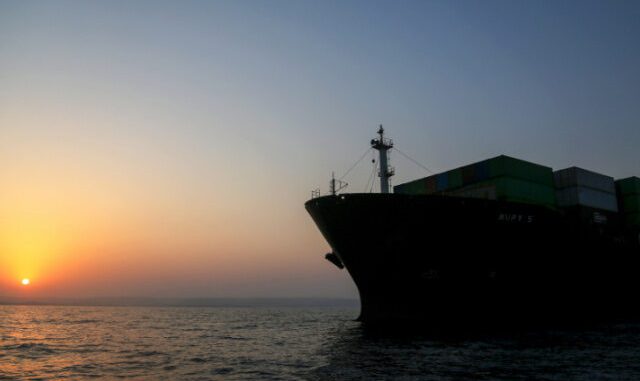
More than 1 billion barrels of crude oil have moved through the Strait of Hormuz in recent months with support from U.S. forces, while Iran has exported no crude through the waterway during the same period, according to U.S. Central Command (CENTCOM).
Adm. Brad Cooper, commander of CENTCOM, announced the milestone in a video update on September 19, saying U.S. forces had provided coordinated protection for more than 2,000 commercial ship transits through the strategic waterway.
Cooper described the policy restricting Iranian maritime exports as an “ironclad blockade,” saying that more than 1 billion barrels had been shipped from Gulf partners while Iran had exported “zero barrels.” The figures are U.S. military claims and have been disputed by Iranian officials.
Hormuz Traffic Reaches Six-Month High
The announcement comes as commercial traffic through the Strait of Hormuz shows signs of increasing.
Cooper said the volume of crude oil, cargo and liquefied natural gas moving through the waterway during the two weeks preceding his statement was higher than at any point during the previous six months. He also said primary transit lanes had been cleared of mines.
The United States has been working with the Gulf Cooperation Council states, insurers and shipping companies to increase commercial traffic through the strait while providing military protection, according to CENTCOM.
The Strait of Hormuz is one of the world’s most important energy corridors, making the restoration of tanker traffic significant for global oil markets.
Iran Disputes the U.S. Account
Iran has rejected CENTCOM’s description of the situation.
Iranian armed forces spokesman Brig. Gen. Abolfazl Shekarchi called the U.S. figures false and described the announcement as a psychological operation, according to reporting on the dispute. Iranian officials have maintained that Tehran retains control and influence over the strategic waterway.
That leaves an important distinction between U.S. military reporting and independently verified Iranian export data. The billion-barrel transit figure and the claim of zero Iranian exports were presented by CENTCOM; they should therefore be understood primarily as U.S. operational claims.
Why the Oil Flow Matters
The development could have consequences well beyond the immediate military confrontation.
For Gulf producers, keeping Hormuz open provides a crucial route for getting crude to international markets. For consumers, sustained shipping could help reduce the risk of an even larger supply disruption.
However, global energy markets remain under pressure. Reuters reported this week that crude prices had moved toward $110 per barrel amid attacks on oil tankers and continuing disruption connected to the conflict. Shell and Equinor executives have also warned that traditional buffers against supply shocks are becoming less effective.
China, meanwhile, has been drawing on crude inventories as refinery processing has exceeded available imports and domestic production. Reuters reported that Chinese onshore inventories stood at about 1.23 billion barrels as of September 9, highlighting the scale of the country’s strategic reserves.
Regional Security Remains Fragile
The increased oil traffic does not mean the broader security situation has stabilized.
On September 19, Saudi Arabia reported intercepting a ballistic missile aimed at Riyadh. The Houthis, who are aligned with Iran, also claimed attacks against Saudi targets, although some of those claims were not independently verified.
At the same time, the United States says it is strengthening air defenses with regional partners and establishing a coalition drone unit as threats continue across the region.
🧩 Bottom Line:
The reported movement of more than 1 billion barrels of oil through the Strait of Hormuz signals that commercial shipping is continuing despite the conflict. However, CENTCOM’s claim that Iranian oil exports remain at zero is disputed by Iran, making the figures part of an ongoing information battle as well as a major development for global energy markets.
SOURCES: BREITBART NEWS – CENTCOM: 1 Billion Barrels Move Through Hormuz — ‘Ironclad Blockade’ Holds Iran to Zero