Reported by:

Cherry Meigh Timbol
News Content Editor
Published November 6, 2026
Renewed Raids and Displacement
Israeli forces forcibly displaced several Palestinian families from their homes in Hebron on Thursday, November 5, 2026, following their withdrawal from parts of the city earlier in the week.
According to the Palestinian news agency WAFA, Israeli troops raided the Abu Sneineh neighborhood in southern Hebron and entered a six-story residential building before ordering its residents to leave. The building was subsequently converted into a military outpost.
Kefah Abu Sneineh, one of the residents, told WAFA that approximately 50 people lived in the building, including women, children, elderly residents and people with medical conditions. He said the families were given less than five minutes to collect their belongings before being forced out.
A separate incident was reported in the Jaber neighborhood, where Israeli forces allegedly evicted Majed Jaber and his family of 10 from their home. The property was subsequently converted into a military barracks, according to WAFA.
Background of the Military Operation
The renewed raids followed an 11-day Israeli military operation that began on October 23 after an attack at a checkpoint near Hebron killed two Israeli soldiers and wounded three others. The two Palestinian assailants were also killed.
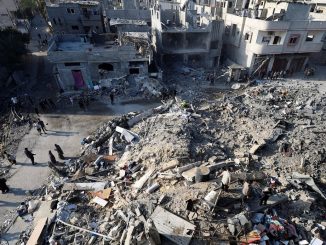
During the operation, Israeli forces conducted house searches, imposed movement restrictions and detained residents. Thousands of Palestinians were displaced from their homes.
Israeli forces withdrew from several neighborhoods on November 2, allowing residents to begin returning. However, many families reportedly found their properties damaged or demolished.
The Hebron Municipality reported that the operation resulted in the demolition of 15 homes and other facilities, while hundreds of businesses were forced to close.
Continuing Tensions in Hebron
The latest incidents occurred ahead of the expected arrival of thousands of Israeli settlers in Hebron for the Jewish religious observance of Chayei Sarah.
Hebron remains one of the most sensitive locations in the occupied West Bank. Israeli settlements exist within and around the city, alongside a much larger Palestinian population. Movement restrictions, military operations and disputes over access to residential areas have contributed to recurring tensions.
The renewed military presence could further complicate conditions for Palestinian residents, particularly families who had only recently returned following the previous operation.