Published May 13, 2026
🧭 Headline Brief
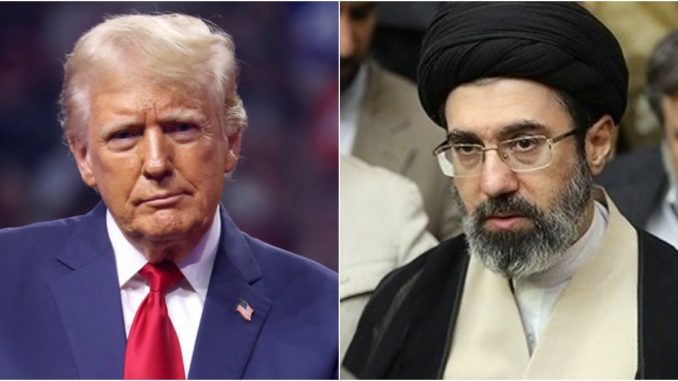
U.S. President Donald Trump said the ceasefire agreement with Iran is “on life support” after Washington rejected Tehran’s latest diplomatic proposal, sharply escalating uncertainty over the fragile truce. According to the reported statements, the Iranian side submitted an updated proposal intended to preserve the ceasefire framework and restart broader negotiations, but U.S. officials dismissed it as inadequate and inconsistent with core American conditions, particularly around nuclear program limits, verification mechanisms, and security assurances. Trump publicly criticized the proposal, describing it as unacceptable and arguing that it failed to address key U.S. concerns in a meaningful way. The rejection effectively halted momentum in ongoing backchannel talks that had been attempting to stabilize the situation after previous rounds of tension. With both sides holding firm positions and no agreed pathway forward, the ceasefire is now being described by U.S. leadership as severely weakened, with its continuation dependent on whether further diplomatic engagement can be revived.
Trump wrote on Truth Social on Sunday,
I have just read the response from Iran’s so-called “Representatives.” I don’t like it — TOTALLY UNACCEPTABLE! Thank you for your attention to this matter. President DONALD J. TRUMP
🧩 Context Signal
The statement comes in the middle of a fragile and still-unfinished diplomatic process between the United States and Iran, where both sides have been attempting—through direct and indirect channels—to prevent further escalation after earlier periods of heightened tension. The ceasefire was never a fully comprehensive peace agreement; rather, it functioned more as a limited pause in hostilities tied to ongoing negotiations over nuclear restrictions, sanctions relief, and regional security concerns.
At the core of the dispute is a long-standing disagreement over Iran’s nuclear program. Washington has pushed for stricter verification and deeper limits on enrichment activities, while Tehran has consistently demanded relief from economic sanctions and guarantees against future unilateral withdrawal from any agreement. These competing priorities have repeatedly stalled progress, even when temporary diplomatic openings emerged.
Trump’s remarks reflect a breakdown in confidence rather than an immediate collapse of the ceasefire itself. In practice, such agreements often remain in place even when negotiations sour, but they become increasingly unstable when public rhetoric hardens and trust between negotiating parties weakens.
WATCH:
Reporter: For the time being, the ceasefire remains in place?
Trump: It’s unbelievably weak, I would say. I would call it the weakest right now after reading a piece of garbage they sent us. I didn’t even finish reading it. I said, I’m not going to waste my time reading it. I would say it’s one of the weakest right now; it’s on life support. They understand. These are all medical people, Doctor Oz, life support is not a good thing.
I would say the ceasefire is on massive life support, where the doctor walks in and says, “Sir, your loved one has approximately a 1% chance of living.”
🌍 Field Reality
On the ground, the ceasefire remains in effect but is increasingly viewed as unstable and uncertain. Military and security monitoring in the region continues at heightened levels, with both sides maintaining defensive readiness in case of renewed escalation. In maritime zones—particularly key shipping routes in the Gulf—commercial traffic continues but under tighter security advisories, reflecting persistent concern over possible disruptions.
Diplomatic missions and regional intermediaries are still active, but movement has slowed as negotiations stall following the rejection of Iran’s latest proposal. This has created a pause in formal talks, with communication shifting back to lower-level or indirect channels rather than high-level engagement.
For civilians in affected regions, the situation translates into continued uncertainty rather than immediate change: no full return to normal stability, but also no confirmed return to open conflict. Markets and regional governments are reacting cautiously, treating the ceasefire as technically intact but politically fragile, with outcomes now dependent on whether negotiations can be restarted or fully break down.
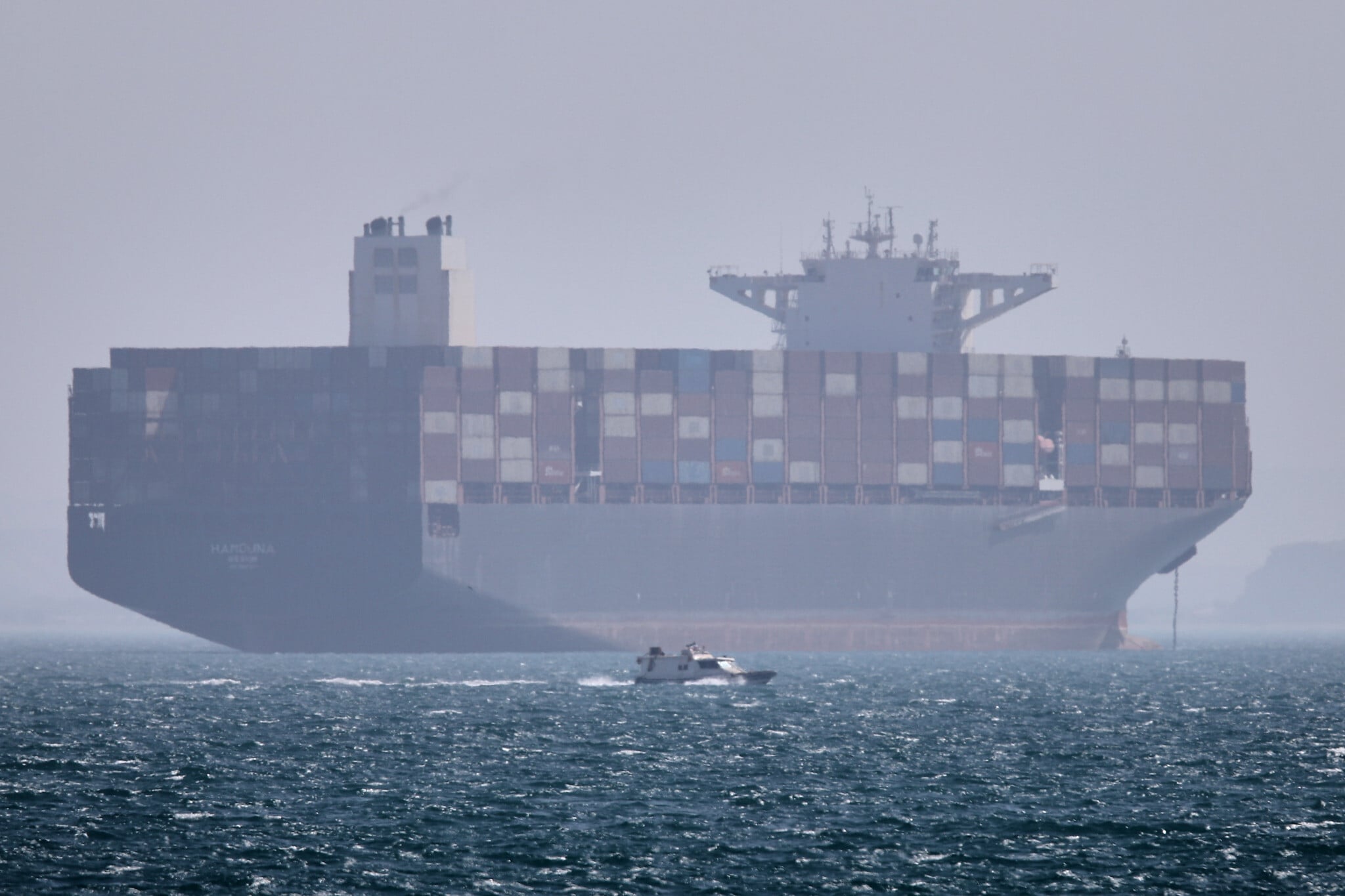
A container ship sits at anchor as a small motorboat passes in the foreground in the Strait of Hormuz off Bandar Abbas, Iran, May 2, 2026. (Amirhosein Khorgooi/ISNA via AP)
🔍 Global Lens
The breakdown in momentum around the ceasefire highlights how quickly already fragile U.S.–Iran negotiations can shift from tentative progress back to uncertainty. With both sides publicly rejecting key proposals, diplomatic space is narrowing, and the situation is becoming more sensitive to political messaging, security incidents, and regional developments.
- Higher risk of renewed escalation – Even without formal war, a weakened ceasefire increases the chance that isolated incidents—such as maritime confrontations, drone activity, or proxy clashes—could escalate faster due to reduced trust and slower communication channels between the two sides.
- Stalled diplomatic progress – The rejection of proposals signals that current negotiation frameworks are not producing acceptable compromise, which can freeze talks entirely or force them back into early-stage recalibration.
- Energy market sensitivity – Global oil markets often react immediately to uncertainty in U.S.–Iran relations, even before physical disruptions occur, because traders price in risk to supply routes and regional stability.
- Maritime security pressure – The Gulf region remains a critical global shipping corridor, and even perceived instability increases naval patrol activity, insurance premiums, and operational caution for commercial vessels.
- Weakened mediation leverage – Countries or organizations acting as intermediaries face reduced influence when both primary parties take firmer public positions, making backchannel diplomacy harder to sustain.
- Reduced flexibility in negotiations – Public statements hardening positions can limit political room for compromise, as leaders become more constrained by domestic expectations and strategic posturing.
📌 Closing Signal
The ceasefire situation between the United States and Iran remains in a precarious and unresolved state following the rejection of Tehran’s latest proposal and President Trump’s description of the agreement as “on life support.” While the ceasefire has not formally collapsed, diplomatic momentum has clearly stalled, with no immediate indication that either side is prepared to soften its position or return to active negotiation in the short term.
At present, the agreement exists more as a restrained pause in hostilities than a stable or enforceable settlement. Communication channels are still technically open, but engagement has shifted away from high-level discussions, and both Washington and Tehran appear to be reassessing their strategies rather than advancing toward compromise.
On the ground, this translates into continued vigilance rather than escalation—military and security forces remain alert, regional actors are monitoring developments closely, and economic and maritime systems are operating under the assumption that conditions could change quickly. However, there is no confirmed return to open conflict at this stage.
Overall, the current status is best described as fragile stability with declining diplomatic traction, where the ceasefire holds in form but faces increasing pressure from political disagreements and stalled negotiations.